
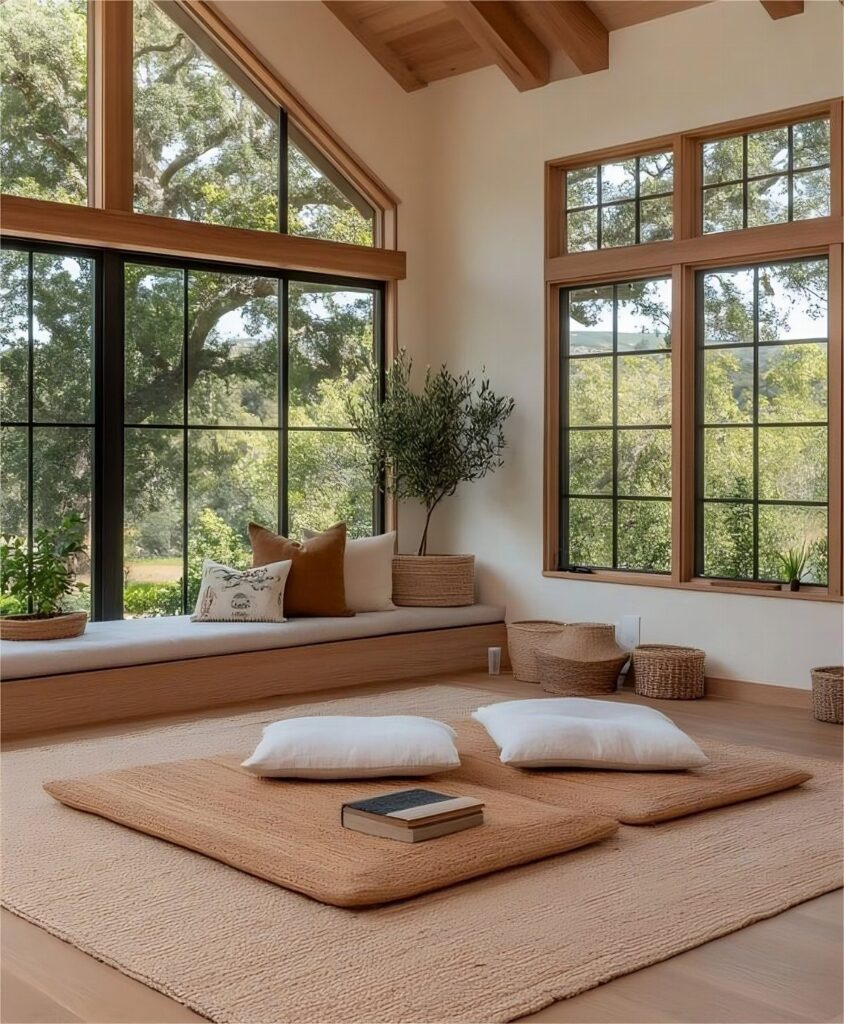
A living room without a couch opens up floor space, which matters most in apartments around 500 square feet where a sectional can dominate the layout.
The choice comes down to whether you need seating that moves or seating that stays put: floor cushions and armchairs rearrange quickly, while a built-in wooden platform or a window seat uses wall space you’d otherwise leave empty.
Seat height decides whether a platform reads as a bench or just a step.
1. Floor Cushions
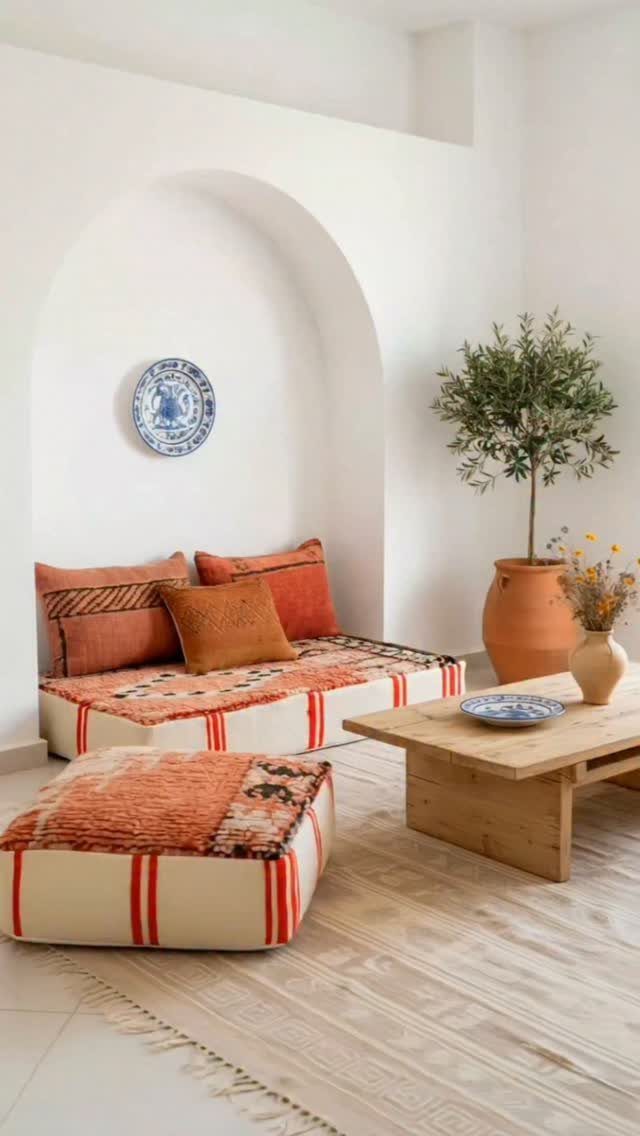
Floor cushions sit low and leave the room feeling open, which works when you want flexible seating without the bulk of a standard sofa.
The setup here uses large square cushions with a matching ottoman and a low coffee table, all kept in neutral tones so the space feels cohesive rather than scattered.
I like that you can rearrange the cushions or tuck them away completely when you need the floor clear.
Look for cushions large enough to serve as actual seats, not just accents. Thinner cushions work on carpet, but a thicker fill holds up better on hard floors.
2. Daybeds
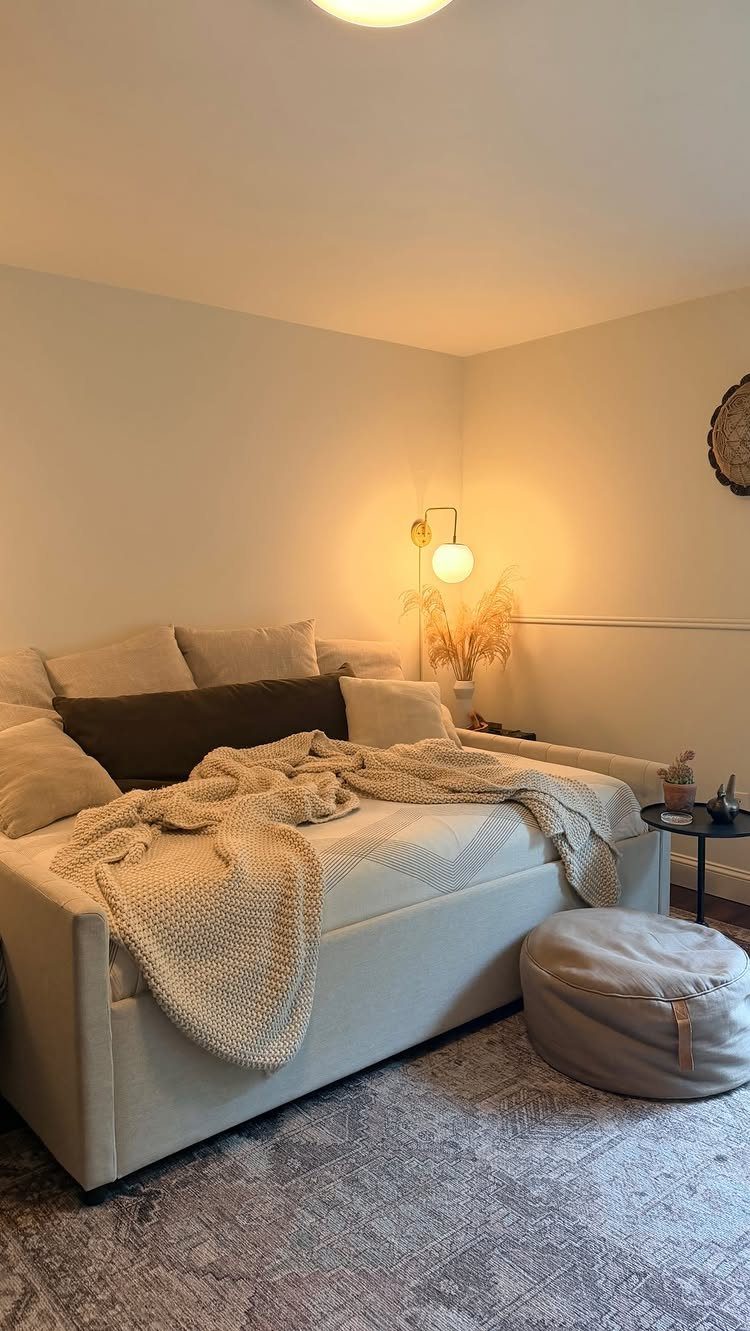
A daybed gives you a place to sit and a guest bed when you need one, which makes it practical in a small apartment or a room that has to do two jobs.
This one is styled with a knit throw and pillows along the back so it reads more like a sofa than a bed.
The frame matters here. A simple upholstered or wood frame in a neutral fabric keeps the daybed from looking too much like bedroom furniture.
Pair it with a low coffee table or a pouf instead of a traditional side table to keep the setup casual.
Douglas calls the daybed the perfect sofa alternative for entertainers. "It can create a room that’s not only great for napping, but for entertaining a larger group of friends or hosting overnight guests," he says.
3. Chaise Lounges
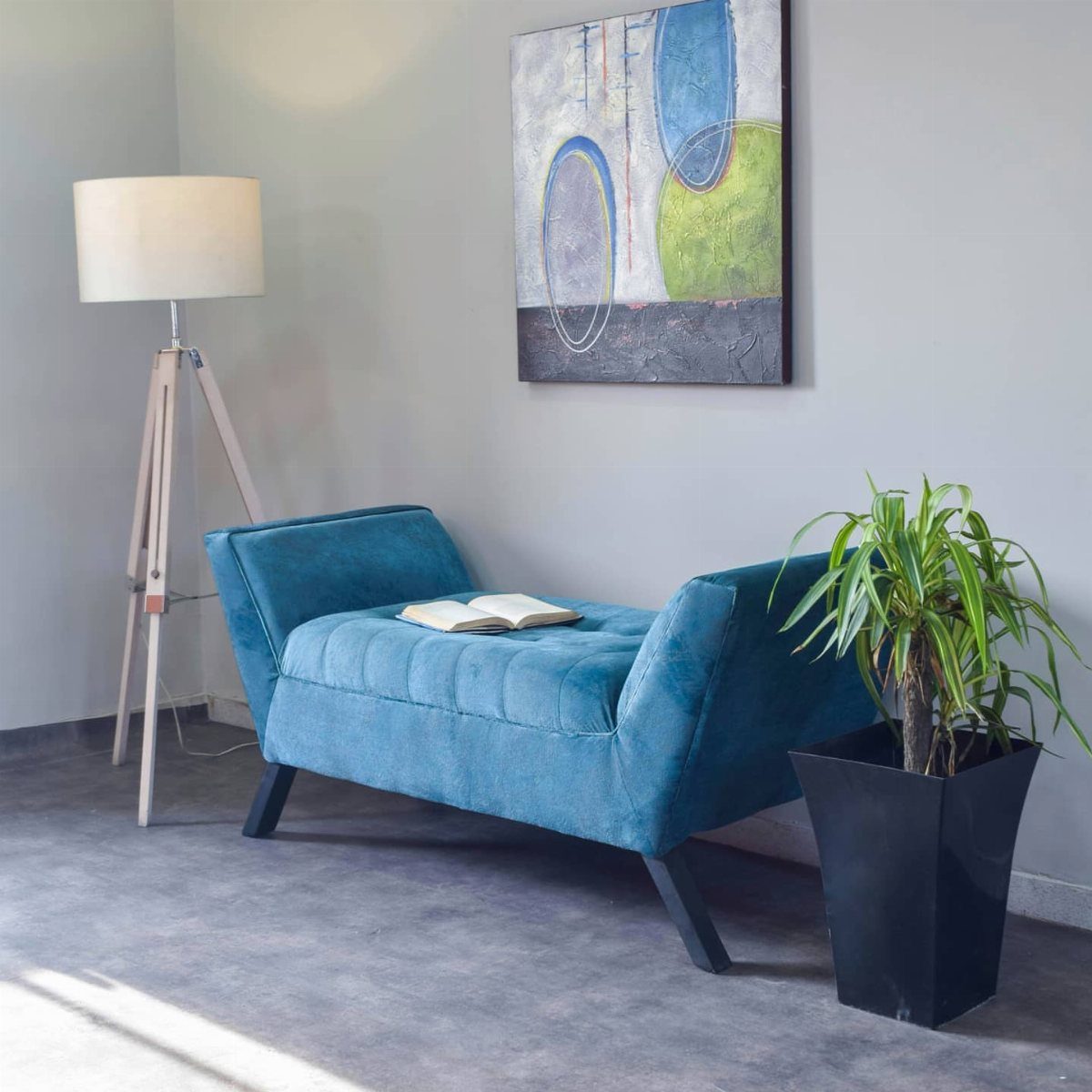
A chaise gives you full-length seating in a footprint that’s narrower than most sofas, which is useful in a small living room or a corner that won’t fit a sectional.
This blue velvet version sits against a grey wall with a floor lamp and abstract art, so the color stands out on its own.
Velvet holds up better than you’d expect if you choose a tight weave, and darker shades hide wear longer. If the chaise feels too formal, swap the velvet for linen or a textured cotton and skip the decorative pillows.
4. Window Seats
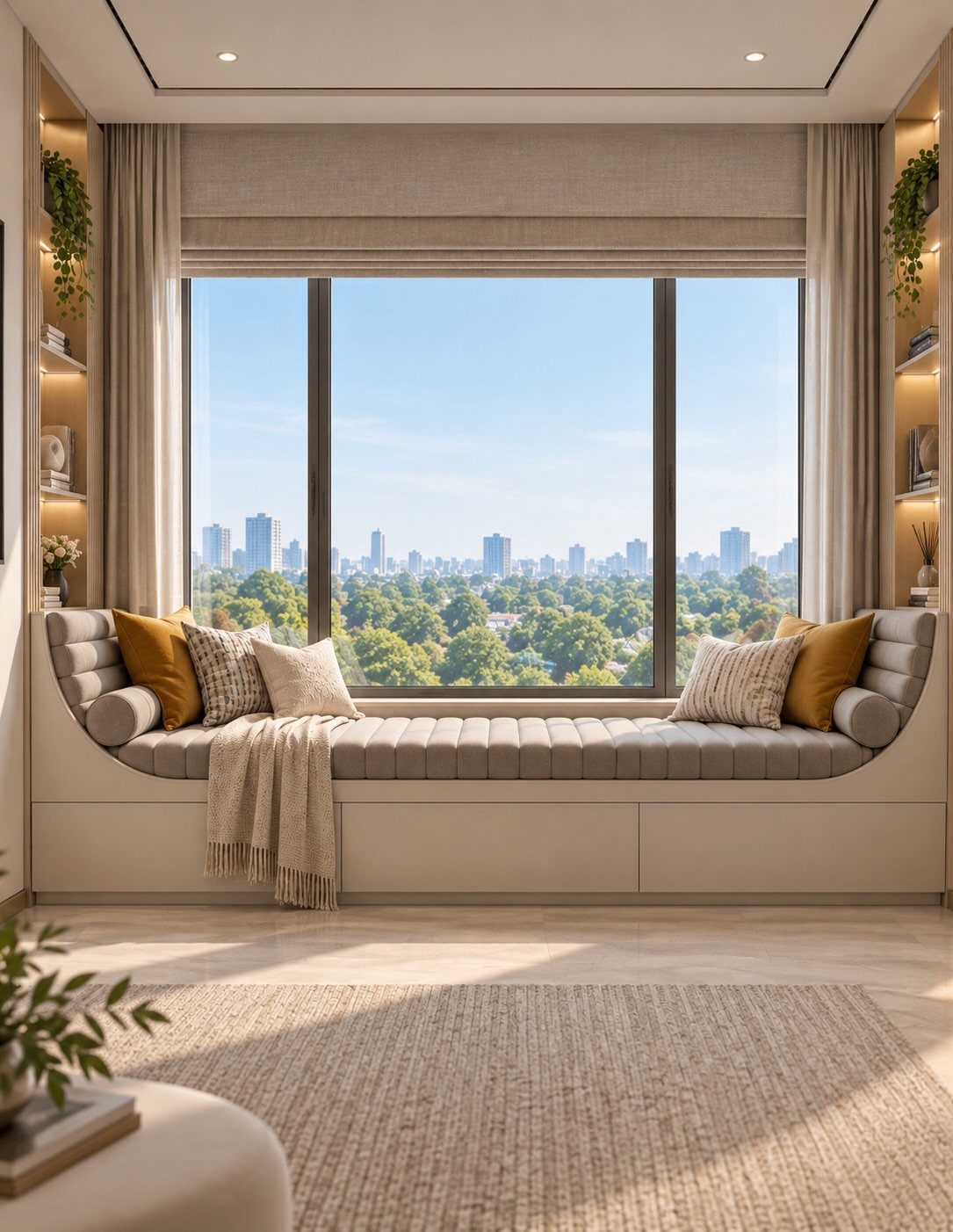
A window seat uses the width of the window as built-in seating, which adds function without eating up floor space in the middle of the room.
This one has a thick grey cushion, a few pillows, and a throw, with recessed shelves on either side for books or storage.
The cushion needs dense foam so it doesn’t flatten after a few months. Add an upholstered cushion instead of loose fabric for a cleaner look.
5. Accent Armchairs
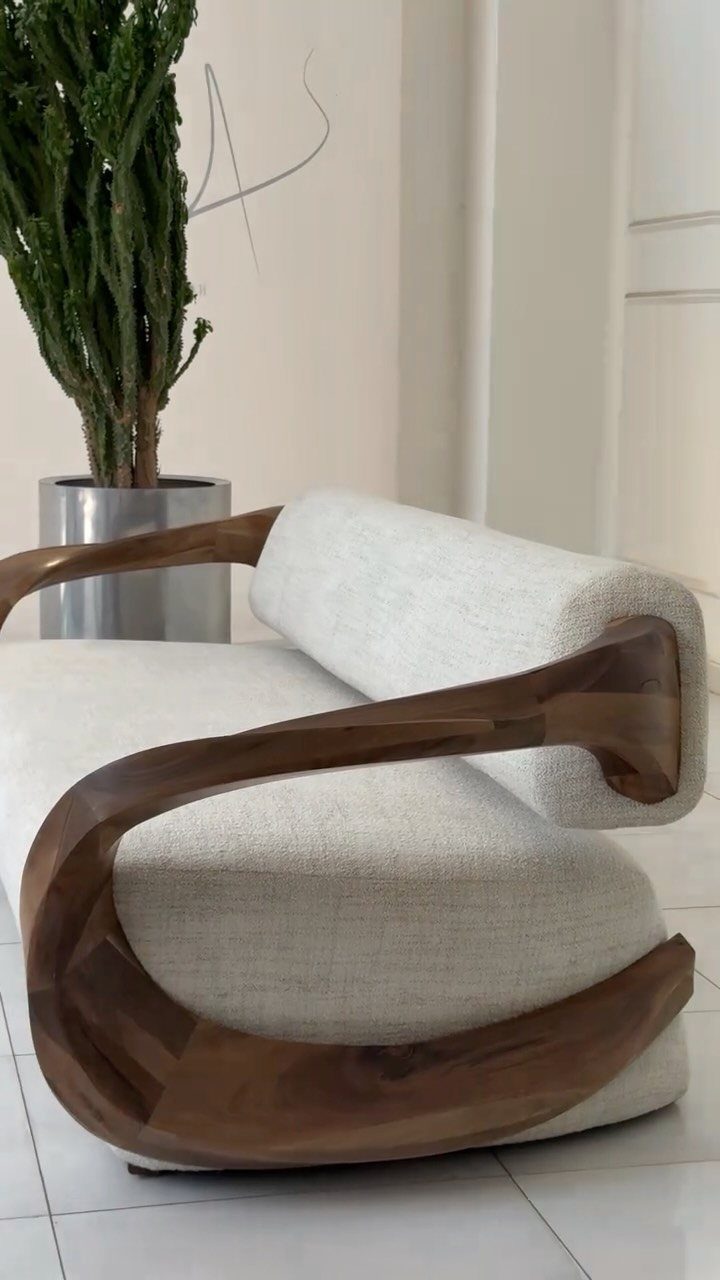
Accent armchairs give you individual seating that you can move around as needed, which is more flexible than a sofa locked into one spot.
The curved wood frame and white fabric here keep the chair light enough to work in a tight space yet visible.
2 armchairs across from each other work better for conversation than a single chair off to the side.
Match either the frame style or the fabric, not both, so the pairing feels deliberate. A neutral fabric lets you swap in different pillows or throws when you want a change.
6. Storage Ottoman Seating
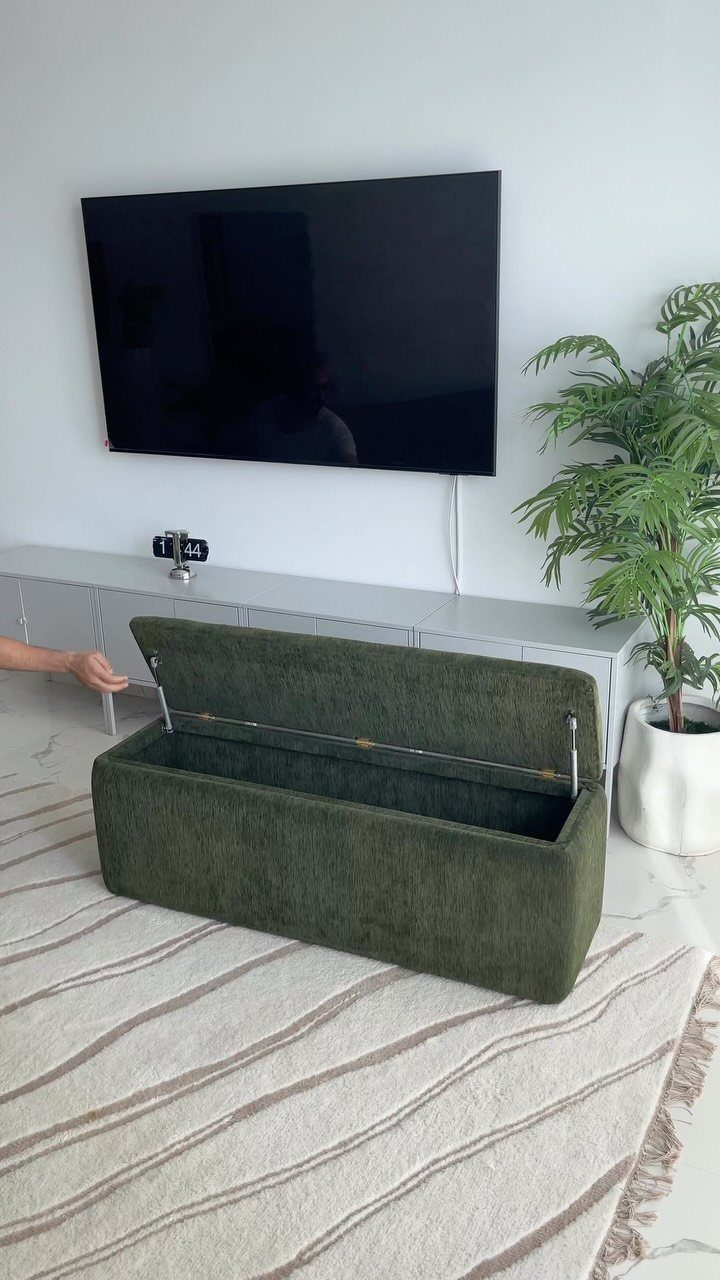
Storage ottomans give you a place to sit and a place to stash blankets, remotes, or whatever else you don’t want sitting out, which makes them practical in a small space.
This green upholstered version sits on a patterned rug and opens with a hinged lid, so you can get to the storage without moving the whole piece.
Look for one with a sturdy frame and a padded top to double as seating.
A hard top works better as a coffee table but won’t be comfortable to sit on for long. The lid should lift easily without tipping the ottoman backward.
7. Built-in Wooden Platform Seating
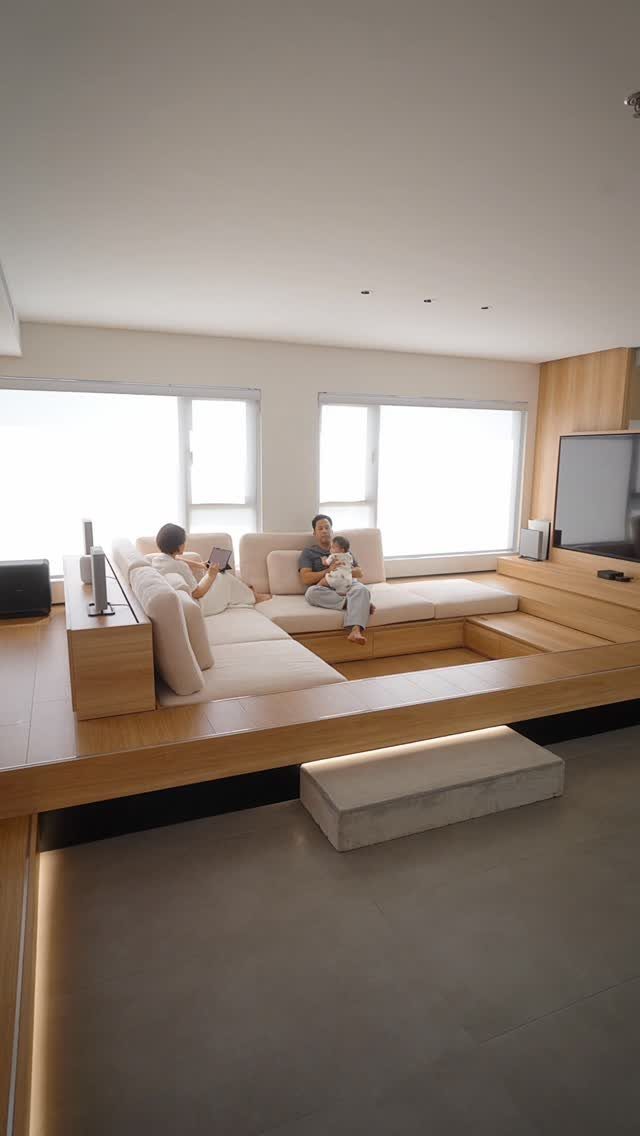
A built-in platform with cushions runs along the wall and turns unused floor space into fixed seating, which works when you’d rather add function than furniture.
The setup here uses a raised wooden base with white cushions, so it feels more like a lounge area than a bench.
The platform height matters. Too low and it reads as a step, too high and getting on feels awkward.
Standard seat height is what you’re after here. Use plywood for the frame and finish it with stain or paint that matches your trim.
Benefits of No Couch
A living room without a couch often feels more spacious, especially in a small apartment where a sectional can dominate the floor plan.
In spaces around 500 square feet, individual seating pieces leave more room to move and make the layout feel less crowded.
The setup also encourages conversation.
When people sit in chairs facing each other instead of in a row on a sofa, the arrangement naturally pulls everyone into the same exchange. That shift makes the space more social without adding furniture.
Flexibility is another gain. Individual pieces can be moved to suit different activities, whether you need seating pulled close for a group or spaced out for solo time.
That kind of adaptability is harder to achieve with a fixed sofa anchoring the middle of the room.
Creating a Cozy Atmosphere
Layering a large area rug under floor cushions or poufs adds comfort and defines the seating zone, which keeps a couch-free space from looking scattered.
The rug also softens hard floors, which matters more when seating sits lower to the ground.
Warm lighting helps. A floor lamp beside a chair or a table lamp on a low side table brings light down to where people actually sit, which makes the space feel more intimate than overhead lighting alone.
Personal touches like blankets, plants, and lanterns fill in the gaps a sofa might otherwise occupy. Mixing textures across cushions, throws, and rugs adds visual weight without bulk, so the room feels furnished and deliberate rather than sparse.
Flexibility in Arrangements
Single chairs and modular pieces can be rearranged quickly to suit different activities, which gives you more control over how the room functions.
Pull seating close for a game night, spread it out for solo reading, or clear the floor entirely when you need the space open.
Smaller furniture also lets you introduce more variety in color, pattern, and style than a single large sofa allows.
Instead of committing to one upholstery choice across the whole room, you can mix frames, fabrics, and finishes that work together without matching exactly.
Modular seating takes this further. Individual modules can serve as standalone seats or be pushed together to form a larger arrangement, which works well in spaces where needs shift regularly or where the room has to serve multiple purposes.
Frequently Asked Questions
Can you have a living room without a sofa?
Yes, a living room works fine without a sofa when you use alternatives like floor cushions, daybeds, armchairs, or benches.
These pieces often make a small space feel more open and give you flexibility to rearrange seating as needed. The right mix of individual pieces can furnish the room completely without the bulk of a traditional couch.
Do you need a couch in a living room?
No, a couch isn’t required to make a living room functional or comfortable.
Individual seating pieces like armchairs, floor cushions, or a daybed can handle everything a sofa does while leaving more room to move and giving you more control over the layout.
The space often feels less crowded and more adaptable without a large couch anchoring the middle of the floor.






