
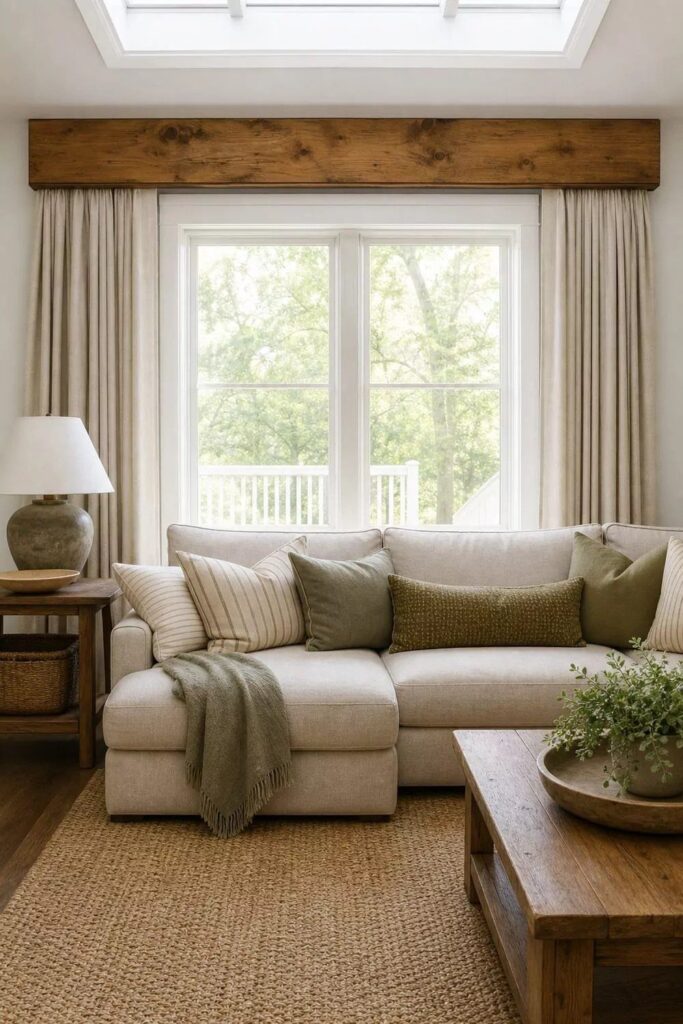
Some valances are flat panels with tailored pleats, others are gathered fabric that uses twice the window width, and your choice depends on how much pattern the room already carries and whether you need the valance to add more.
Pleated styles in solid linen or cotton work when texture elsewhere does the talking, while striped or patterned fabric ties the window into chairs or pillows below.
Most of these sit over blinds or shades that control the light, so the valance adds style at the top without blocking a radiator or covering wall space you’d rather leave open.
1. Fewer Frills, More Pleats
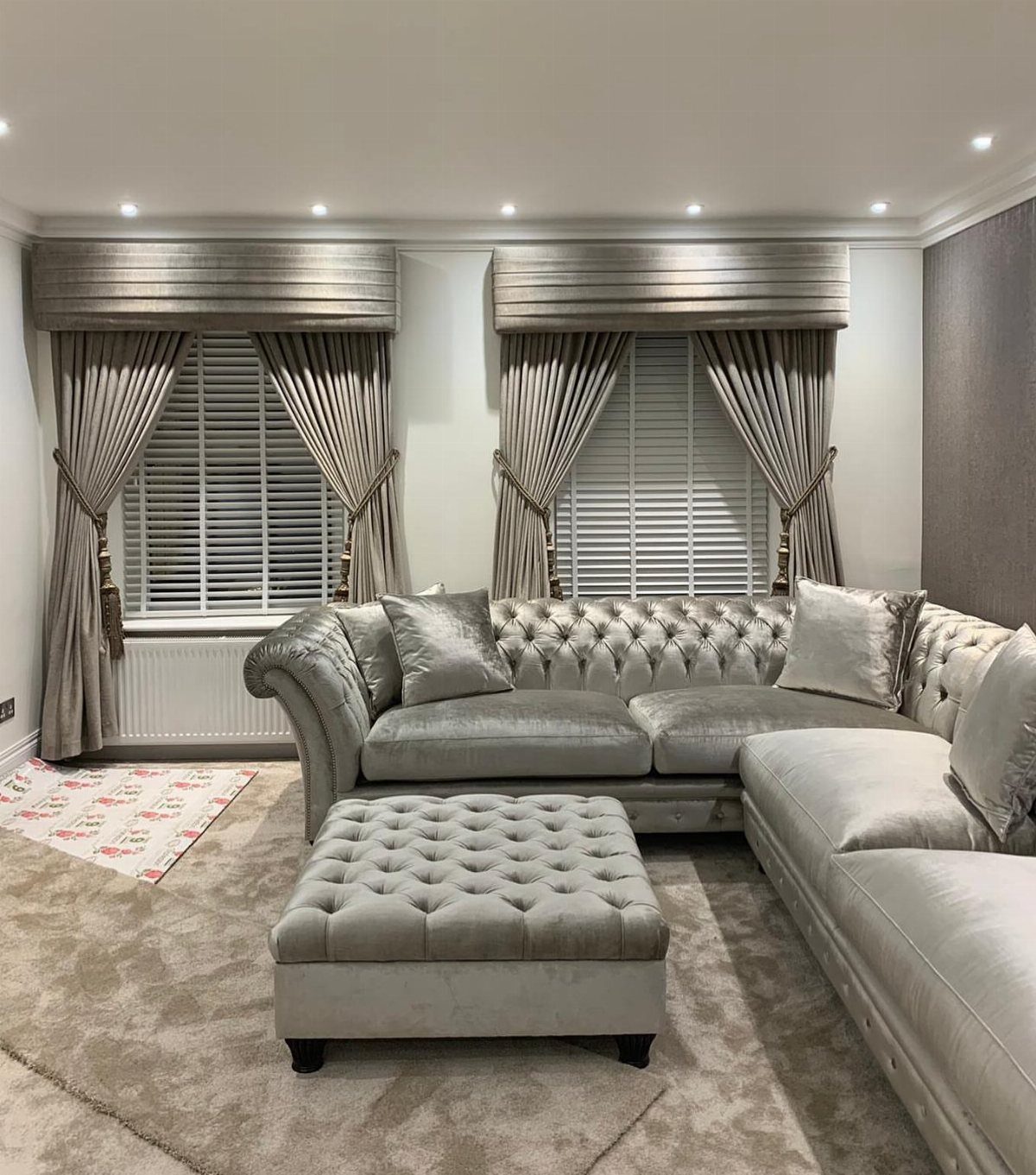
Pleats in a solid fabric give you structure without busy detail. This approach works when you want the window dressed but the room already has texture or pattern to carry.
Heavier fabrics hold the pleats cleanly. Linen and cotton blends both work, and if you’re ordering them made, ask for box pleats or cartridge pleats instead of pinch pleats for a more tailored edge.
The solid color keeps the valance quiet enough to pair with patterned curtains underneath if you decide to layer later.
2. Roman Shade Valances
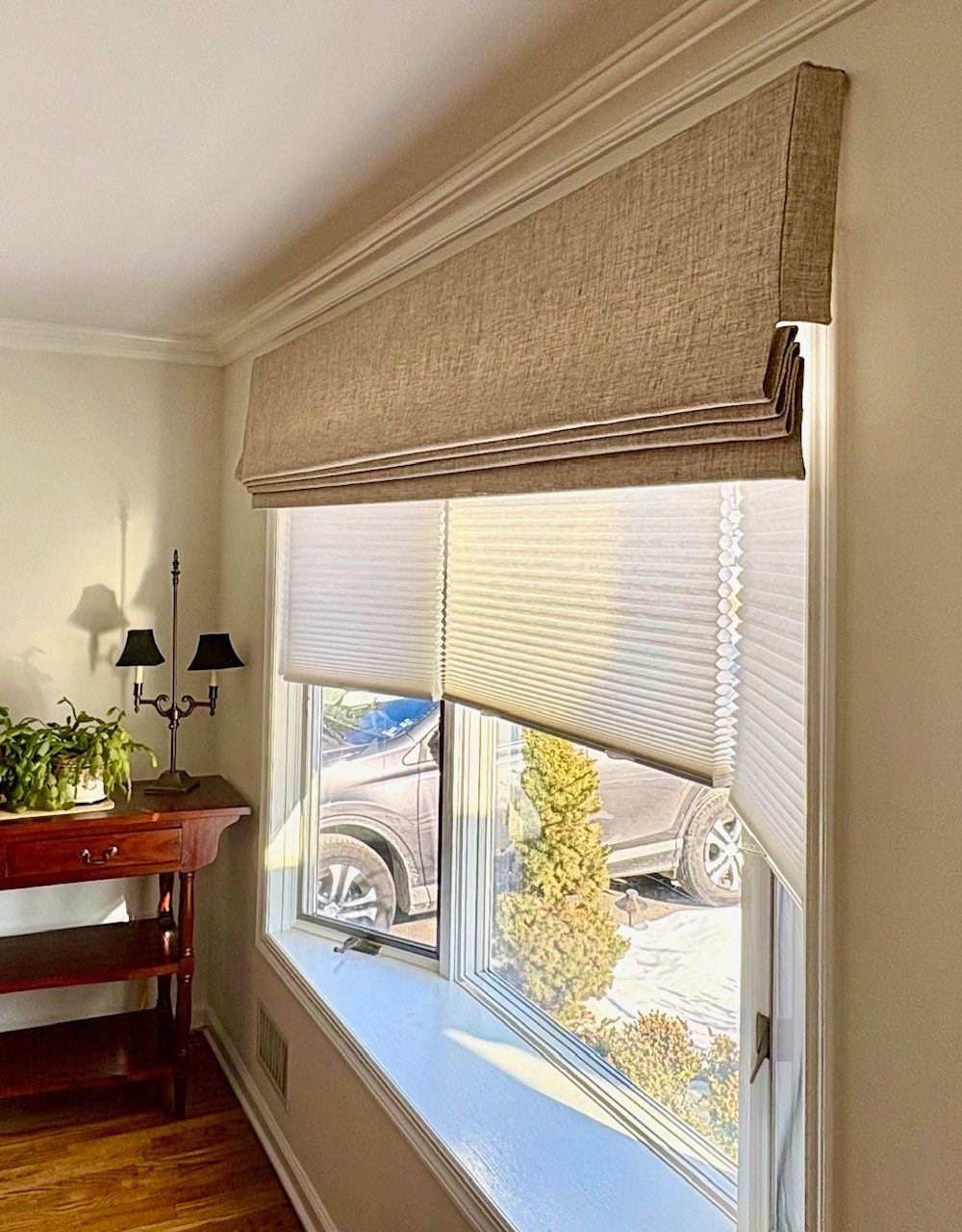
A Roman shade valance sits flat when it’s up and stacks in horizontal folds when you lower it. The texture here comes from the weave of the fabric, not from trim or pleats.
This option works well for coverage you can adjust.
Mount the shade inside the window frame for a clean look, or outside to cover the frame itself. The valance length should stop just above wherever your blinds or shades below it begin.
3. Valances with Fringe or Tassels
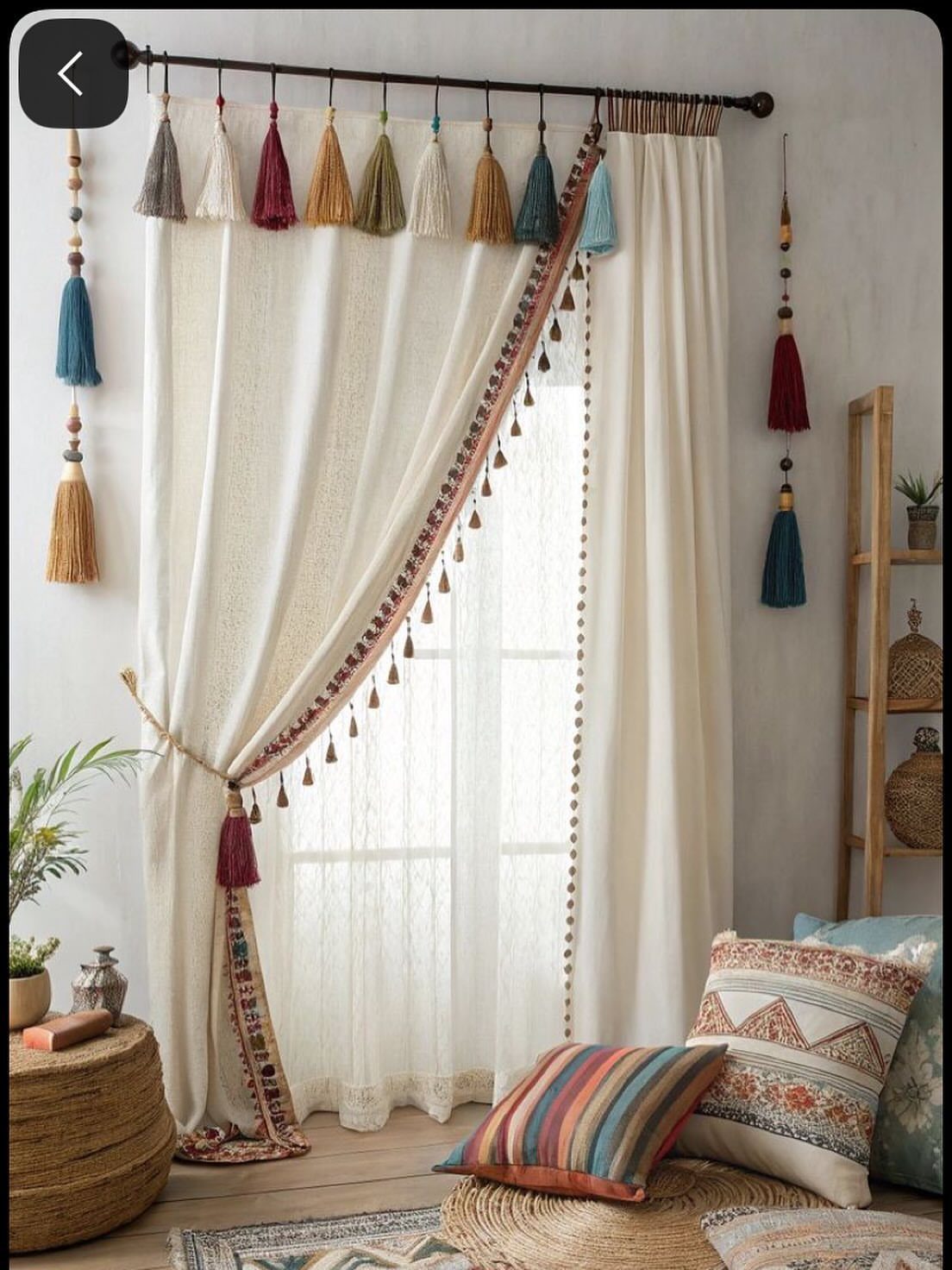
Tassels and fringe give you color and movement without adding a full patterned fabric. The trim hangs along the bottom edge, so you get detail where your eye lands first.
This works best in rooms that can take a little personality.
If your sofa and chairs are neutral, the trim adds the accent. If you already have color elsewhere, match the tassel color to something in the room so it feels connected.
You can add fringe to a plain valance yourself. Fabric stores sell tassel trim and fringe by the yard, and it stitches or glues on in an afternoon.
4. Scalloped Valances
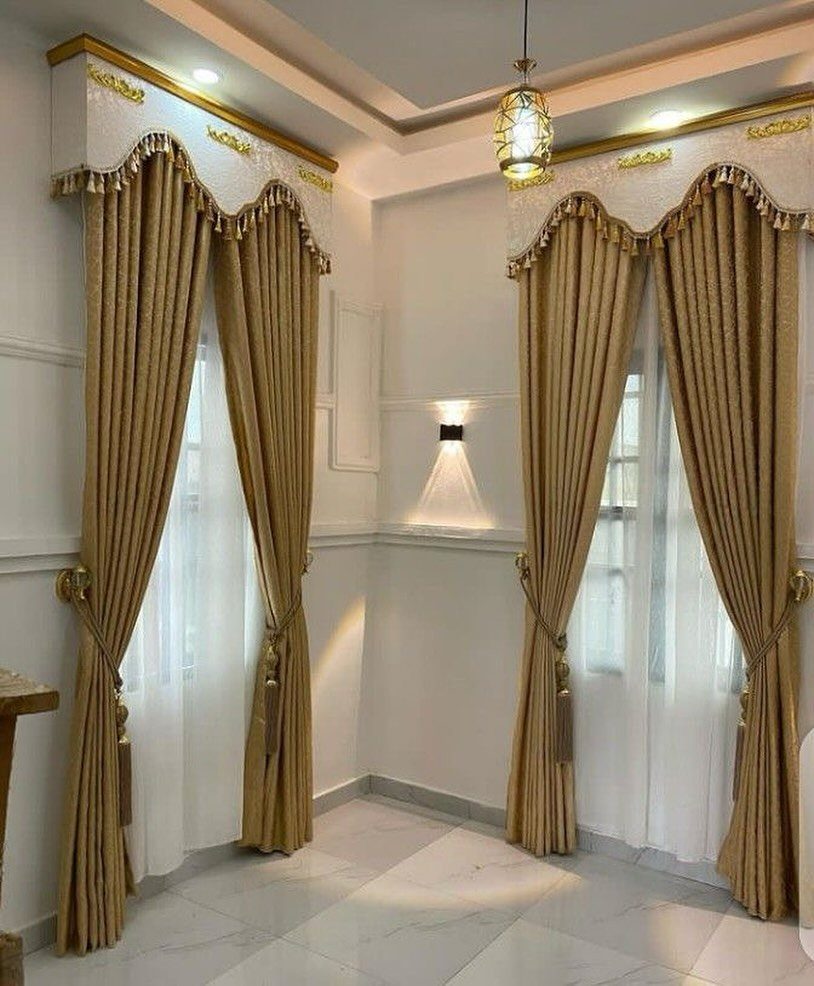
Scalloped edges soften the line where the valance ends. The curves repeat across the width, and you can size them to fit the window, tighter or wider depending on how much motion you want.
Gold or warm neutrals suit traditional rooms, but the shape itself works in other styles if you pick a different fabric. A scalloped valance in linen or grey cotton reads more modern than one in velvet or damask.
If you’re sewing it, cut the scallops with a template so they stay even. Finish the edge with binding or a narrow hem to keep the curves smooth.
5. Ruffled Valances
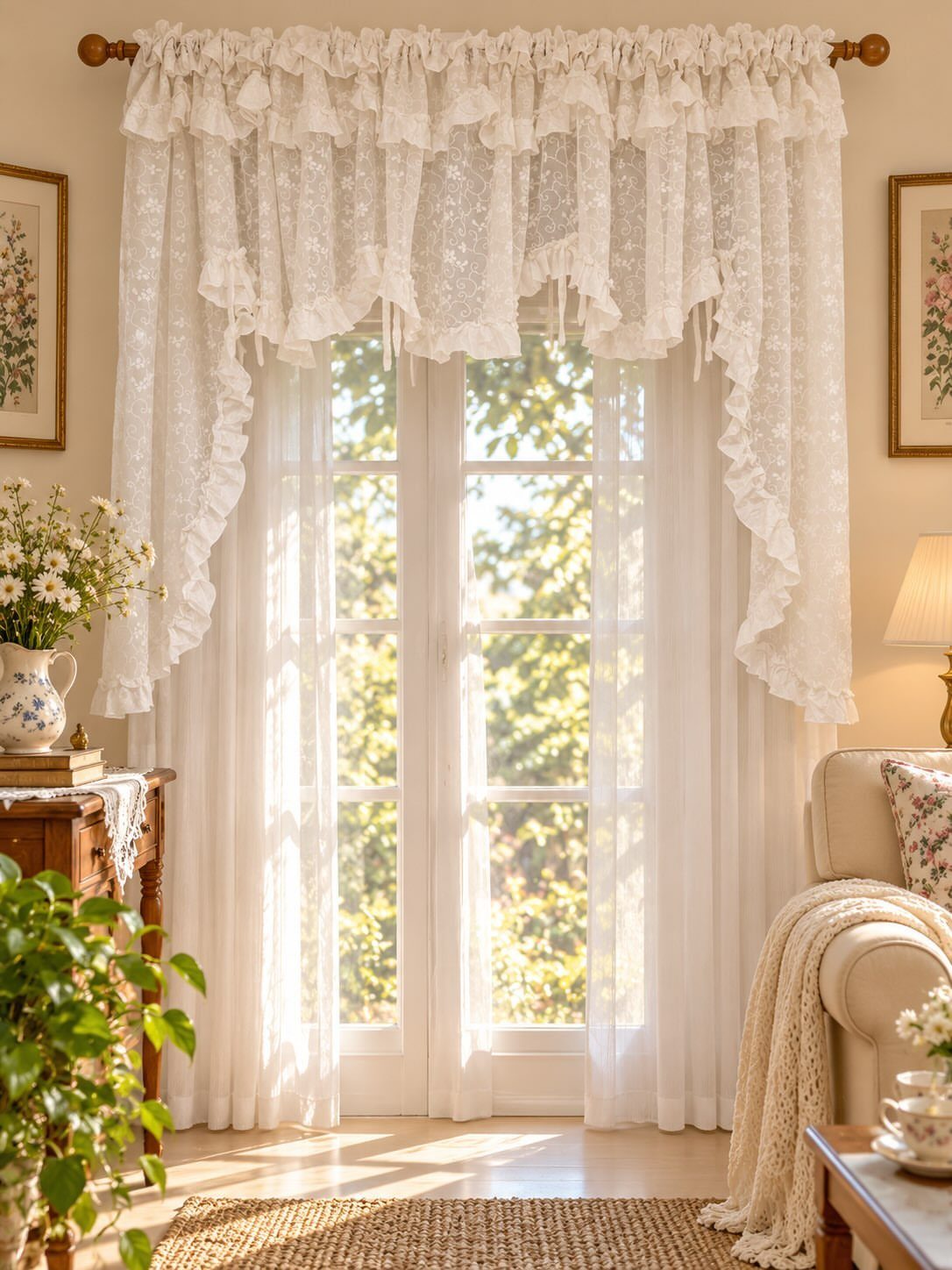
Ruffles add volume at the top of the window. The fabric gathers along the rod or mounting board, and the fullness softens the whole treatment.
White or cream lace works in a cottage or farmhouse room. For something less formal, skip the lace and use cotton or muslin, gathered the same way but without the pattern.
You’ll need at least twice the width of your window in fabric to get enough gather.
More fabric makes the ruffle fuller, less makes it flatter. Pin it first to see how much gather you like before you commit to the rod.
6. Tailored Valances Over Woven Wood Shades
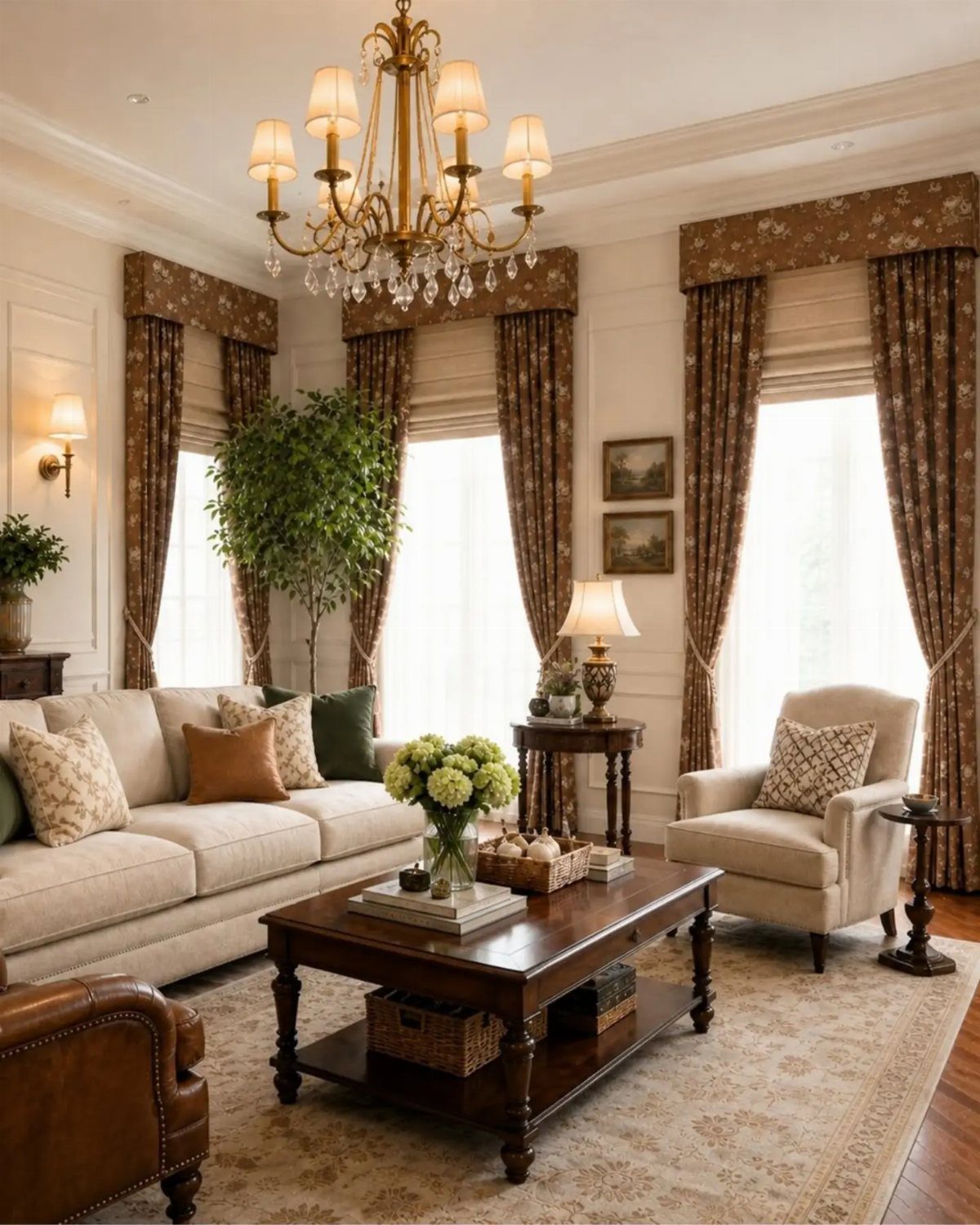
A tailored valance means flat panels or gentle pleats, nothing gathered or ruffled. This holds the structure and lets the texture of the woven shade come through.
The brown tones here tie into the wood furniture, and that connection makes the whole setup feel intentional instead of added on.
7. Flop-over Frill
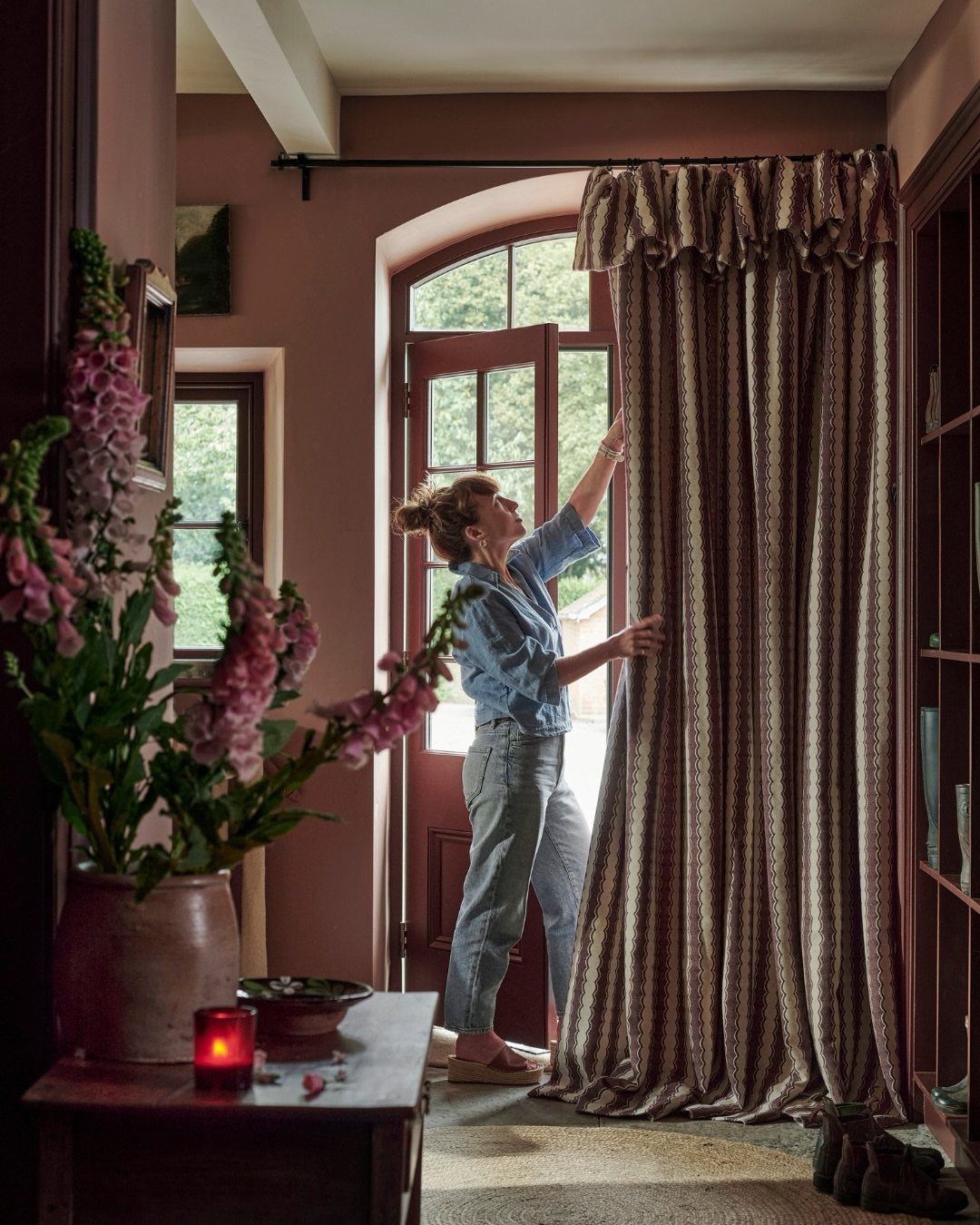
The fabric folds over the rod and hangs down, creating a soft frill without any gathering or pleating. The edge stays loose and casual.
This suits a room that leans traditional or farmhouse. The flop-over style works with patterned fabric like the stripes visible here, or with solid linen for a quieter look.
Hang the fabric so the fold sits deep enough to create the flop-over effect without blocking too much light. Too shallow and it looks stiff, too deep and it sags.
8. Striped Fabric Valance
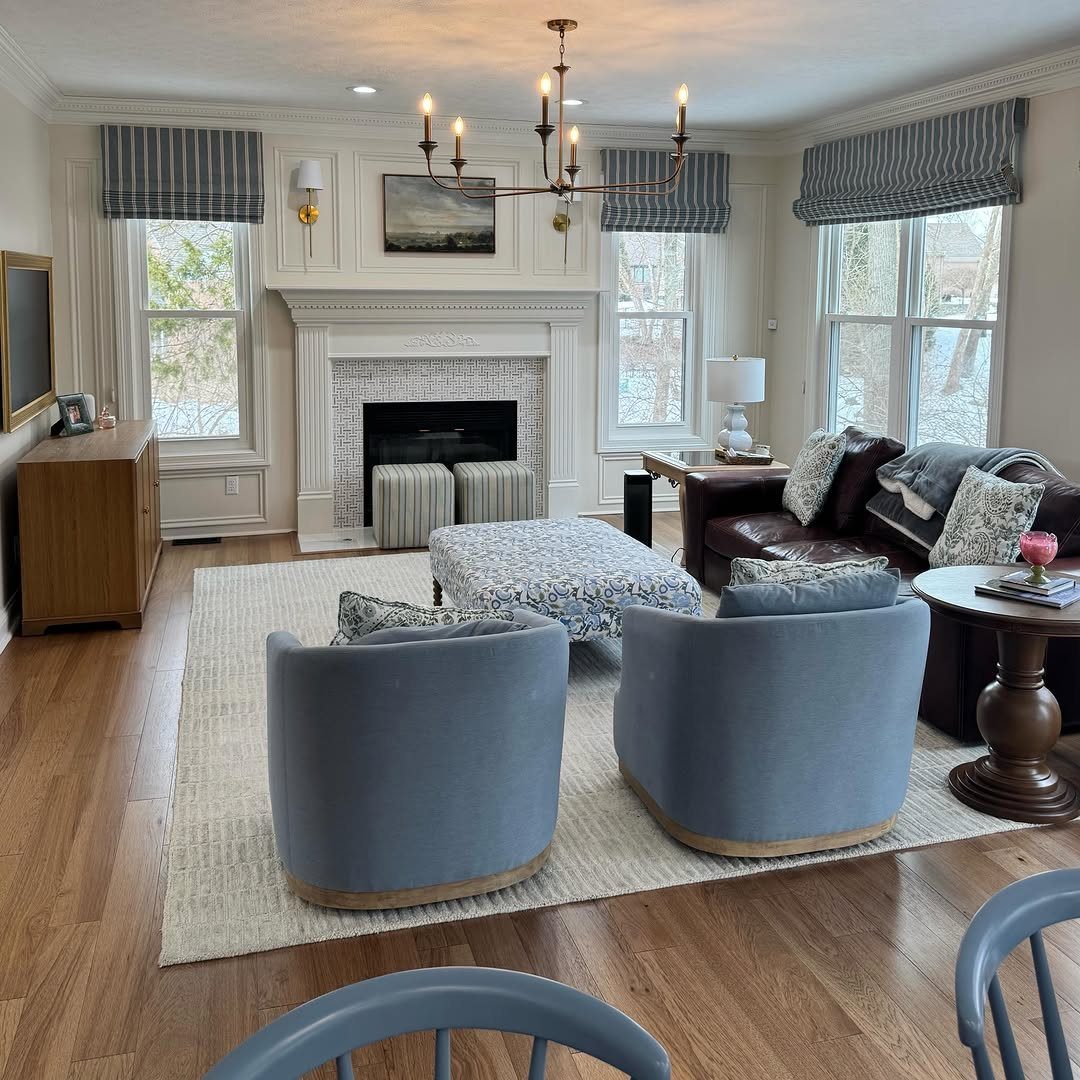
Stripes give you pattern without covering the whole valance in florals or busy prints. The lines repeat across the width, and the color ties into the chairs or pillows below.
Blue and white works in coastal or traditional rooms. For something warmer, brown and cream stripes read more neutral and pair with leather or wood furniture.
The stripes run horizontal here, which makes the window feel wider. Vertical stripes would do the opposite and pull your eye up.
9. Ceiling-mounted Valance Box
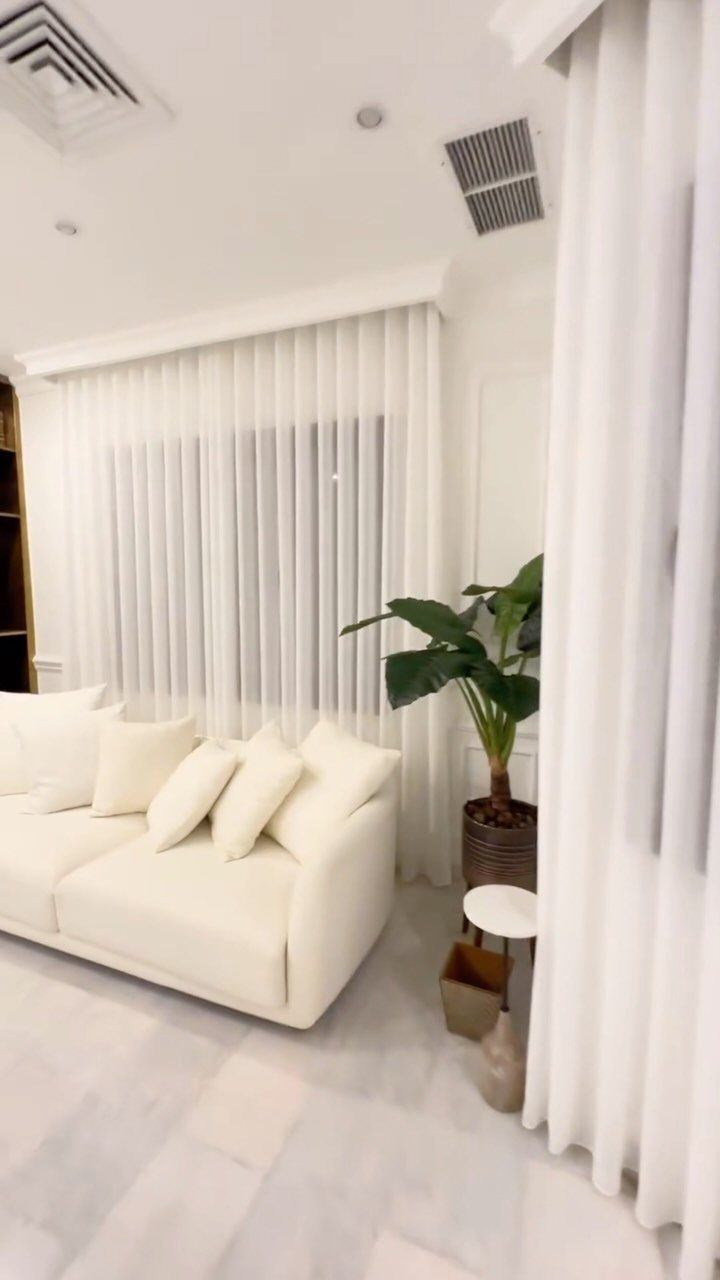
A ceiling-mounted box hides the rod and the hardware. The valance sits flush with the ceiling, and the curtains hang from inside the box where you can’t see the mechanism.
This gives you a clean line at the top of the window. White on white keeps it minimal, and the box itself can be shallow when your curtain track sits close to the wall.
Mount it with brackets into ceiling joists, not just drywall anchors. The weight of the fabric and the rod both sit on that box.
10. Patterned Fabric Valance
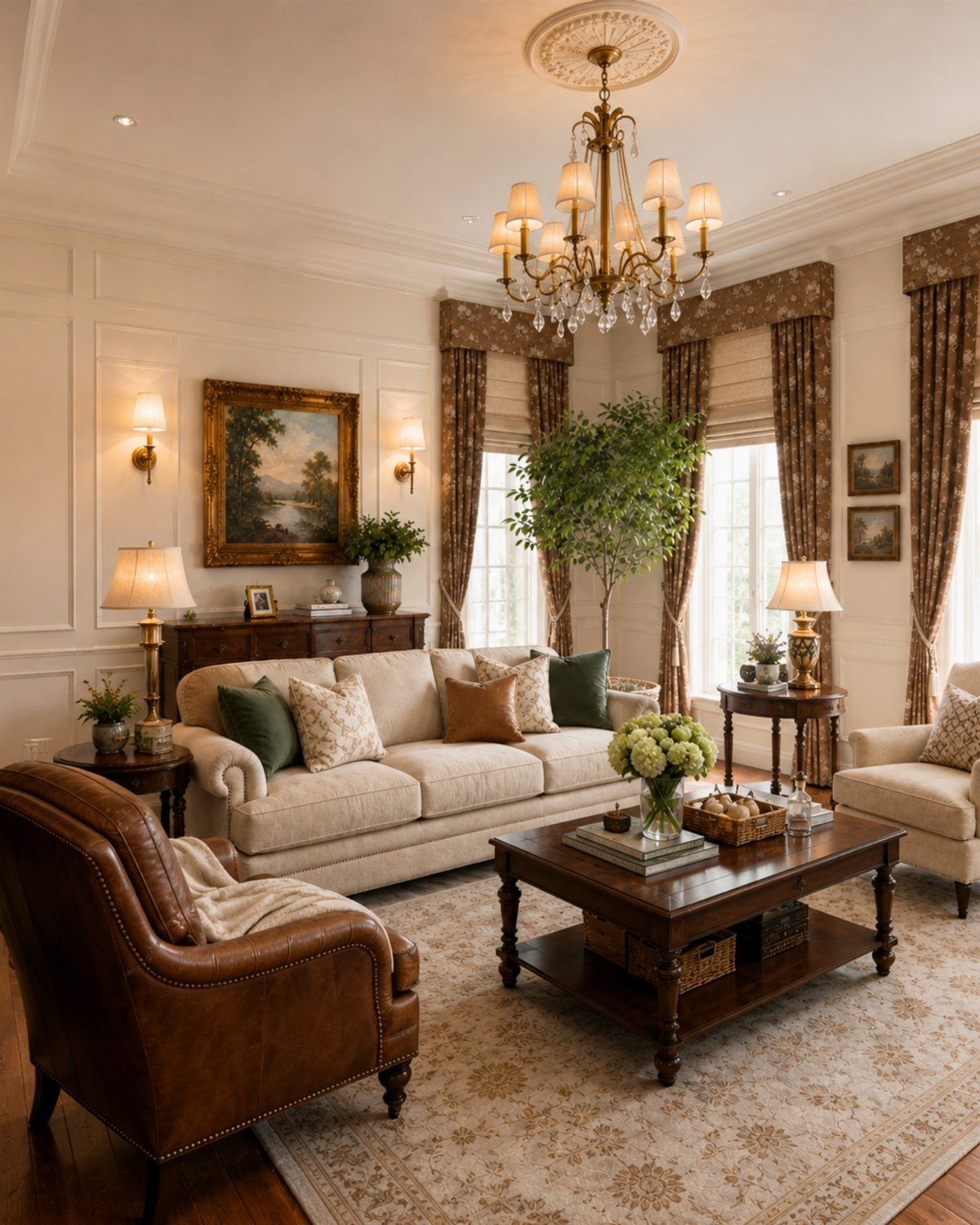
Matching the valance to the curtains below ties the whole treatment together. The pattern here carries across both layers, so the window reads as one piece instead of two separate decisions.
This works in formal rooms where the furniture and the walls are both neutral. The pattern becomes the accent, and because it’s at the window, it doesn’t compete with the sofa or the rug.
If you’re ordering fabric, buy enough for both the valance and the curtains at the same time so the dye lot matches.
11. Gathered Fabric Valance
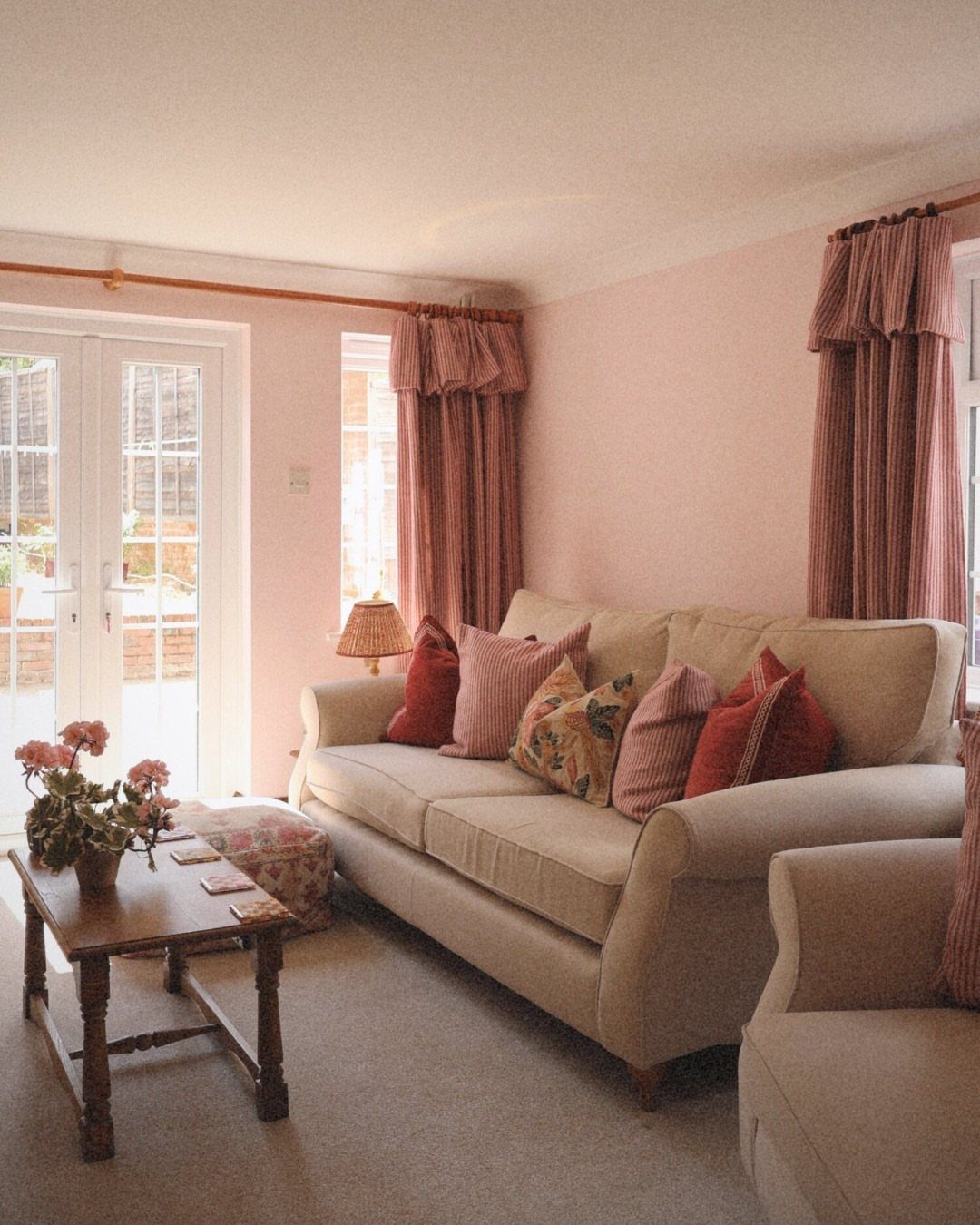
The pink here matches the wall and the curtains, which keeps the color consistent without adding contrast.
Buy fabric at least twice your window width so the gathers fill the span without pulling flat. Less than that and the gathers sit flat, more gives you deeper folds.
This style leans traditional. If your room has more modern furniture, a gathered valance in linen or grey cotton softens the look without pushing it too far into cottage territory.
Importance of Window Valances
Valances frame the window without dropping all the way to the floor, so they give you color and pattern at the top of the glass while leaving the rest of the wall open.
That makes them useful when you want the window to feel finished but full-length curtains would block a radiator, a piece of furniture, or just more wall than you want to cover.
They also layer over blinds or shades that handle the light control. The valance adds the style, the shade or blind does the work, and you’re not choosing between the two.
The fabric you pick can pull in a color from the sofa or rug, which makes the window feel like part of the plan instead of an afterthought.
The proportion of a valance is key, you do not want them so narrow that they look mean, neither too wide that they look heavy or block too much light.
Are Window Valances in Style?
Valances have been around long enough that some versions feel dated, but the idea itself is still current. The difference sits in how they’re made now.
Modern valances stick to clean lines and neutral tones instead of the heavy swags and layered trims that were common years ago.
Simpler shapes, geometric patterns, and natural fabrics all read as current, and because they don’t rely on a specific trend, they hold up longer.
If you’re trying to avoid the dated look, skip anything overly elaborate. A flat panel with tailored pleats or a subtle texture will fit into more rooms and age better than a treatment with too much going on.
The variety of styles and fabrics available now means you can find something that works with contemporary furniture without pushing the room into one specific era.
Where to Use Window Valances
Valances work in any room where you want to dress the window without the bulk of full curtains.
Kitchens suit them well, especially over a sink or counter where longer fabric would get in the way or pick up splashes. Stick to fabrics that clean easily if the window sits near the stove or sink.
In living rooms, valances finish off large windows and pair well with blinds or curtains underneath.
Bedrooms can take a softer valance, and layering it over blackout shades gives you privacy and light control without losing the decorative piece at the top.
Bathrooms often have small or high windows, and a valance adds style without crowding the space. Dining rooms lean more formal, and a valance frames the window in a way that suits the tone of the room.
Frequently Asked Questions
What is a window valance?
A valance is a short piece of fabric or wood that covers just the top few inches of a window.
It adds texture and color while covering the curtain rod or hardware. Valances can hang alone or layer over blinds, shades, or curtains for a finished look.
What’s the difference between a valance and a cornice?
A valance can be soft fabric hung from a rod or a short piece of wood mounted above the window, while a cornice is a hard frame covered in fabric or upholstery.
Both sit at the top of the window and hide hardware, but a cornice holds a flat, structured shape and a valance drapes or gathers.
How to build a wooden valance?
Attach a shallow wooden box or flat board above the window, then wrap it in fabric or leave it as is.
For a ceiling-mounted box, secure it into ceiling joists with brackets so it supports the weight of the rod and fabric.






