
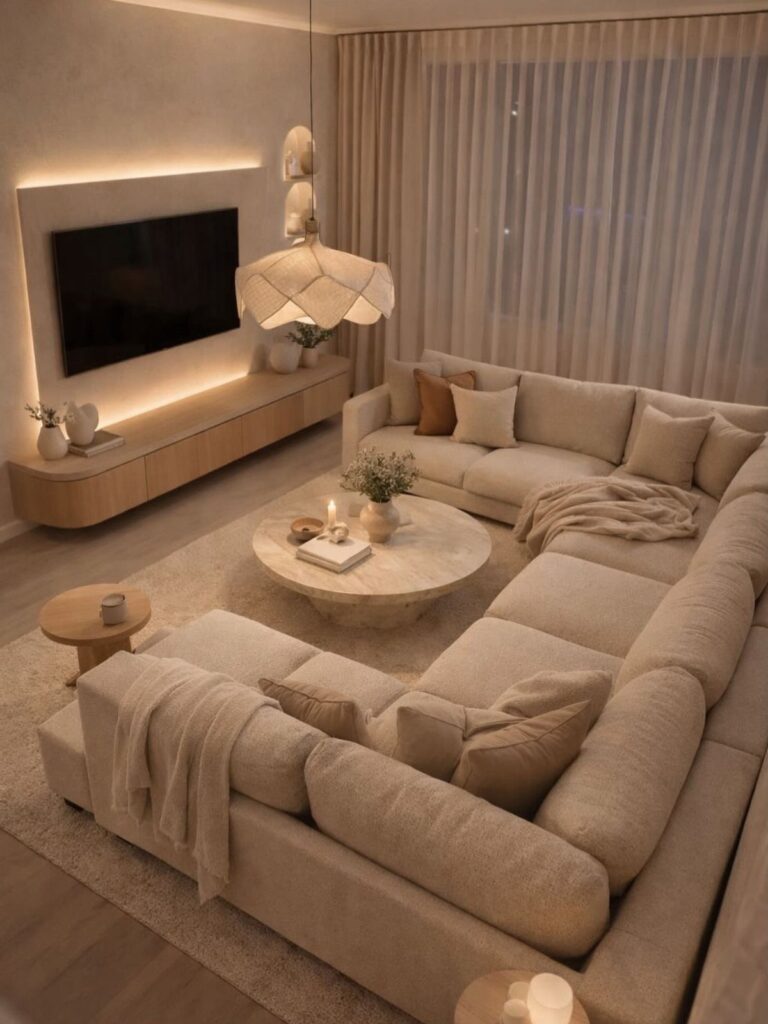
A loveseat fits where a full-size sofa won’t, an L-shaped sectional fills a corner without needing multiple pieces, and a curved sofa wraps the room when you have width to spare.
The layout you choose depends on how much floor space you’re working with and whether the room needs to double as a walkway.
1. Classic Loveseat
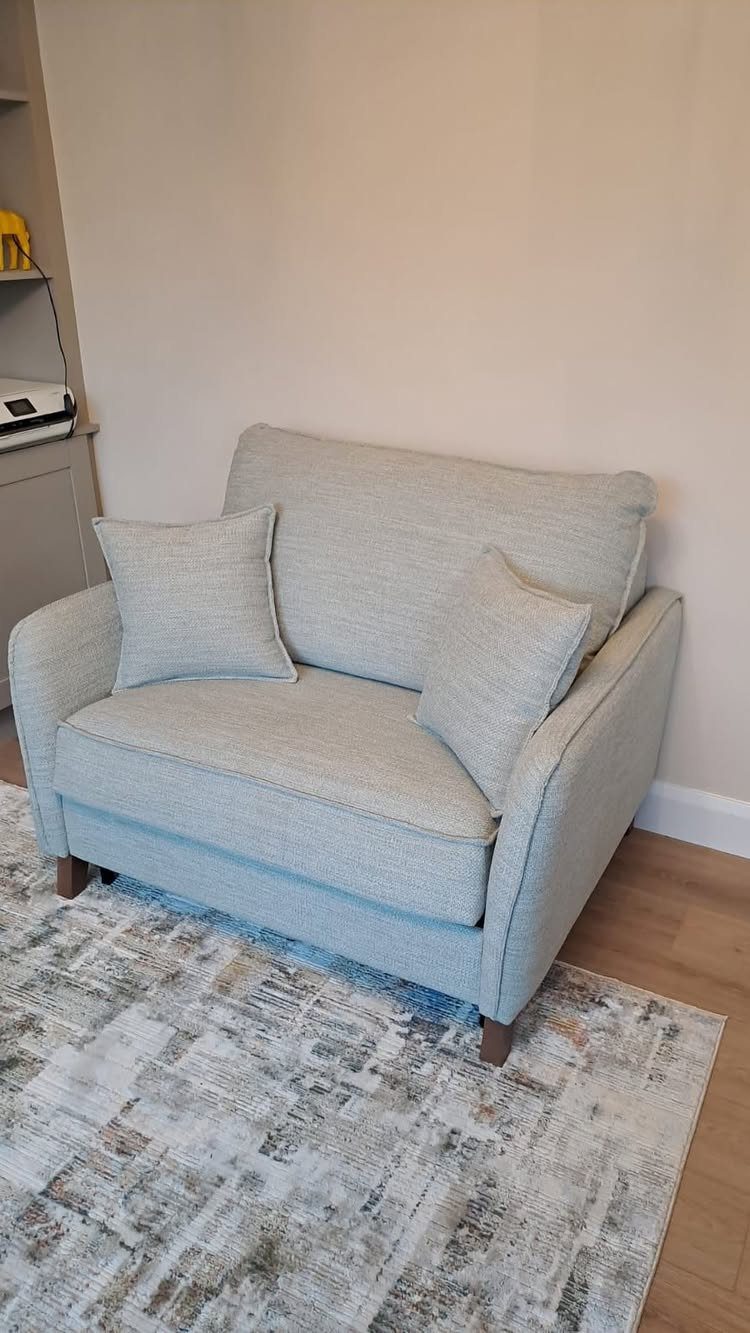
A loveseat brings full sofa comfort into rooms where a full-size piece won’t fit. A grey fabric loveseat gives 2 people a real seat without filling a smaller room.
The neutral fabric reads warm without competing for attention, and the low profile keeps sightlines open in a small room. Swap the rectangular coffee table for a round one to keep more floor visible.
If your living room doubles as a walkway, this is the piece that gives you seating without blocking the path.
2. Two Sofas Arrangement
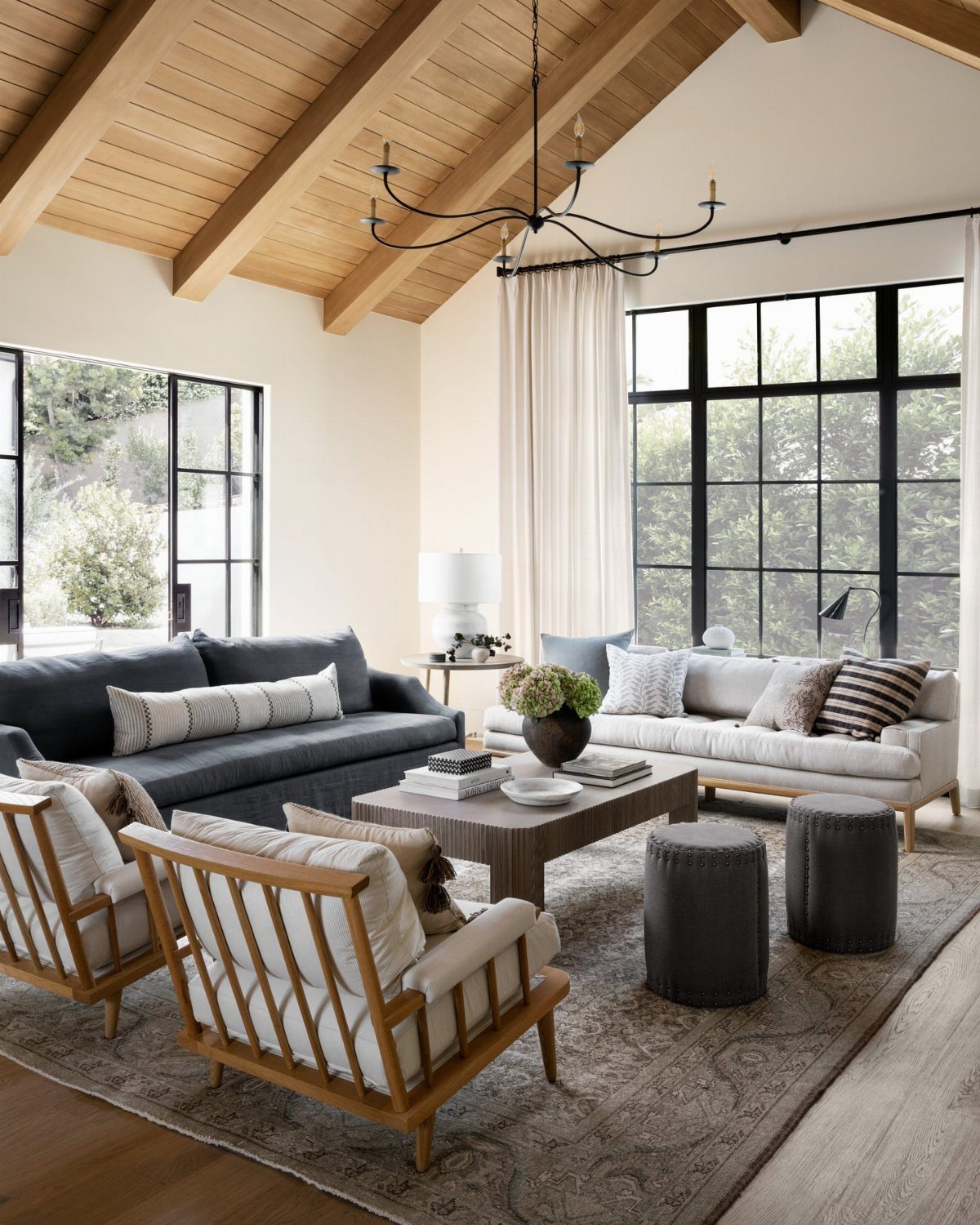
Placing 2 sofas opposite each other creates balanced seating that anchors a square or wide living room. The contrast between dark grey and cream tones here defines each piece without matching too closely.
This layout needs enough distance between walls to fit a coffee table and leave room to walk. Each sofa gets its own wall, and the setup naturally divides a large room into a conversation zone.
I prefer this to a sectional in open-plan spaces where you want definition without a physical divider.
The symmetry reads formal, so if you want a relaxed feel, vary the throw pillows or add a different side table on each end.
3. L-Shaped Sectional
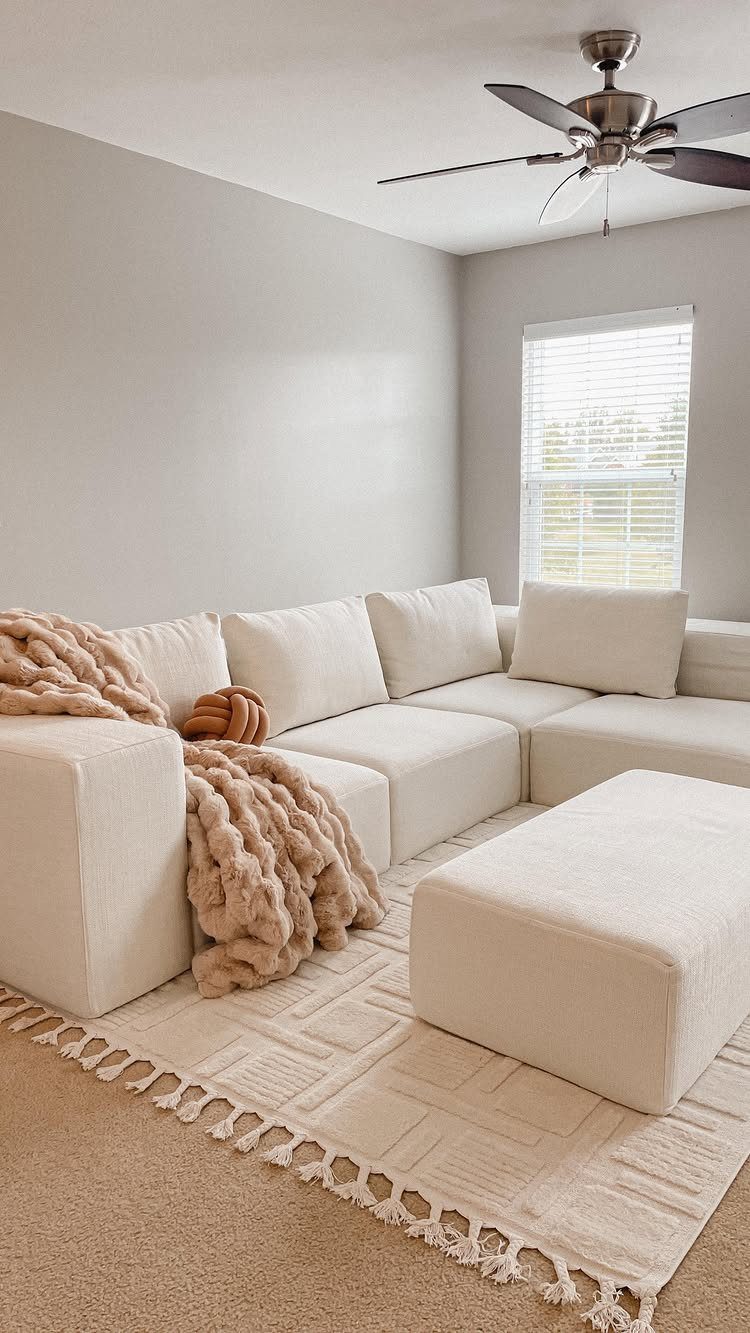
An L-shaped sectional turns a corner into usable seating and fills out a room without requiring multiple pieces.
Look for a compact sectional if your room runs narrow. The chunky knit throw softens the clean lines without adding pattern.
This layout seats a family or a group without crowding.
4. Armless Sofa
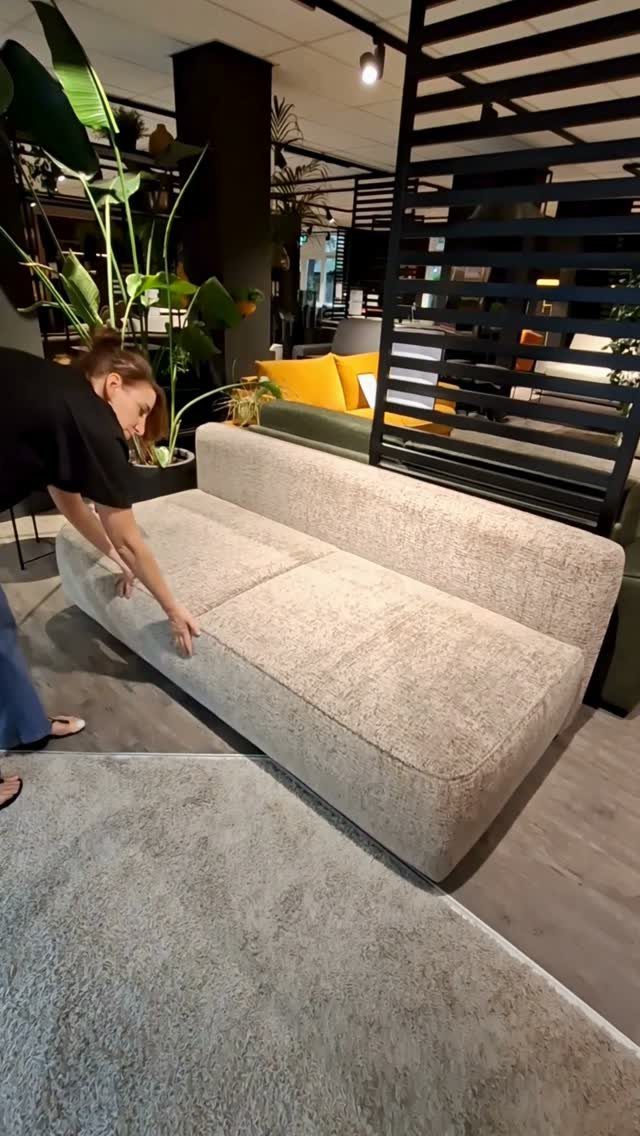
An armless sofa drops the bulkiest visual element and leaves the profile light. This beige version reads closer to a bench, which keeps a small or narrow living room from feeling packed.
The open sides let you tuck it into a corner or float it in the middle of a room without blocking the flow. You get 3-seat capacity without the weight of traditional rolled arms.
I like this for modern or minimalist spaces where you want the furniture to recede.
You lose the armrest as a perch or a place to lean, so add a side table or floor cushion if you need something to rest against.
5. Storage Sofa
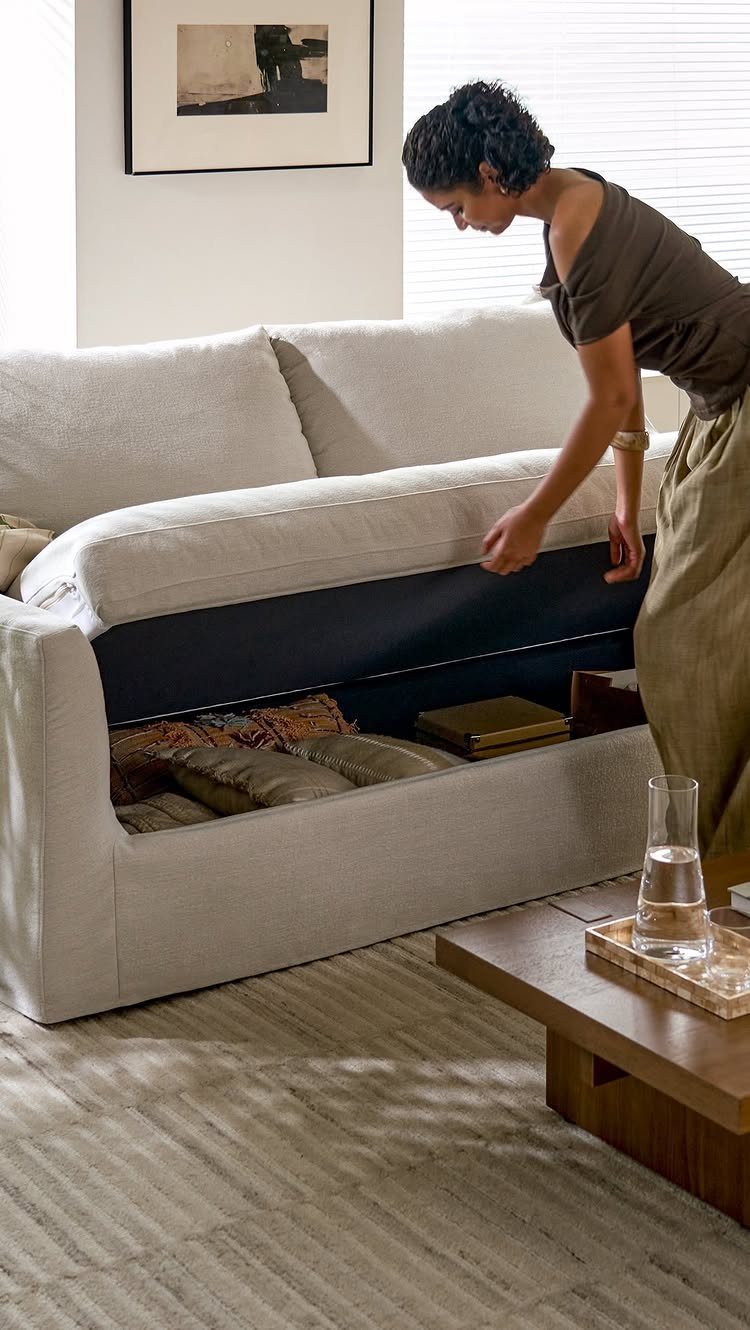
A storage sofa hides bins or bedding under the seat, which cuts down on visible clutter in a small living room.
Most storage sofas sit higher than standard, so test the seat before you buy. The mechanism is usually a simple hinge or gas lift, and accessing the space takes about 5 seconds.
This works best in apartments or homes without a coat closet or linen closet nearby. The upholstery stays smooth since the storage is hidden, so the room looks tidy even when the compartment is full.
6. Curved Sofa
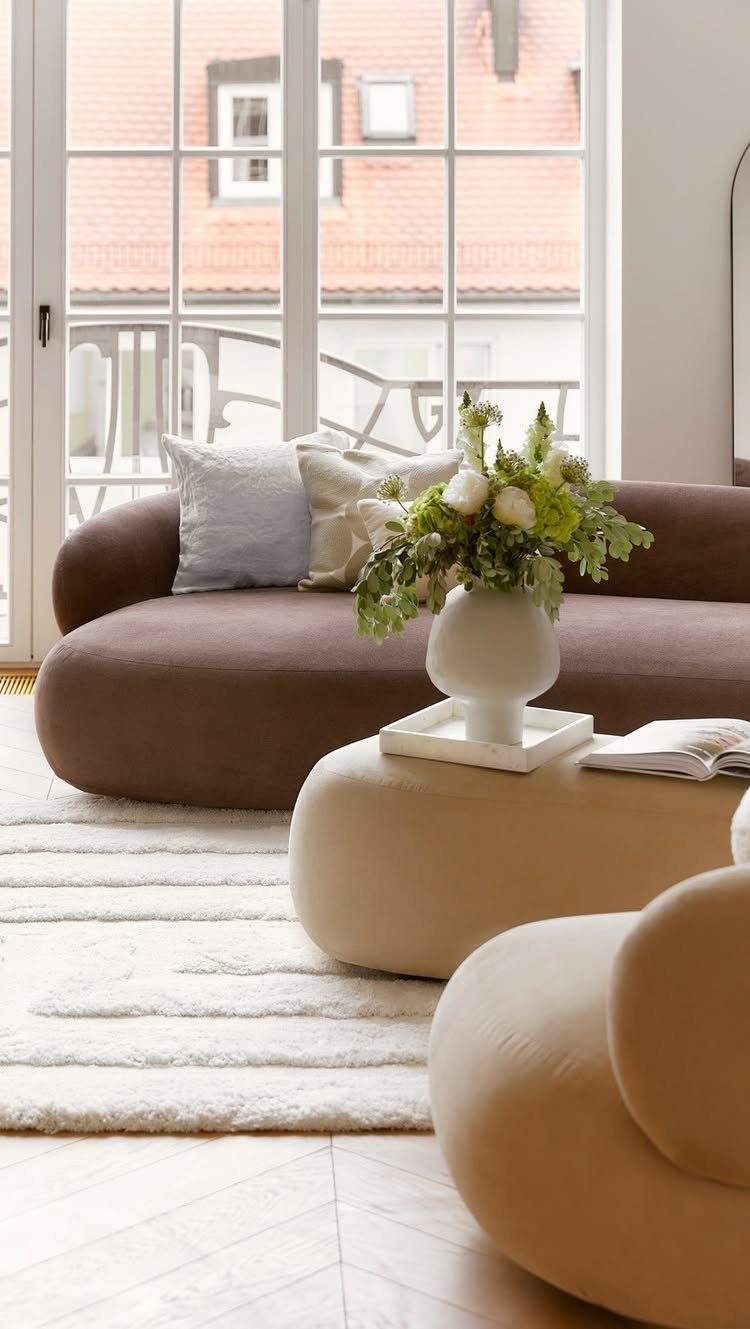
A curved sofa wraps around the coffee table and softens the hard lines most living rooms default to. The brown upholstery here adds warmth, and the gentle arc invites people to sit closer without feeling stiff.
Curved sofas need a wider room to avoid crowding the walls. The rounded ottoman echoes the sofa’s shape and keeps the look cohesive.
I like this in open-plan spaces where the sofa defines the living area without a wall behind it. The curve reads sculptural, so keep the rest of the furniture simple to let the sofa be the focal point.
7. Sofa with Built-In Side Table
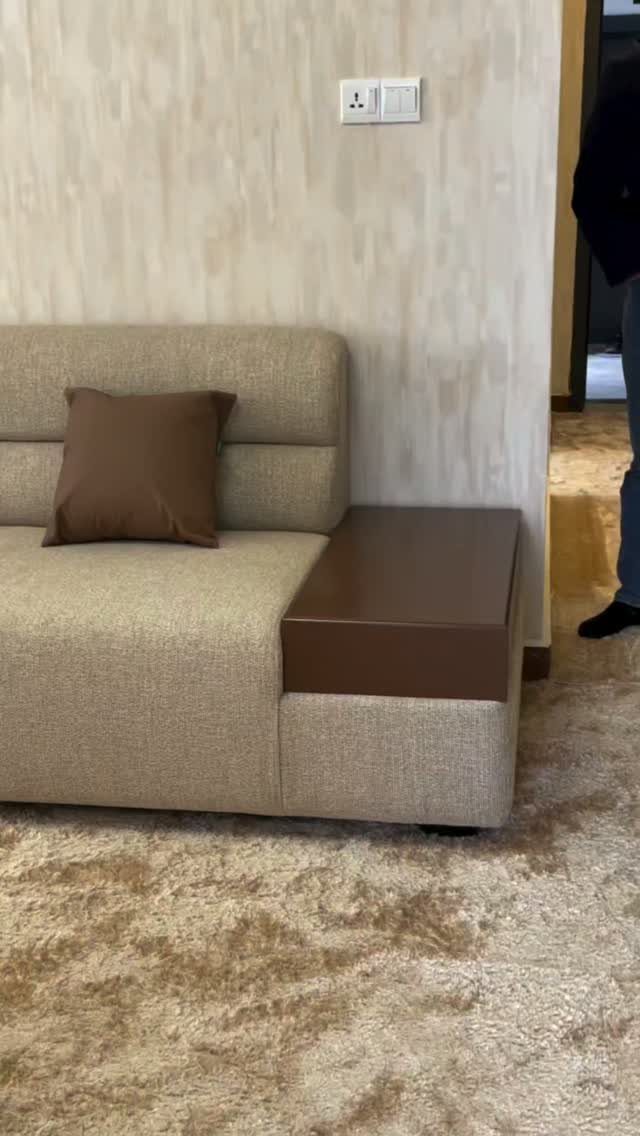
A sofa with a built-in side table gives you a spot for a drink or a book without needing extra floor space. The wooden table extends from the arm, so you get surface area where a freestanding table wouldn’t fit.
This works best in narrow rooms or against walls where a side table would block the walkway. The beige upholstery here keeps the look neutral, and the table sits at arm height for easy reach.
If your living room runs tight on clearance, this is seating and surface in one footprint.
8. Colorful Bohemian Fabric Couch
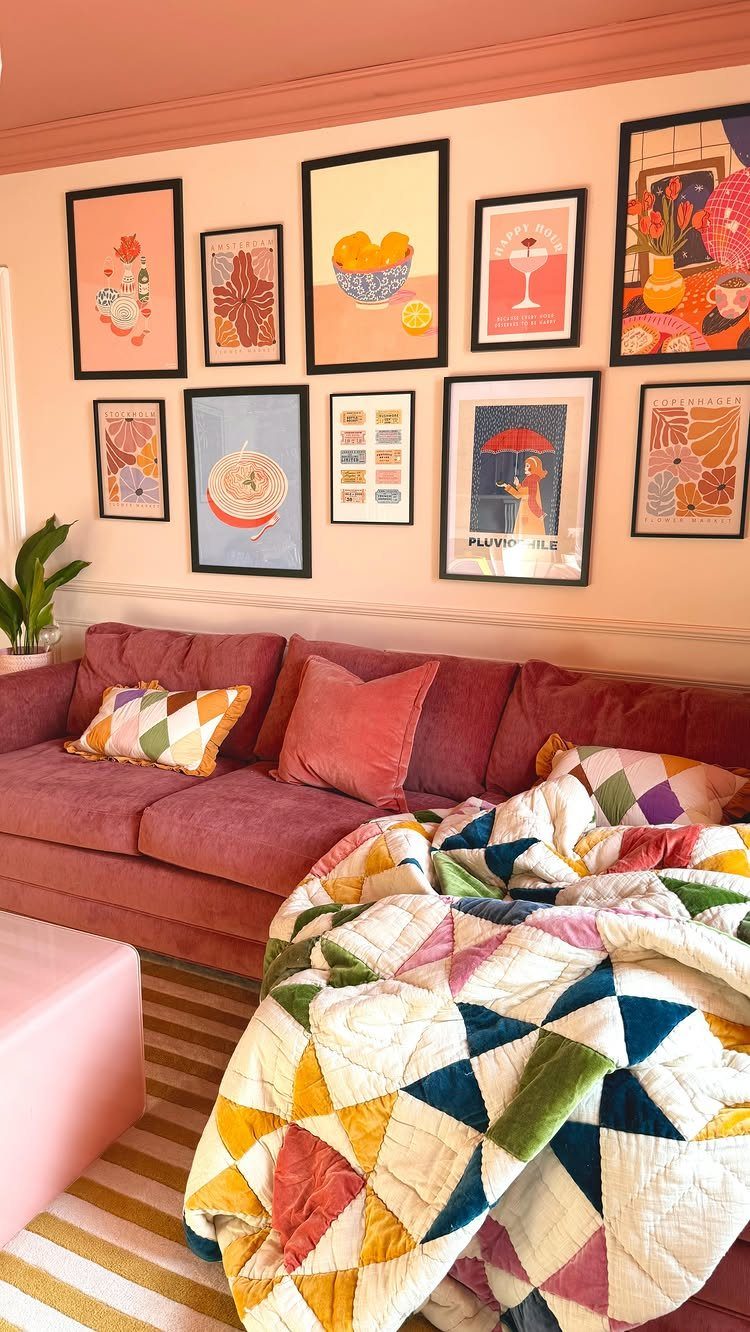
Layering patterned pillows and a colorful quilt over a dusty rose couch brings in color without committing to bold upholstery. The quilt here mixes multiple tones, and the soft pink base lets the pattern stand out.
Swap out pillows or throws seasonally if you want to shift the look. The gallery wall repeats the layered palette and ties the room together.
Bohemian fabric couches read casual, so if you want a polished look, limit the patterns to 2 or 3 and keep the rest of the room simple.
9. Matching Sofa and Armchairs Set
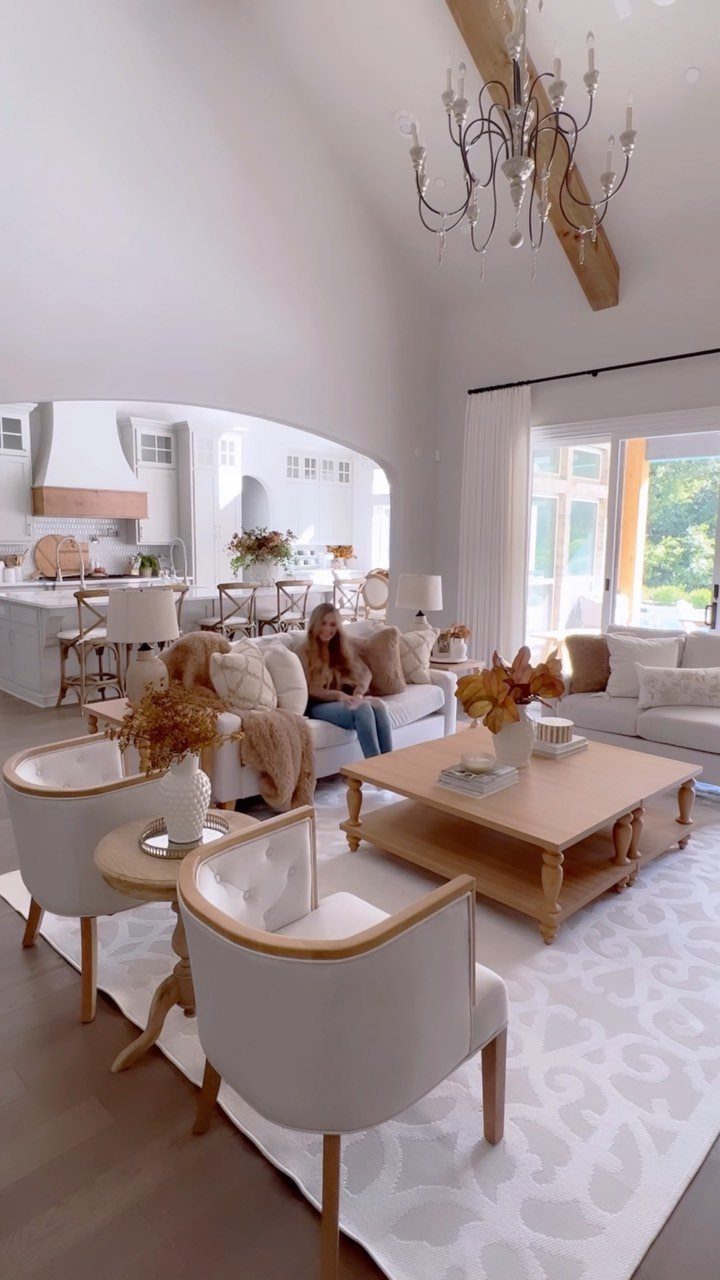
Matching a sofa with 2 armchairs balances seating around a coffee table and gives every seat equal weight. The white upholstery here reflects light and keeps a small living room from feeling heavy.
This layout works in rooms wide enough to fit 3 pieces without crowding the walkway. The wood coffee table grounds the white fabric and adds contrast.
Styling Tips for Small Spaces
Neutral tones open up a small living room by reflecting light and reducing visual weight. Beige, grey, and white upholstery recede instead of demanding attention, which makes the floor plan feel larger than it is.
Keep furniture low to the ground so sightlines stay clear across the room. A sofa with a low back or thin arms takes up less visual space, and the room reads open even when the seating is full.
Avoid filling every wall.
Leave one corner or one stretch of floor empty so the room has space to breathe. A wooden mirror frame expands the room visually by bouncing light back and doubling the apparent depth.
Soft layers like rugs and cushions add warmth without bulk. A rug anchors the seating area, and pillows bring in texture without taking up floor space.
"Centralizing the position of your sofa design for a small living room makes the room look wider. Taking into consideration the functionality of the sofa and the design of the piece, including color, proportion, weight, placement, shape, and style is also key."
Trends in Sofa Design
Multi-functional furniture is gaining ground as more people look for pieces that do more than one job.
Compact sofas built for apartment life keep the floor open and the room feeling bigger without giving up a comfortable seat. These pieces fit tighter spaces and feel deliberate rather than cramped.
Natural materials and timeless finishes are replacing trend-driven choices. Wood, linen, and cotton hold up longer and read less disposable than synthetic alternatives.
The shift is toward furniture that serves a purpose and lasts, not pieces that fill a room for a season and then need replacing.
Frequently Asked Questions
Which sofa color is best for a living room?
Neutral shades like beige, grey, and white work best because they reflect light and reduce visual weight.
A sofa that blends with the walls makes the room feel larger and more open. Neutral upholstery also gives you more flexibility with pillows, throws, and rugs without competing for attention.
What can I use instead of a couch in my living room?
An armless sofa gives you seating without the bulk of traditional rolled arms, so it reads lighter in a small space.
If a full-size sofa is too large for your space, a loveseat gives you a real place to sit without overwhelming the room. Both options seat multiple people without blocking sightlines or filling the floor.
What type of sofa is suitable for a small living room?
A loveseat or compact L-shaped sectional maximizes seating without overwhelming a smaller room.
Look for low-profile pieces that keep sightlines open and leave floor space visible. Armless sofas also work well because they drop visual bulk while still seating 3 people comfortably.
What are different types of sofas called?
A loveseat seats 2 people in a compact frame, while a sectional forms an L-shape to turn a corner into seating.
Removing the arms opens up sightlines and saves a foot of width, while a curved frame follows the shape of a round coffee table instead of boxing it in.
Lift the cushions and you’ll find room for throws or off-season pillows, and a few designs extend one arm into a shelf or cup rest.






