
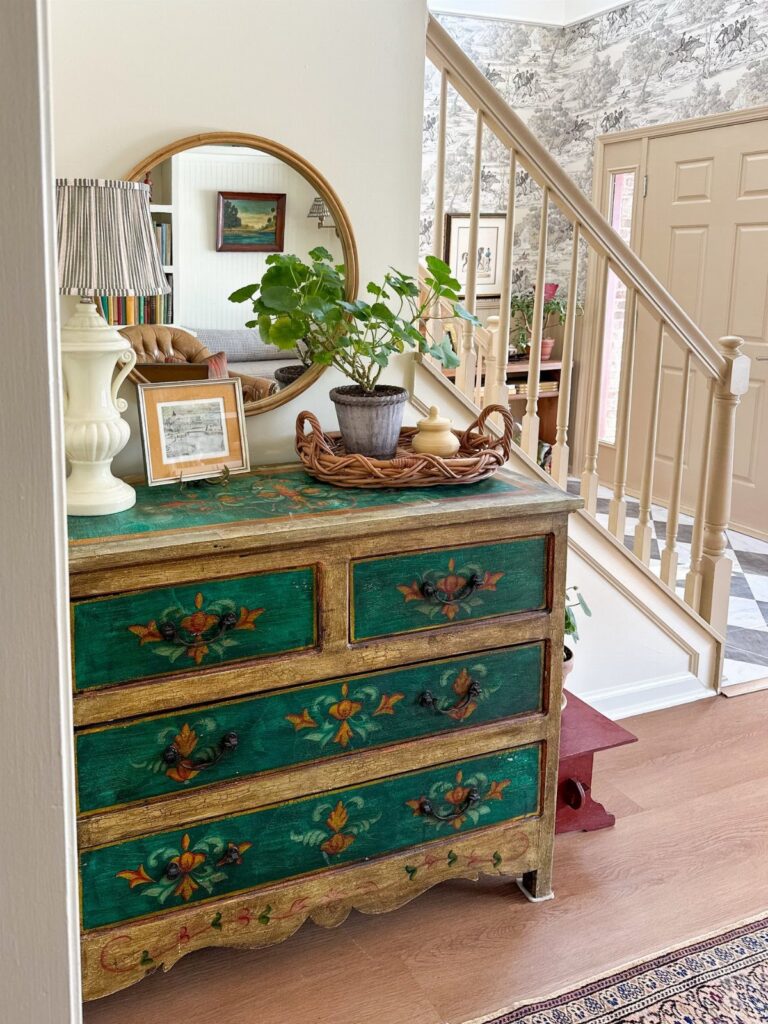
Storage in a sitting room can run from a basket tucked under a console table to a floor-to-ceiling built-in that spans an entire wall.
The choice comes down to whether you need to hide what you store or leave some of it in sight.
1. Corner Shelves
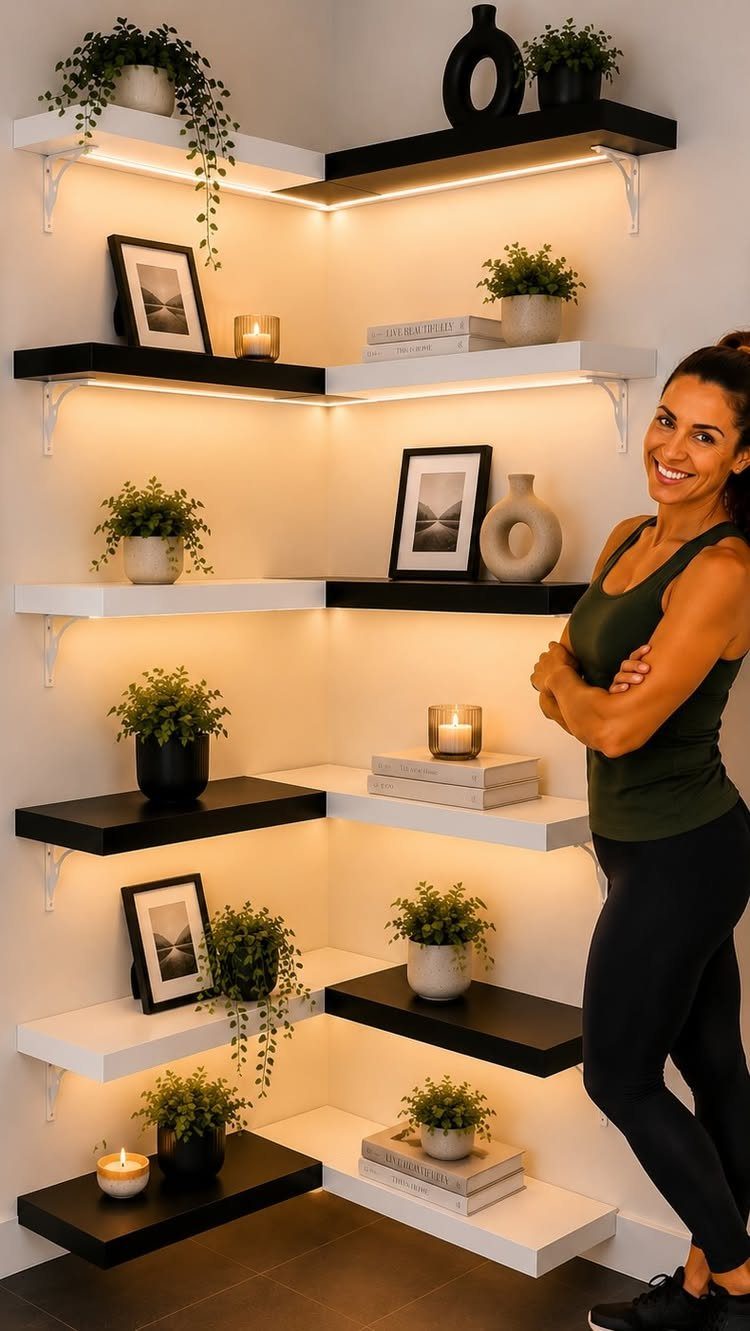
Corner shelves pull storage into the part of a room that usually stays empty.
A set of tiered shelves stacked floor to ceiling gives you display space for books, small plants and frames while leaving wall real estate free for a sofa or TV.
I like them for rooms where every inch of wall is spoken for. The depth runs shallow, so they hold decor and light objects but not heavy storage bins.
Some corner units come with built-in LED strips that light each shelf from below, which keeps the corner from feeling dark.
2. Open Shelves
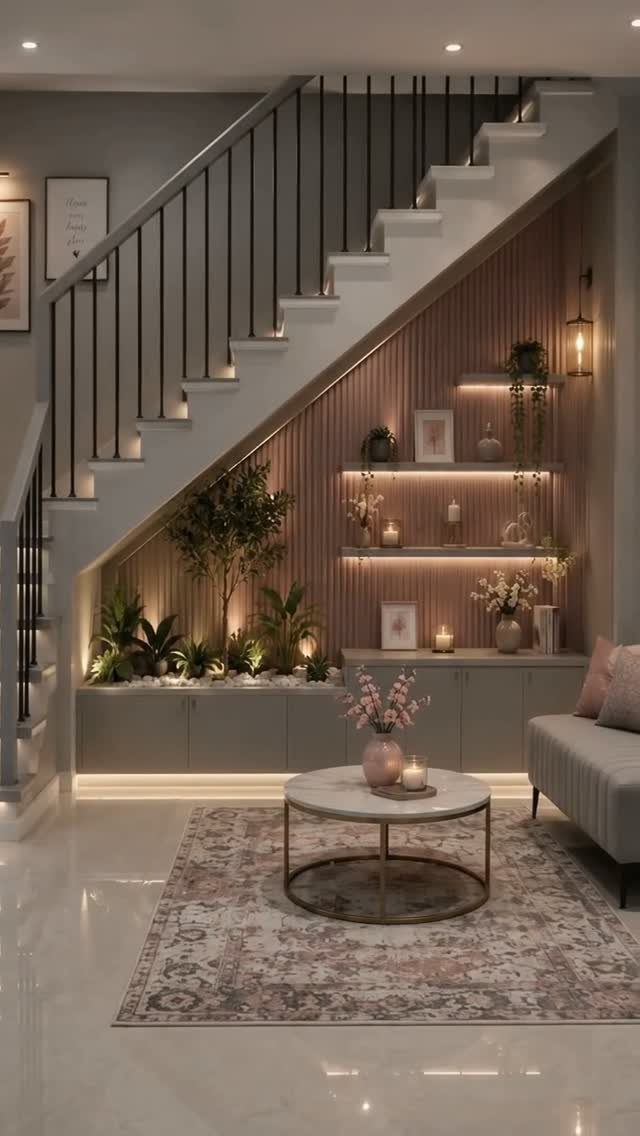
Open shelves let you see what you stored, which cuts down on hunting for things and makes clutter harder to ignore.
Mounted above closed cabinets, they give you a place for the things you want visible while the cabinets handle everything else.
Open shelving built into alcoves or along walls works in tight rooms where a standalone bookcase would block traffic.
Styling the open shelves with a few plants, small framed art or stacked books keeps them from looking bare, but leave some gaps so the whole thing doesn’t read as crowded.
3. Floating Shelves
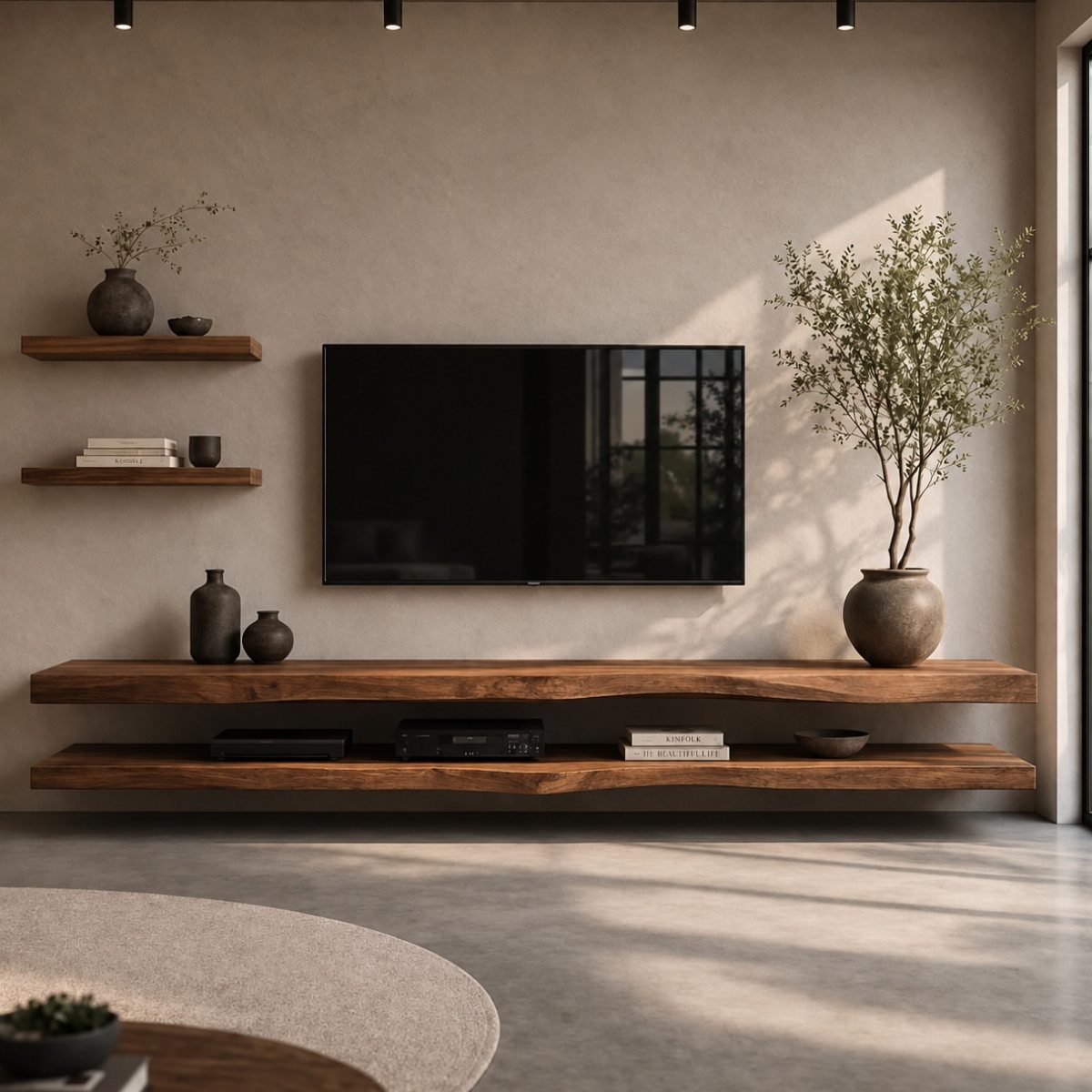
Floating shelves mount to the wall with hidden brackets, so there’s no visible hardware and the wood appears to hang on its own.
That clean look works well in a room where you want storage that doesn’t compete with the furniture.
I install them in a vertical stack when wall space is narrow, spacing them so books and taller vases fit without crowding.
The wood can match your floor or trim, or you can stain it a few shades darker for contrast.
They hold decor and paperbacks but not heavy storage bins, so save them for the lighter half of what you need to put away.
4. Baskets and Bins
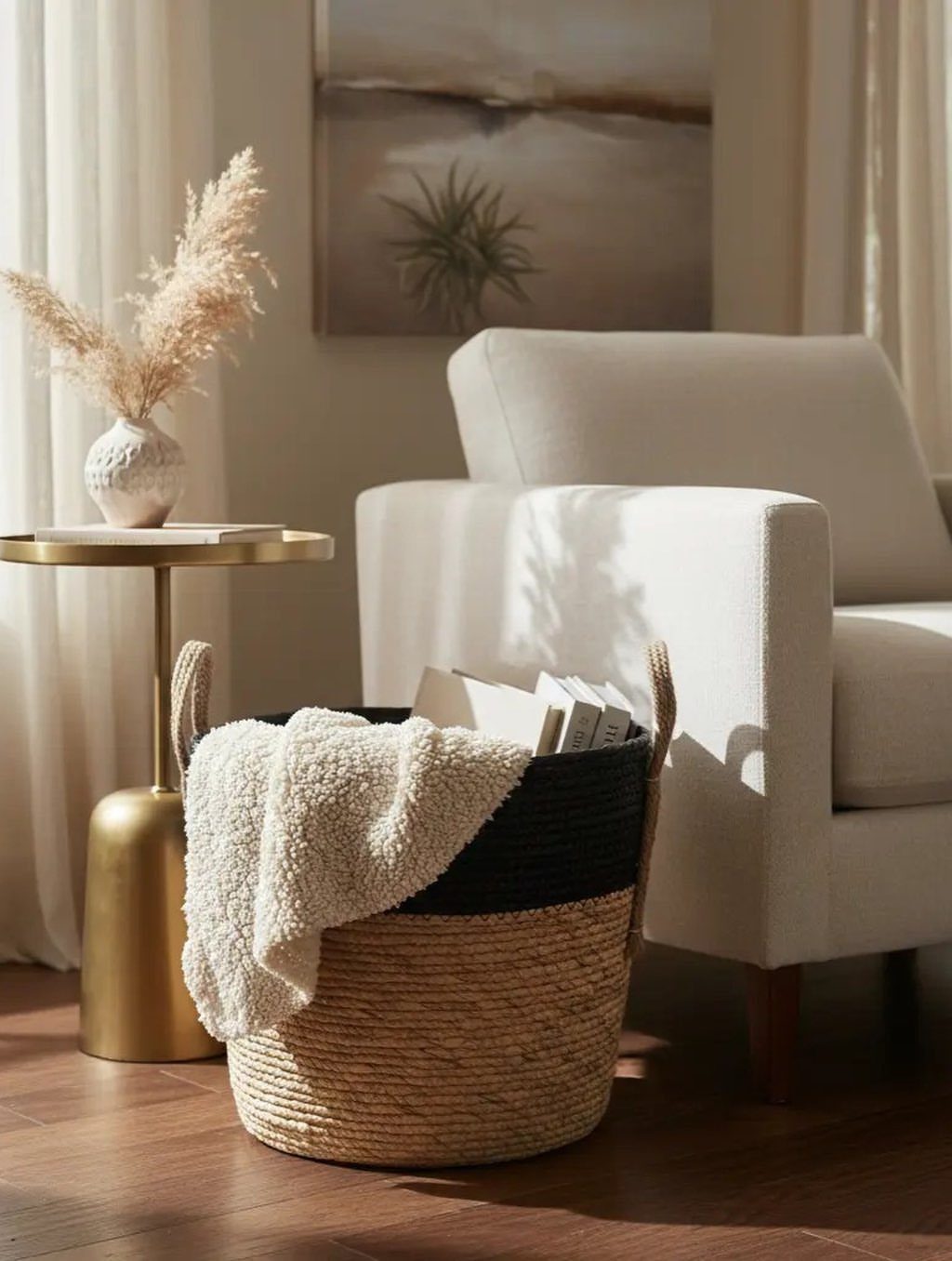
Baskets and bins sit on the floor, under a console table or tucked next to an armchair, and you can move them wherever you need storage that week.
I keep one by the sofa for throw blankets and another under the coffee table for magazines.
Woven seagrass, rattan or jute baskets add texture without looking busy, and handles make them easy to carry to another room.
A lidded bin hides clutter completely; an open basket shows the top layer, which I prefer when I want the blanket or book to stay part of the room’s look.
Measure the space under your furniture first so the basket clears the bottom rail.
5. Built-In Cabinets
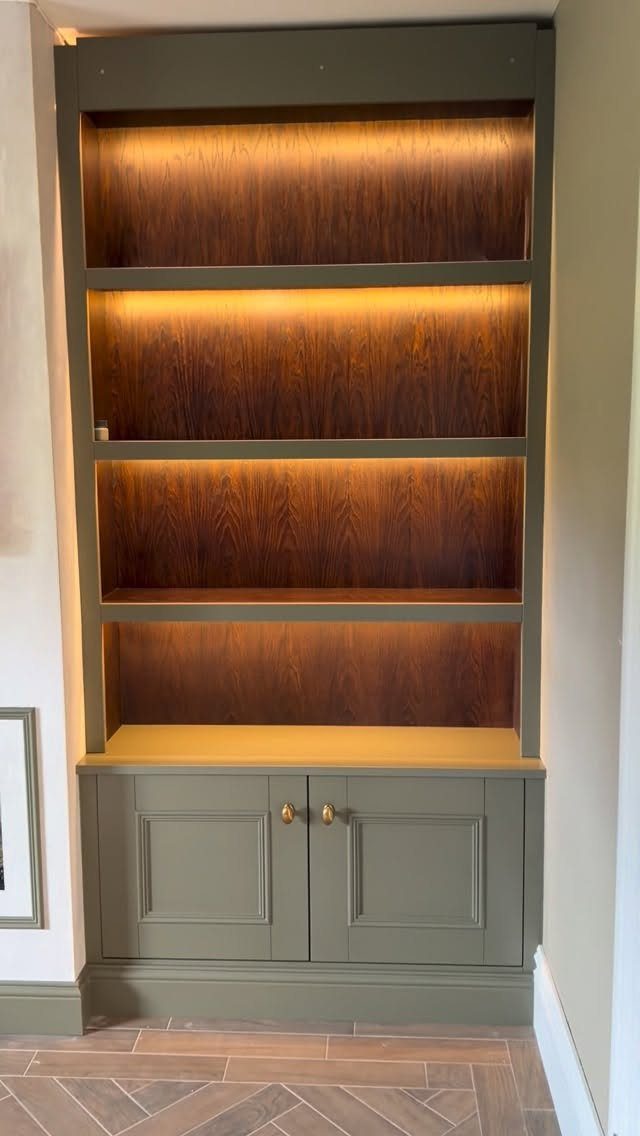
Built-in cabinets sit flush with the wall and run from floor to ceiling, giving you more storage than freestanding furniture without eating into the room.
Molded shaker-style doors on the base units and a stained back panel bring in detail and warmth. I like that approach when the built-in draws the eye rather than blending into the trim.
Integrated LED lighting inside the shelves keeps the upper portion visible at night without needing a table lamp nearby.
6. Narrow Storage Cabinets
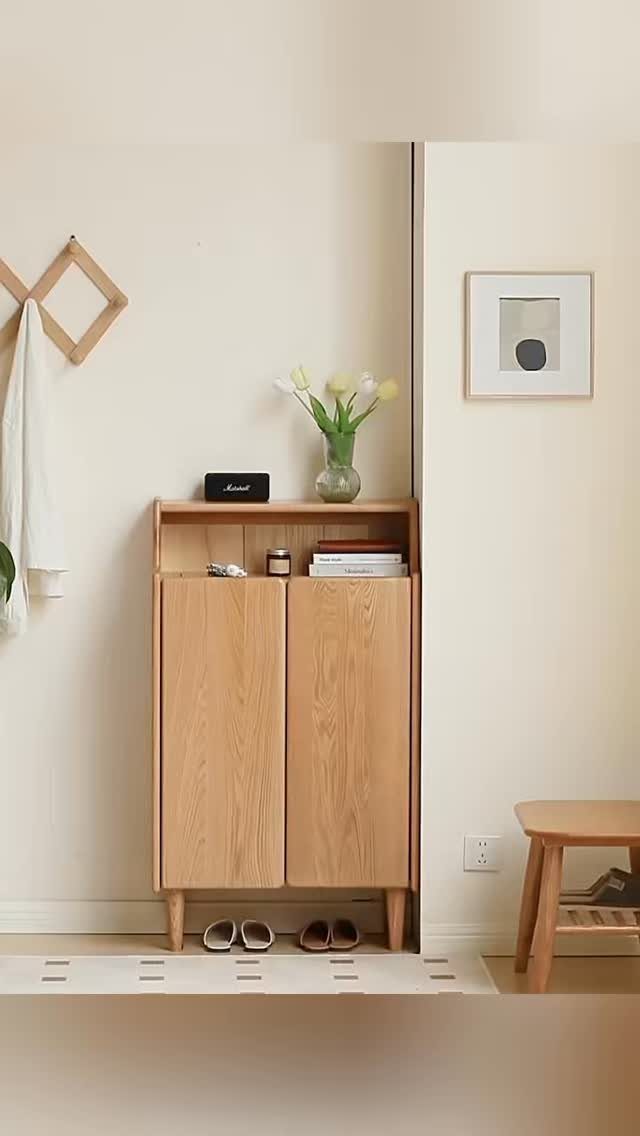
Narrow cabinets slide into gaps where a standard bookcase won’t fit: next to a doorway, between 2 windows or in the few inches left over after you’ve placed the sofa.
Most run narrow and hold linens, board games or extra throw pillows behind closed doors.
The maker noted that neutral woods paired with tactile surfaces feel both elevated and approachable, which is a polite way of saying they go with everything.
An open shelf on top gives you one spot for a plant or a small stack of books to show.
7. Media Consoles
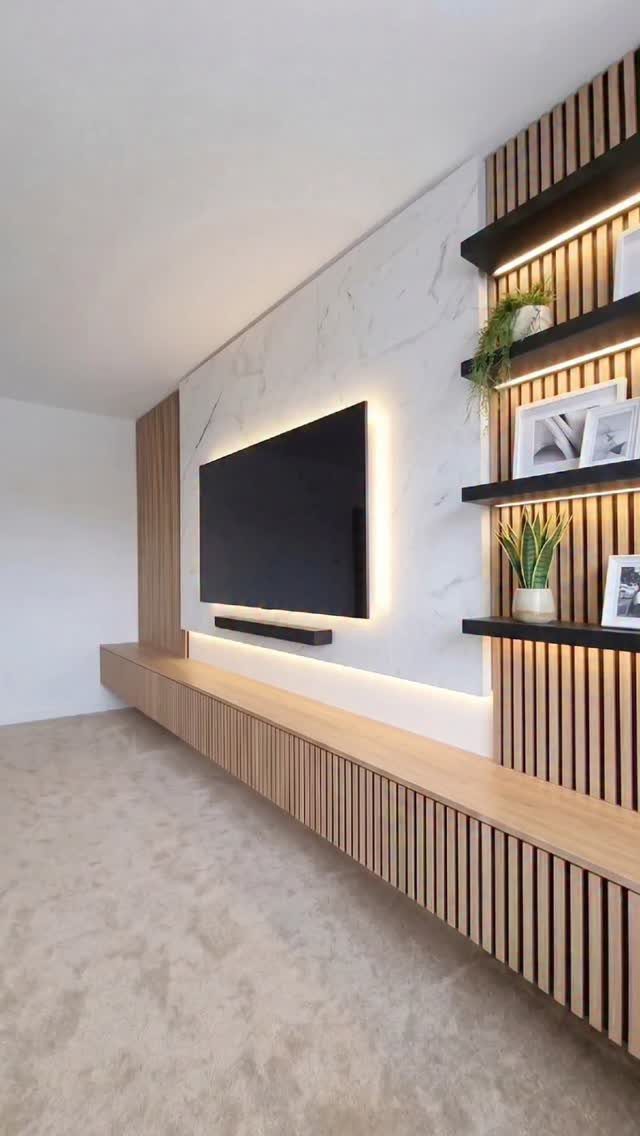
Media consoles hold your TV, streaming devices and cables in one piece, with compartments or slatted panels that hide wires while keeping remotes and controllers within reach.
The long footprint spreads storage horizontally, so you can tuck baskets or game consoles in the lower openings without stacking things high.
A floating version mounts to the wall and clears the floor, which opens up the space and lets you run a robot vacuum underneath.
Measure your TV width first and add enough that the console extends past the screen on both sides.
8. Console Tables
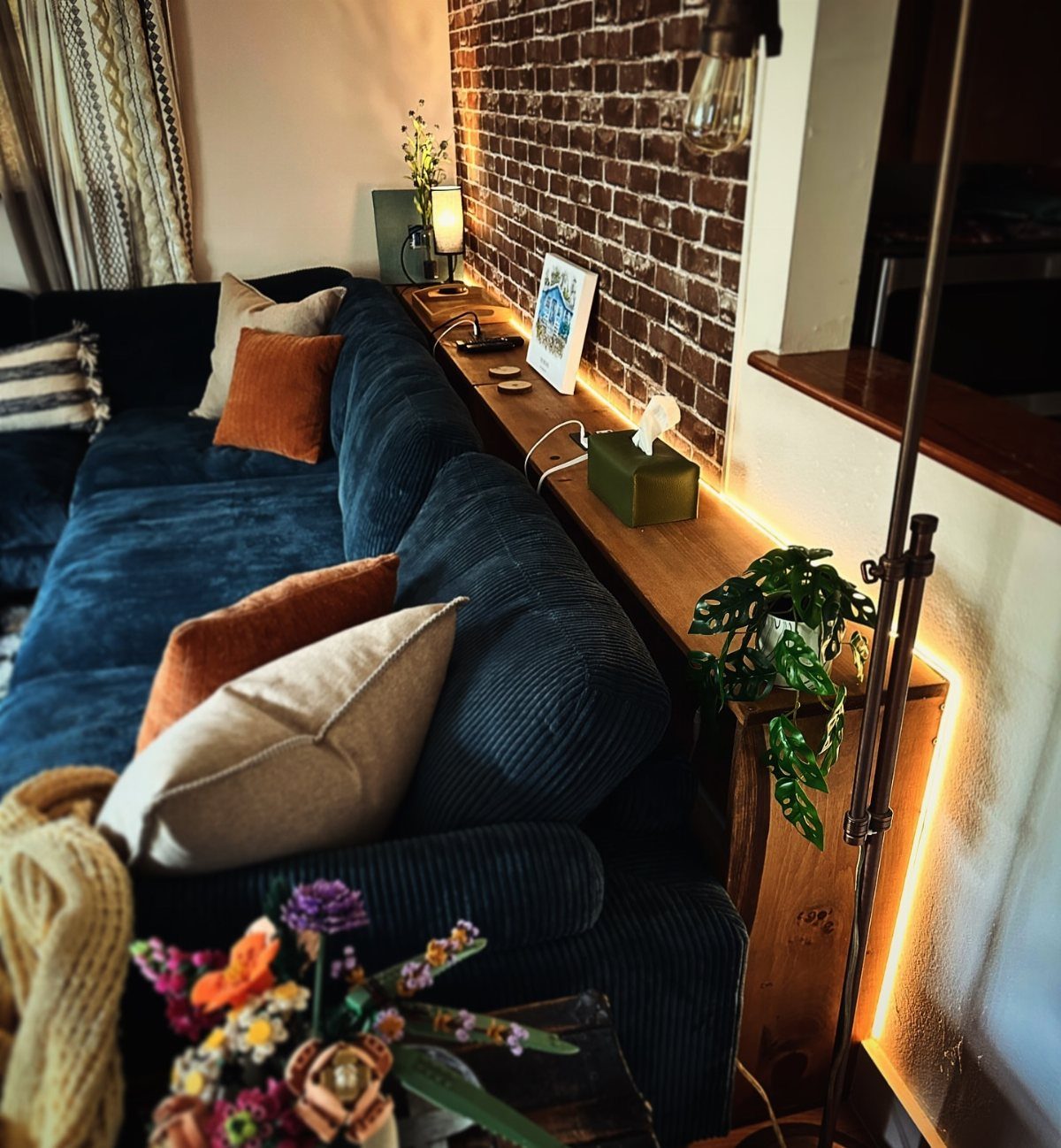
Console tables sit behind a sofa and turn dead space into storage without blocking the room. The top holds lamps, frames and a plant, while a lower shelf or drawer hides remotes, chargers and mail.
I reach for them when a sofa floats in the middle of the room and you need something to anchor the back edge. Depth runs narrow enough that you can walk behind the sofa comfortably.
Wood finishes that match your flooring tie the piece in without adding a new color.
9. Drawers in Furniture
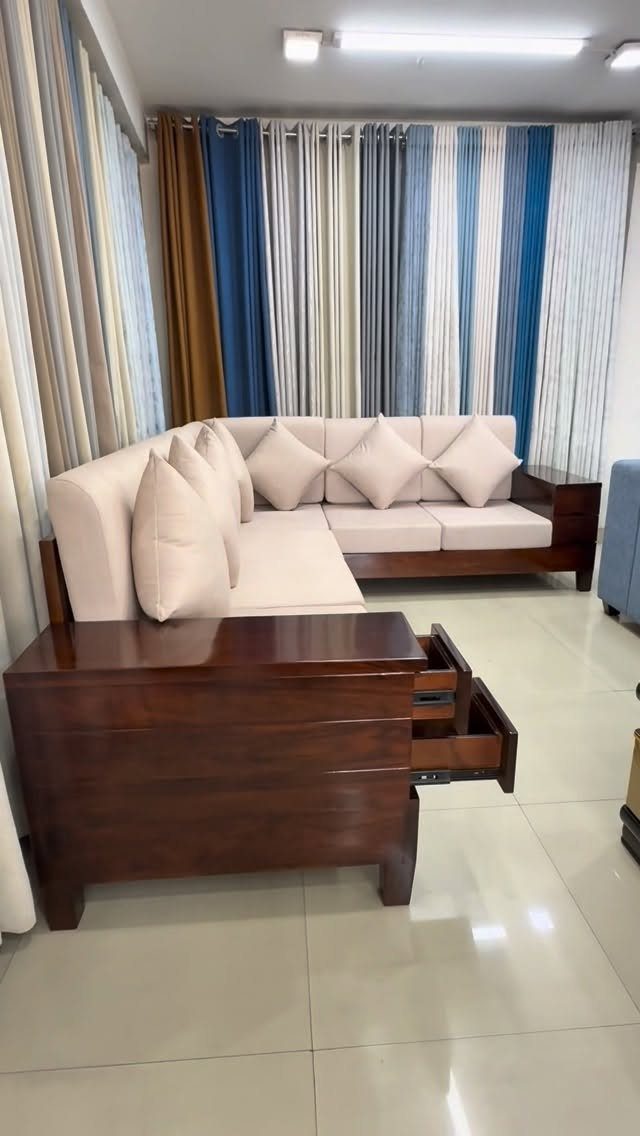
Drawers built into side tables, ottomans or the arm of a sectional add storage without bringing in another piece.
A pull-out drawer next to the sofa holds remotes, coasters and reading glasses where you need them, and the whole thing closes so clutter stays out of sight.
Some sectionals come with storage compartments built into the chaise or corner unit, which works when you need a place for throw blankets or board games but don’t have room for a separate cabinet.
10. Vintage Cabinets
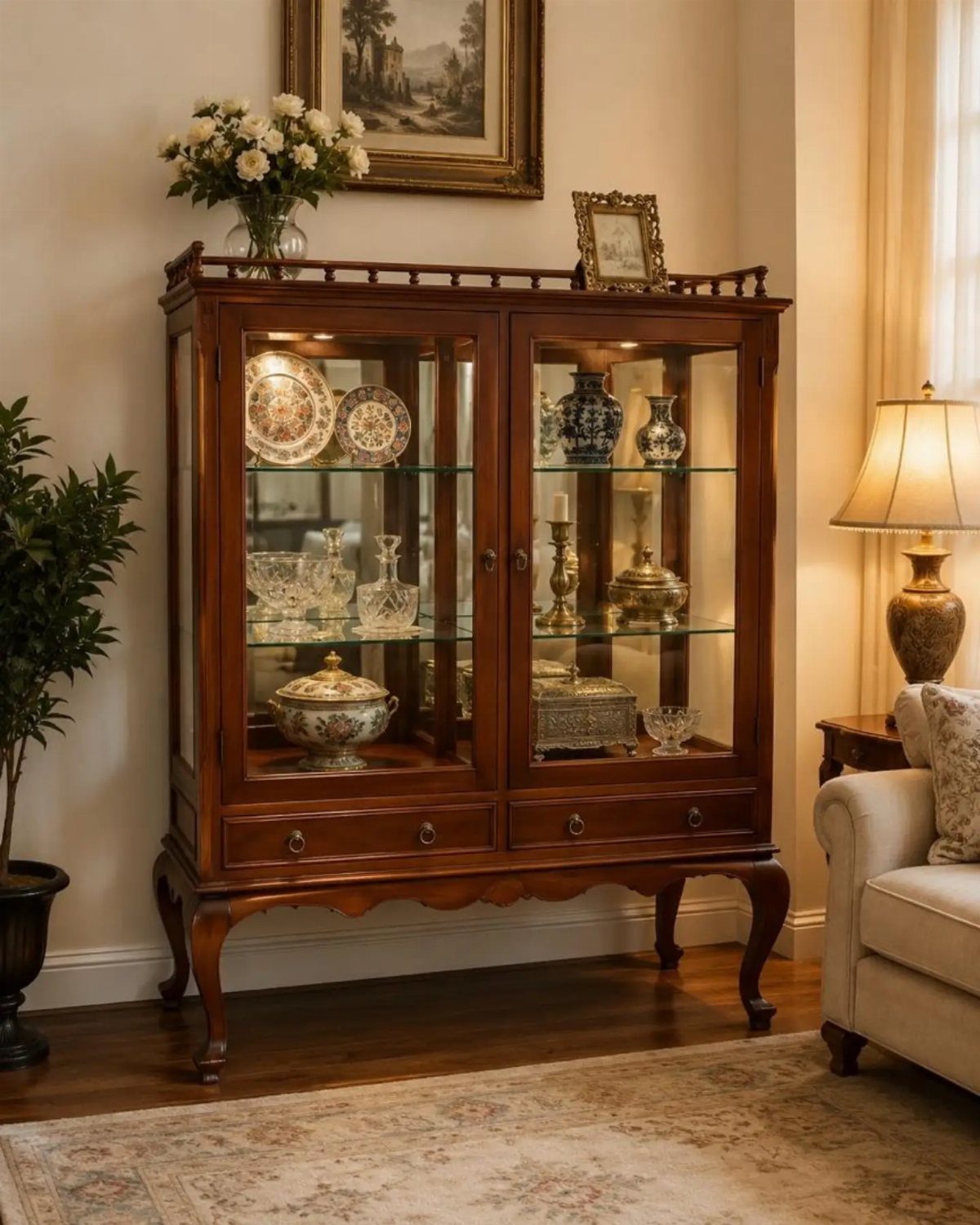
Vintage cabinets bring storage with detail you don’t get from flat-pack furniture: glass doors, carved drawer pulls and wood that’s already worn in.
A mid-century hutch or a salvaged apothecary cabinet holds books, glassware or linens while giving the room a piece with history.
Glass doors let you display what you stored, so fill the shelves with things you want to see. The lower drawers hide remotes, cords and spare light bulbs.
Check that the piece sits level before you load it; older cabinets can wobble on uneven floors.
11. Vertical Cabinets
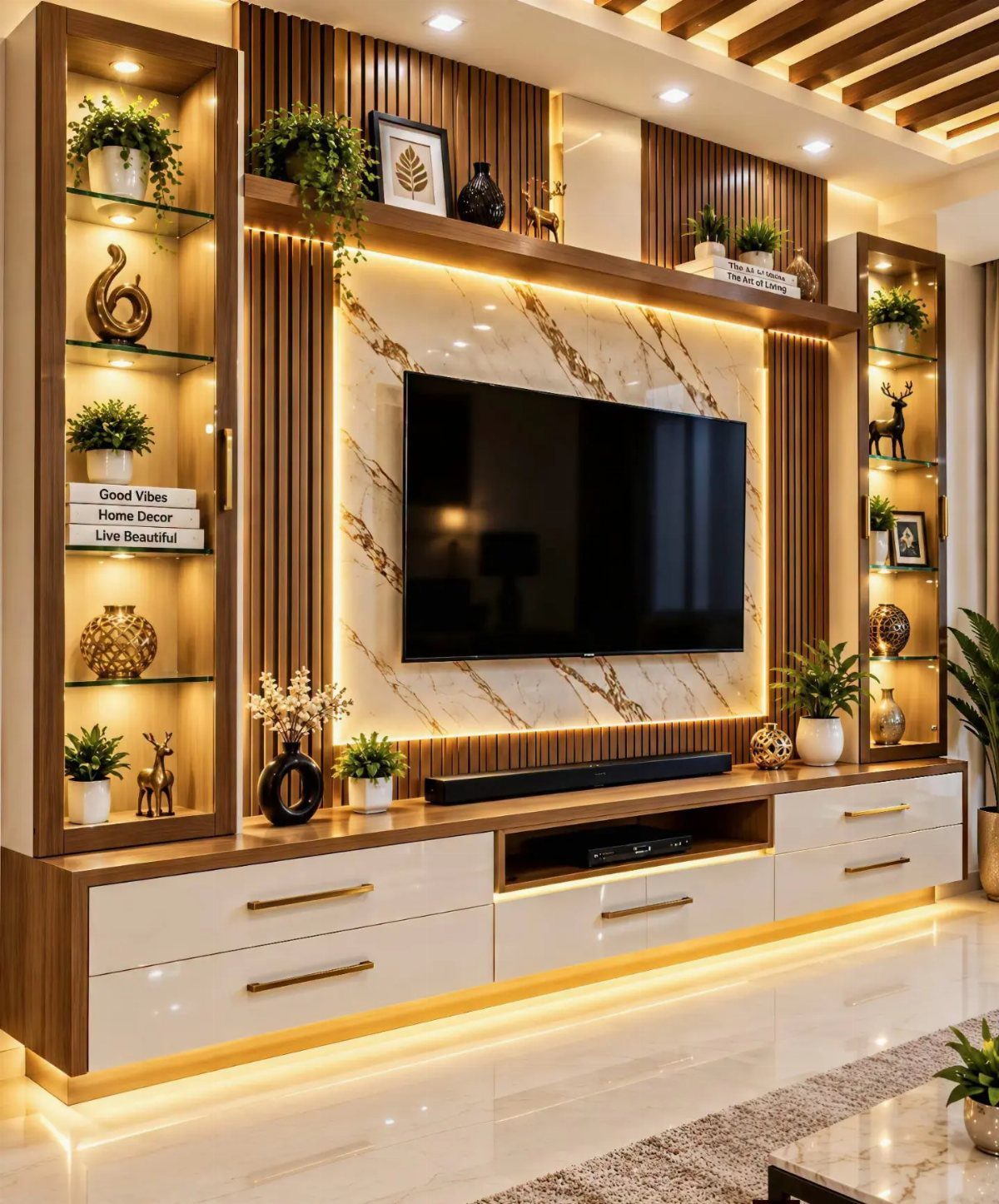
Vertical cabinets stretch toward the ceiling and give you more storage per square foot than a low, wide piece. Glass-front towers flanking a TV hold books, frames and decor on shallow shelves, while the base drawer hides heavier items.
Tall cabinets work in rooms where you can’t spread furniture along the walls but you still need somewhere to put things. The narrow width lets you tuck them into corners or next to a window without blocking light.
Anchor tall units to the wall so they don’t tip forward.
12. Wall-Mounted Cabinets
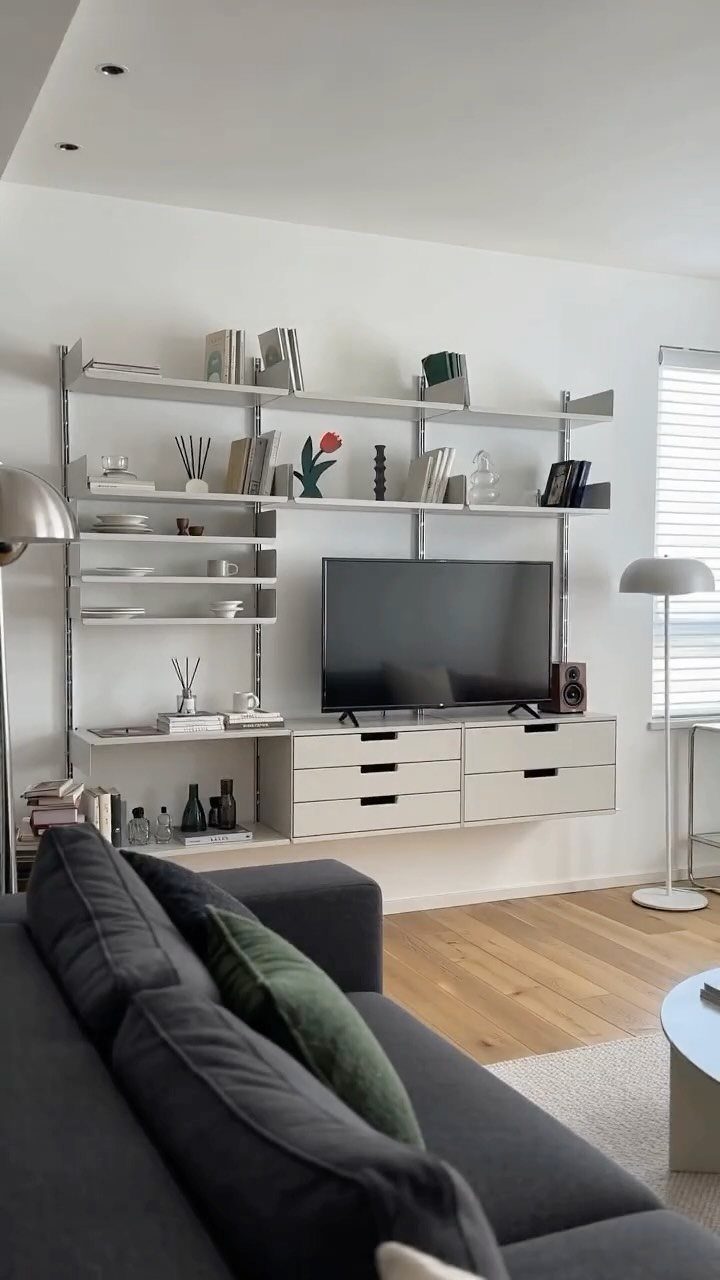
Wall-mounted cabinets hang above the floor and give you storage that doesn’t take up square footage.
A set of floating drawers under the TV or a row of small cabinets along one wall holds electronics, remotes and cords while leaving the floor clear for furniture or a rug.
The space underneath stays open, which feels less crowded than floor-to-ceiling built-ins would.
Mount them at a height where you can reach the contents without a step stool.
13. Two-Tiered Coffee Tables
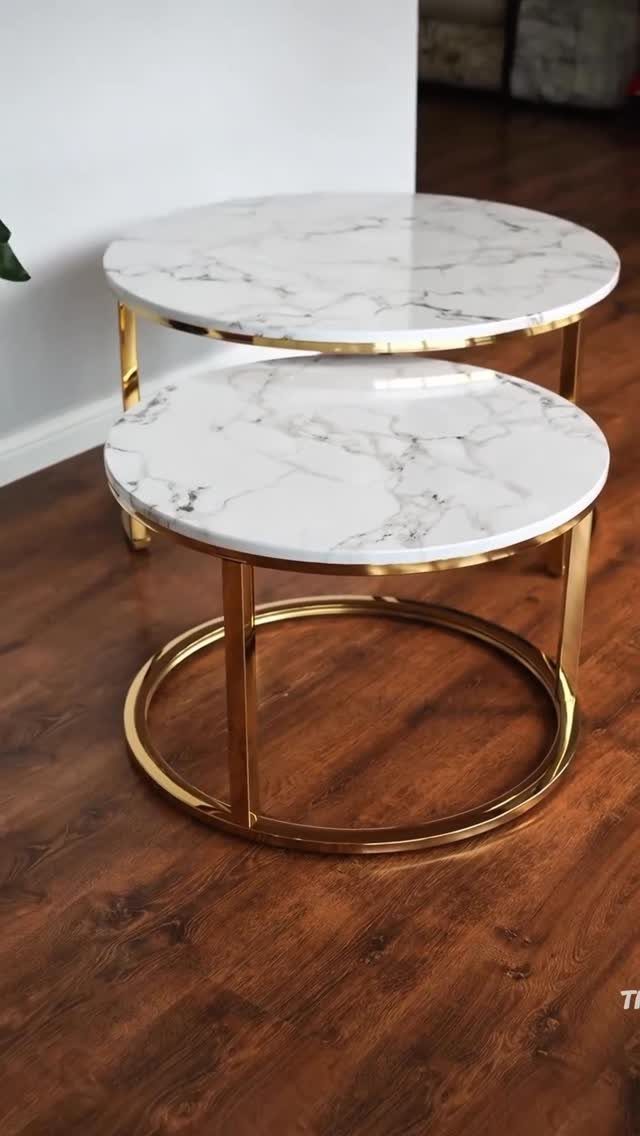
Two-tiered coffee tables stack a lower shelf under the main surface, doubling the storage in the same footprint.
The top holds drinks and a book, while the bottom tier keeps magazines, remotes or a small basket out of the way but still visible.
Nesting tables that slide apart give you the same layered storage and let you pull one out when you need a side table next to a chair.
The gap between tiers runs a few inches, so measure what you plan to store on the lower level before you buy.
14. Storage Trunks
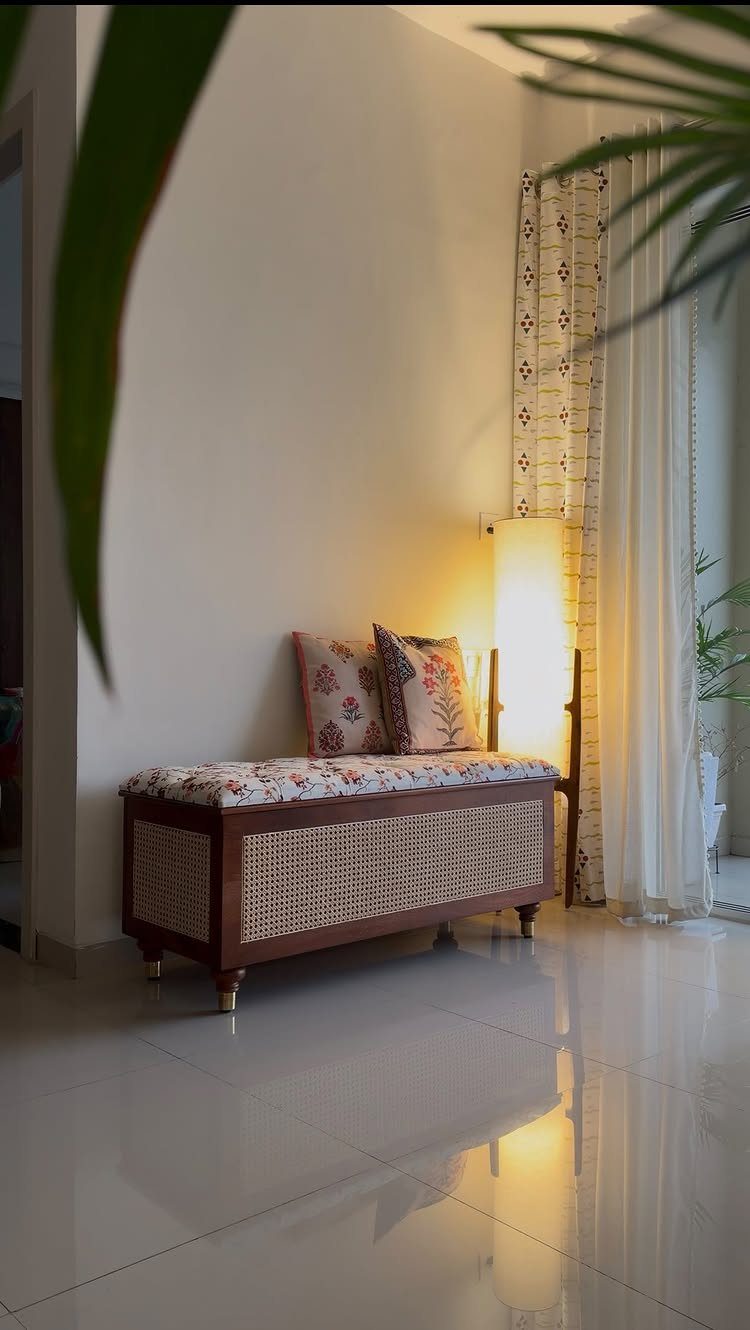
Storage trunks hide blankets, board games or off-season pillows behind a lid that closes flat, and the top doubles as a bench or a coffee table when you need extra seating.
A cushion on top makes it comfortable to sit on for more than a minute.
Cane panels or slatted wood fronts keep the trunk from looking too heavy in a small room. Handles on the sides let you move it when you rearrange furniture.
Measure the height so it lines up with your sofa seat or sits low enough to work as a footrest.
15. Pegboards
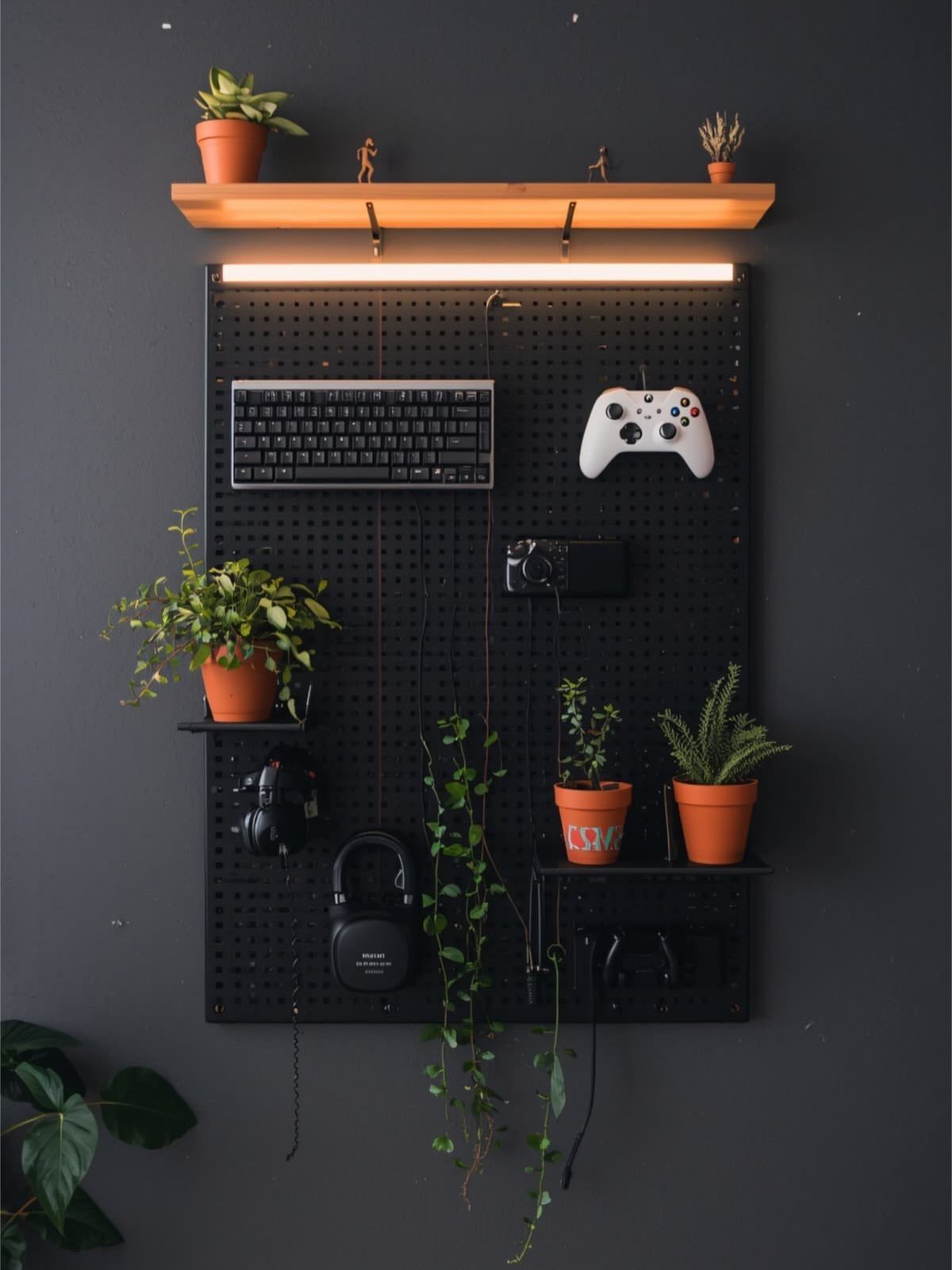
Pegboards mount to the wall and hold gear on hooks that you can move around as what you store changes.
Small shelves, cup holders and cable clips snap into the holes, so you can build a layout that fits what you actually need to put away.
Painting the board the same color as the wall keeps it from standing out when it’s empty. A wood shelf across the top adds a place for plants or frames.
Space the hooks far enough apart that items don’t overlap when they hang.
16. Hutches
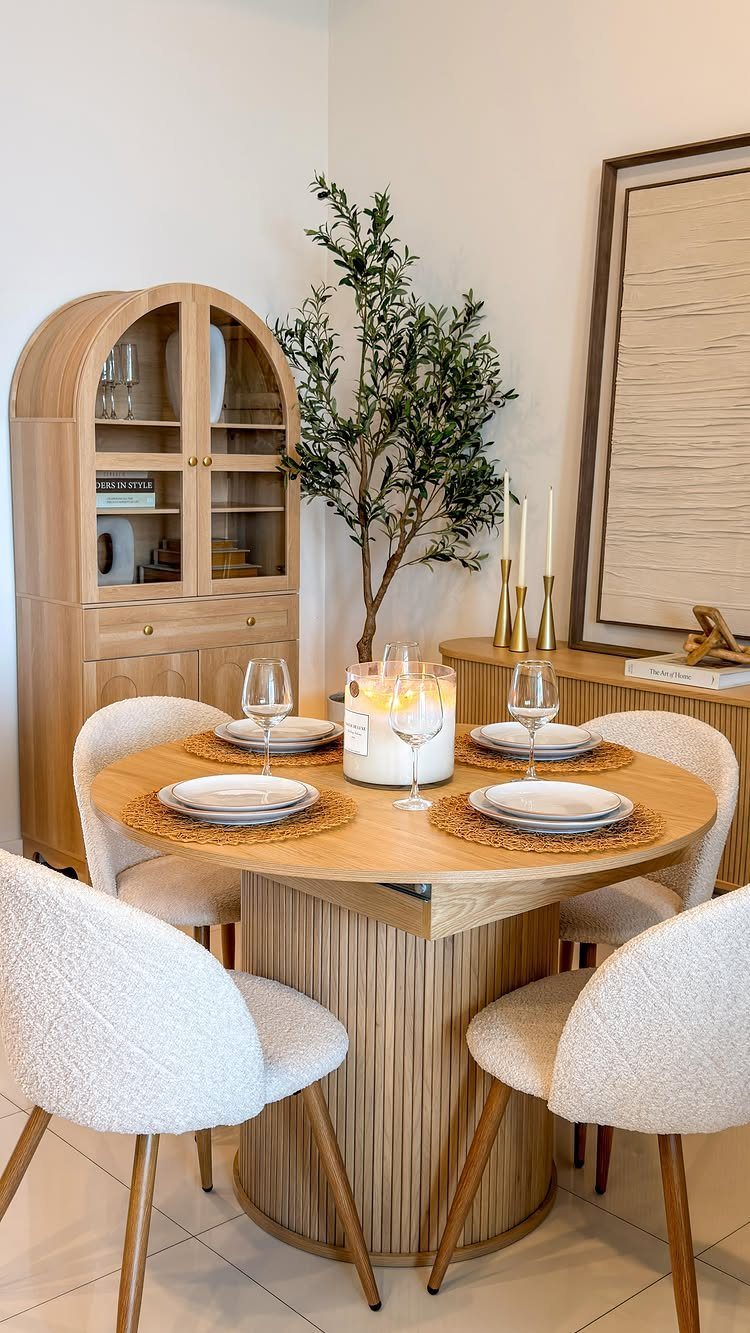
Hutches combine open shelves on top with closed drawers or cabinets below, giving you a place to display dishes, books or decor while hiding the things you don’t want visible.
Glass doors on the upper section keep dust off what you stored without blocking the view.
The tall profile works when you need a lot of storage but don’t have wall space for separate pieces. Wood finishes in oak, walnut or painted white tie into most room styles.
Leave a few inches behind the hutch so you can run cords if you add lighting inside the shelves.
Decluttering Tips
Sort through what you stored every few months and pull out anything you haven’t touched in that stretch.
A basket that holds remotes you no longer use or books you’ve already read takes up space you could hand to something current.
Rotate seasonal items in and out as the year moves forward. Throw pillows and blankets that belong to summer can leave the room in November, which opens up a drawer or basket for what you actually need in winter.
Assign each bin or basket a category and stick to it. When everything has a place, you know where to look and where to put things back, which keeps the floor and surfaces clearer between deep cleans.
Labeling Storage
A label on the front of a bin or basket tells you what’s inside before you pull it off the shelf or open the lid.
I write the category on painter’s tape or a stick-on label and press it where I can read it at a glance.
Clear bins let you see the contents, but a label still helps when bins stack or sit on a high shelf where you can’t look inside easily.
For holiday storage, mark each bin with the holiday name and the room it goes in.
That cuts down on unpacking boxes to find the one thing you need, and you can grab what belongs in the sitting room without sorting through kitchen or bedroom decor first.
Multi-Purpose Room Organization
A bookshelf turned perpendicular to the wall splits a room into 2 zones without blocking light or making either side feel closed off.
The open shelves give you storage on both faces, so you can reach books or bins from the sitting area and the workspace behind it.
Furniture that works for more than one use keeps you from crowding the room with separate pieces.
A console table holds a lamp and decor when guests sit on the sofa, then becomes a desk when you need a flat surface for a laptop.
Portable bins that close with a lid can hold work supplies during the day and slide under a console or into a cabinet when you’re done, which lets the room shift back to a sitting space without leaving papers or chargers in view.
Frequently Asked Questions
How to create more storage in a living room?
Mount shelves on the walls to pull storage off the floor, and choose furniture that hides things inside.
A console table with a drawer, an ottoman with a lift-top, or a media cabinet with compartments turns pieces you already need into storage without adding clutter. Wall-mounted cabinets and floating shelves use vertical space that would otherwise stay empty.
What are some ideas for organizing my room?
Assign each basket or bin to one category so you know where things go and where to find them later.
Label the front of bins that sit on shelves or stack, and rotate seasonal items out of the room when you don’t need them.
Regular sorting keeps you from storing things you no longer use, which frees up space for what you actually reach for.






