
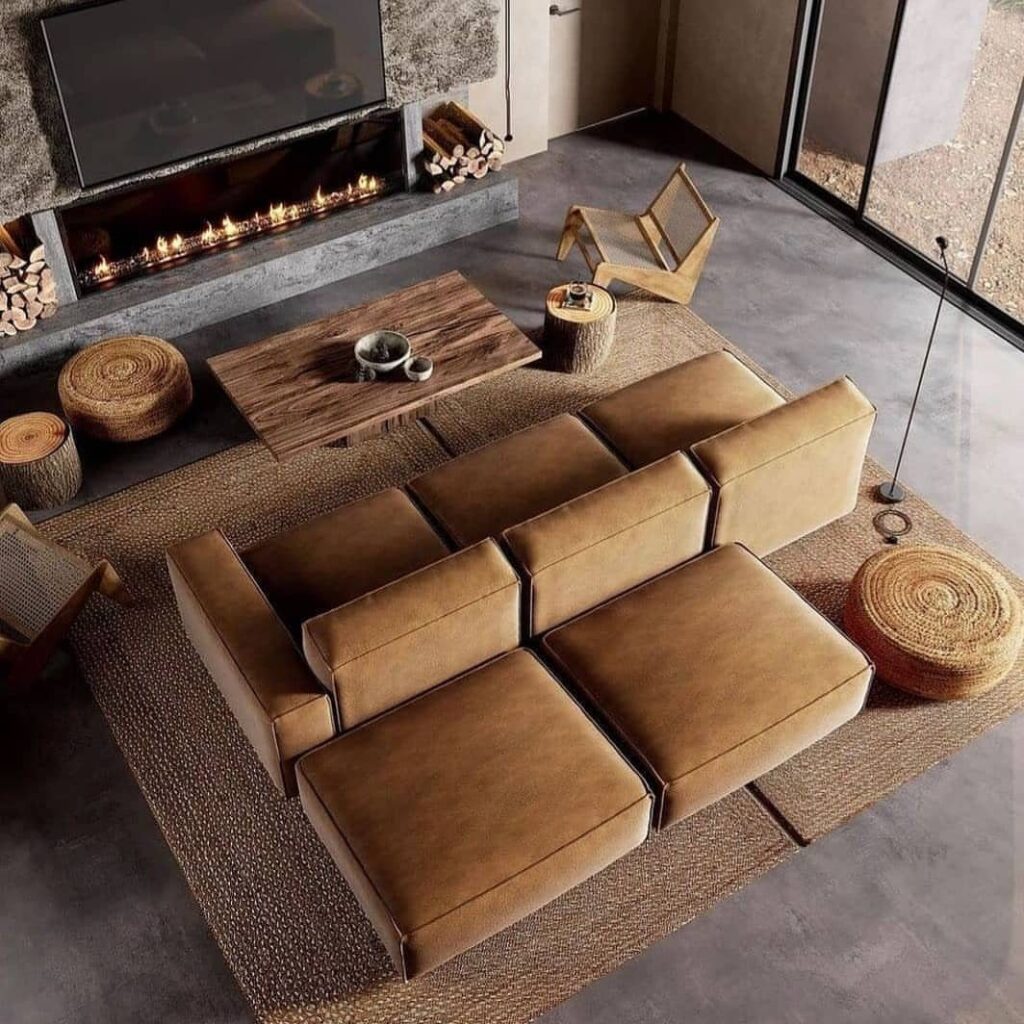
2 sofas let you shape a layout that pulls people into conversation instead of lining them up along a wall.
If you’re working with a square living room, an L-shaped sectional keeps the center open and prevents one end from feeling empty.
Start by deciding whether you want the symmetry of a matched pair or the texture that comes from pairing different materials at the same scale.
1. L-Shaped Sofas
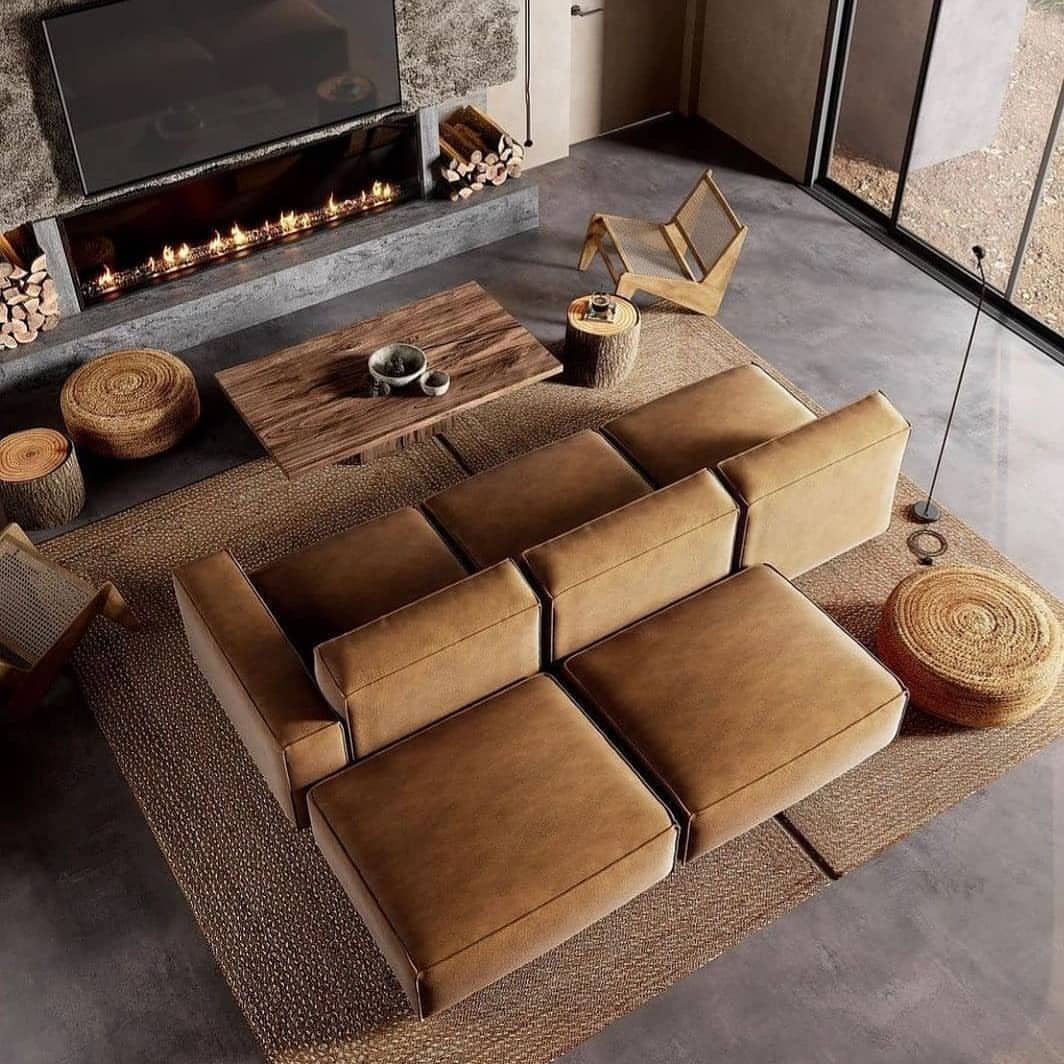
An L-shaped sofa fills a corner and leaves the center of the room open. That makes it easier to walk through the space, and you get more seating without blocking sightlines to a fireplace or windows.
If you’re working with a sectional that comes apart, place the longer side against your main wall and the shorter return perpendicular to it. Modular pieces let you adjust the length on each side to fit the room.
I like this setup in a square living room where a single long sofa would leave one end feeling empty.
2. Sofas Facing Each Other
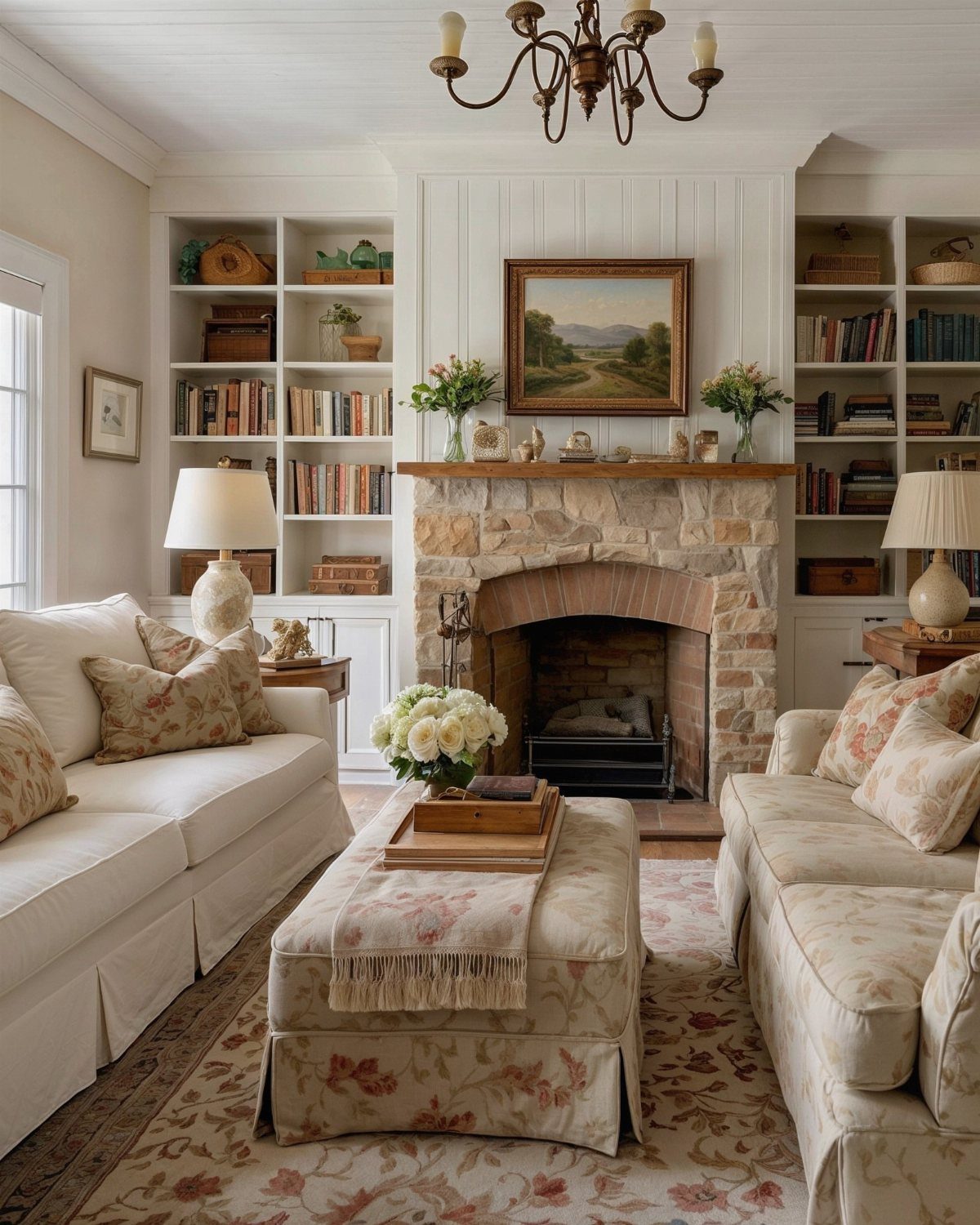
Place 2 sofas directly across from each other and you create a natural conversation zone.
The layout works best when you have enough space to walk behind at least one of them, so you’re not climbing over cushions to reach the kitchen or hallway.
A coffee table or ottoman between the 2 anchors the arrangement and gives everyone a place to set a drink. Leave clearance between the sofa fronts and the table so people can sit down comfortably.
This setup suits a room with a fireplace or large window on one end, since the sofas frame the view without turning their backs to it.
3. Maximize the Large Living Room Layout
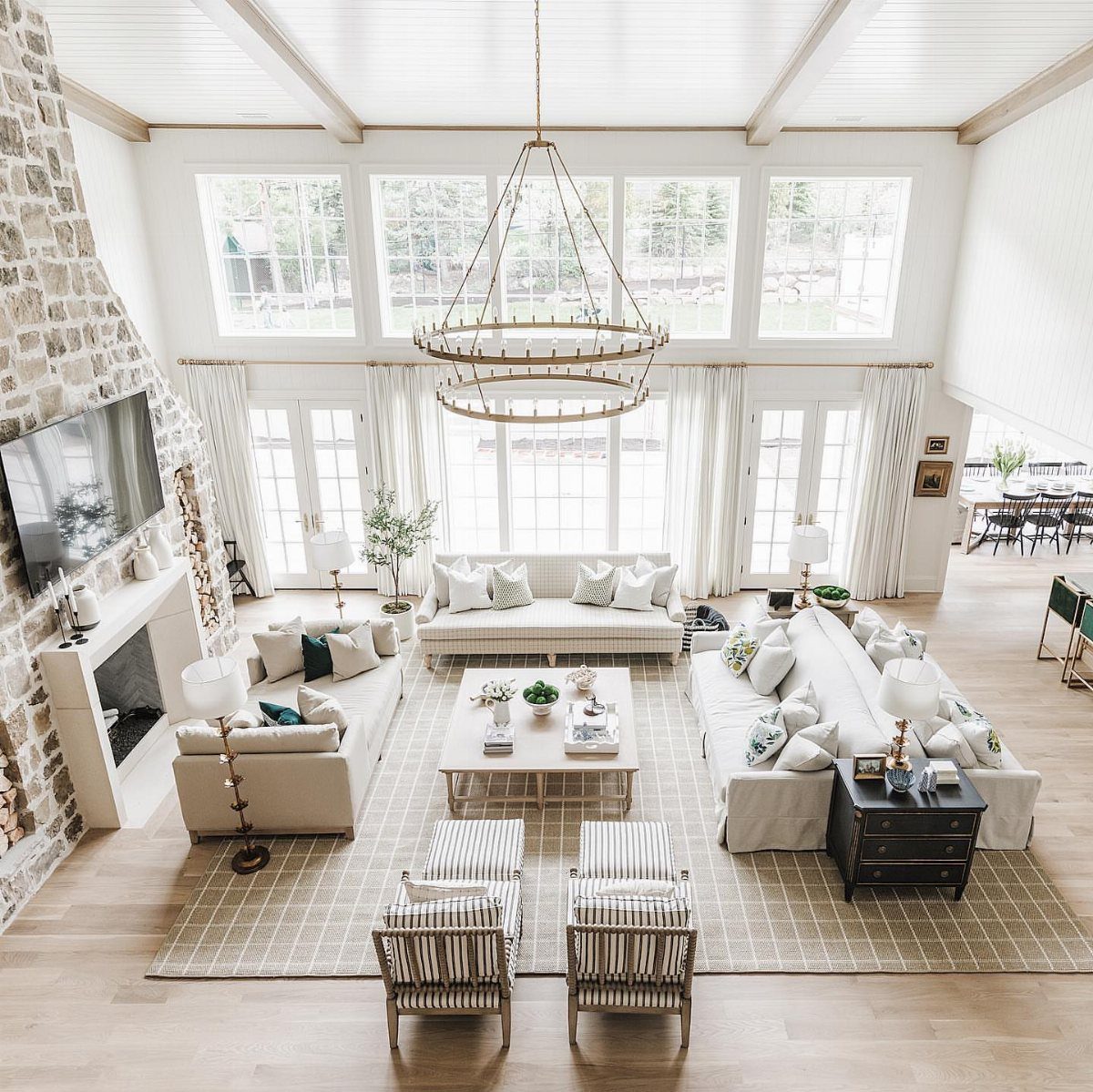
When you have the square footage, add a third sofa or a pair of chairs to build out the seating.
Orient everything toward a focal point like a fireplace, a large window, or a media console, so the arrangement feels intentional instead of scattered.
I start by placing the longest sofa facing the focal point, then position the second sofa perpendicular to it. The third piece can mirror the second or float behind the main sofa to define separate zones.
Leave at least 3 feet of walkway around the furniture so the room still feels open.
4. U-Shaped Arrangement by the Fire
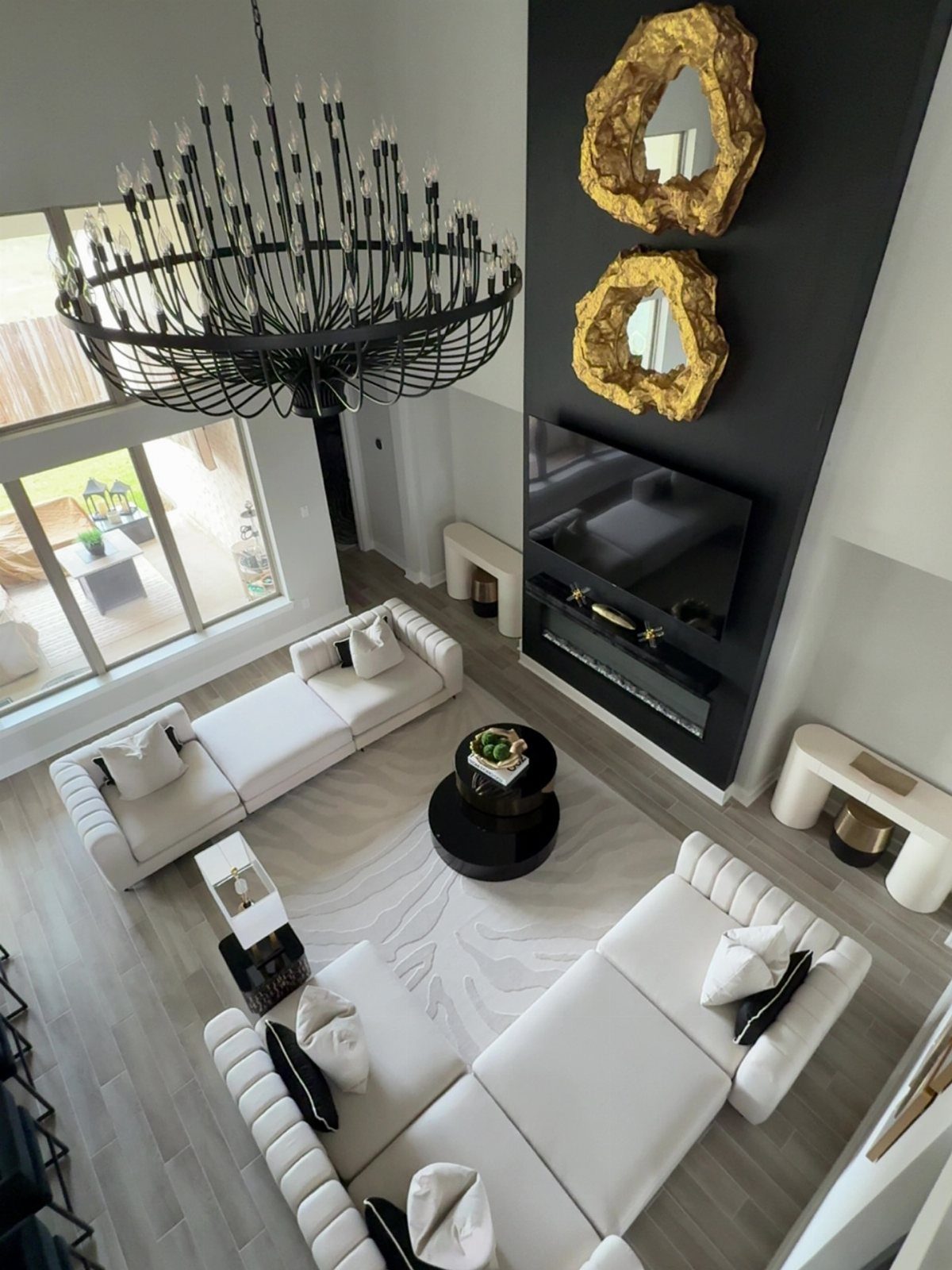
A U-shaped arrangement wraps 2 sofas and a chair or loveseat around a coffee table, with all 3 sides facing inward. The setup naturally draws people together and pairs beautifully with a fireplace or media wall.
Position the 2 longer sofas on opposite sides, leaving the shorter piece to close off the open end. You get a contained seating area that feels separate from the kitchen or entryway, even without walls.
I reach for this layout when I want the living room to feel like a dedicated lounge rather than a pass-through space.
5. Matching Sofas
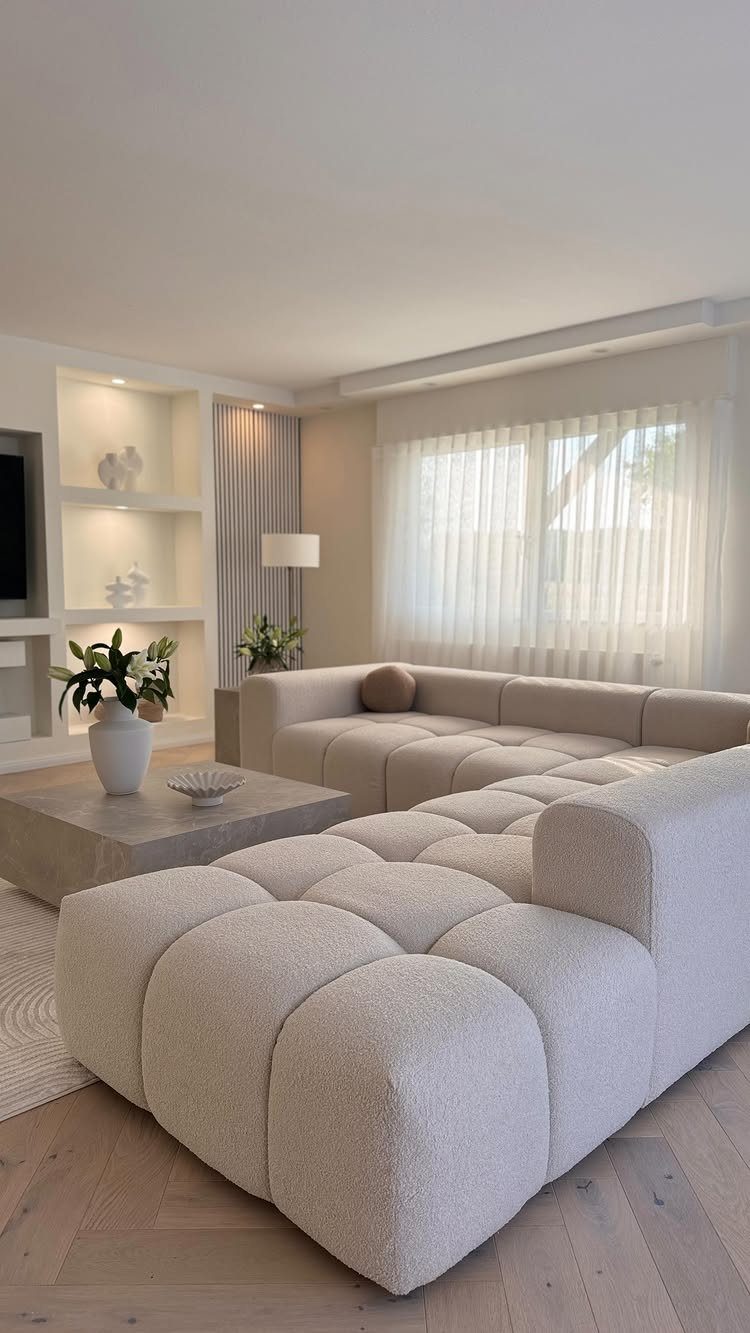
Matching sofas give the room a pulled-together look without much planning. Pick the same frame, fabric, and cushion style for both, then place them facing each other or at right angles depending on your layout.
The symmetry makes the space feel calm and intentional, and you don’t have to worry about whether different pieces will clash. I like this approach in a modern or minimalist room where too much variety would feel busy.
If you’re buying new, ordering both at once means the fabric and finish will be an exact match.
6. Mix and Match Sofas
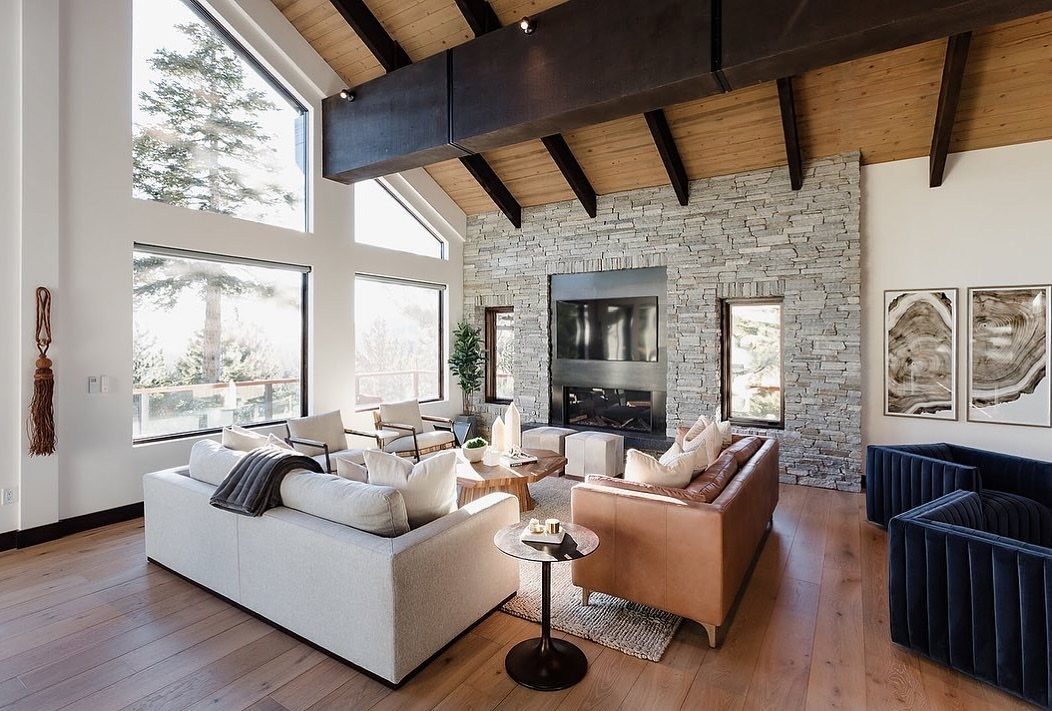
Pairing 2 sofas in different materials or colors adds depth to the room and gives you more flexibility if you’re working with pieces you already own.
A fabric sofa and a leather one can sit side by side without looking mismatched, as long as the scale and style line up.
I keep the arm height and seat depth similar so the sofas feel like they belong in the same space.
If the frames are very different, I tie them together with matching throw pillows or a rug that pulls in both colors.
This works well when you want the room to feel collected over time rather than bought all at once.
7. Curved Sofas Layout
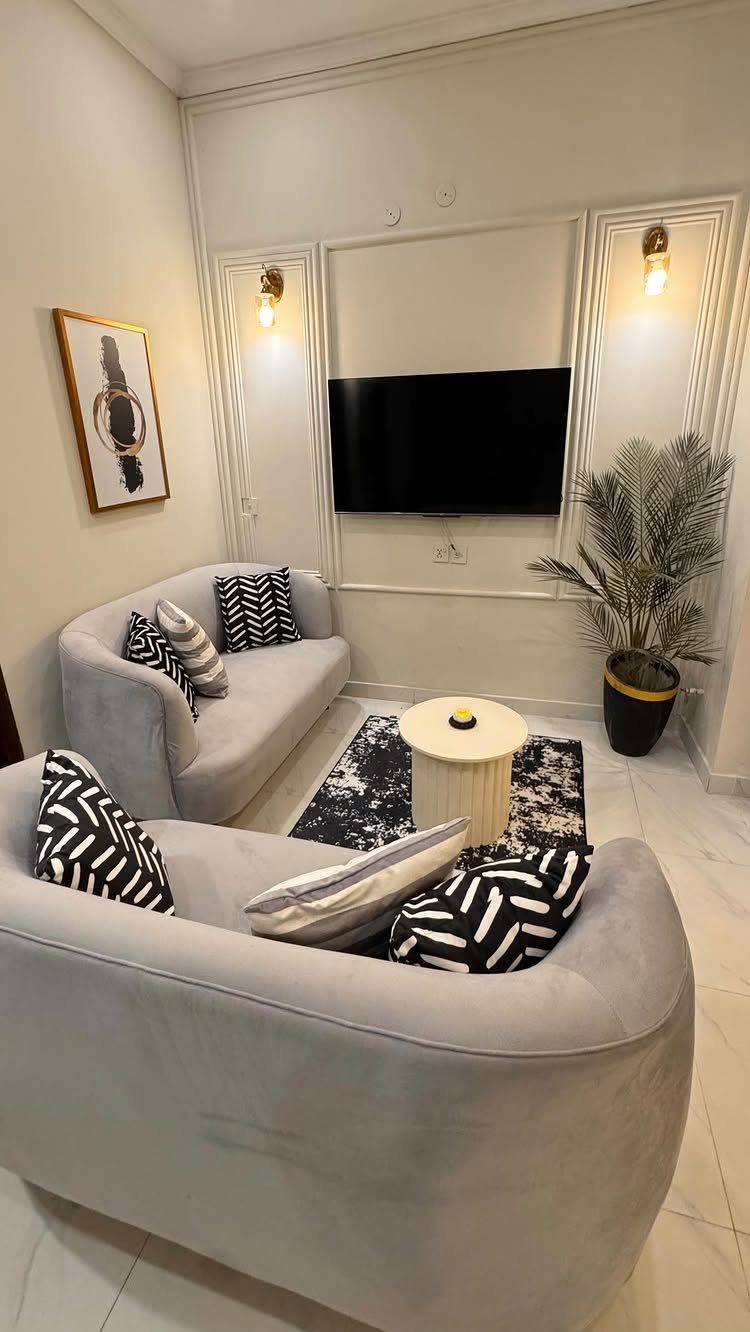
Curved sofas soften the geometry of a square or rectangular room and guide the eye through the space instead of stopping it at hard edges.
When you use 2, place them facing each other or angled slightly inward to frame a round coffee table or ottoman.
The curves work best with other rounded pieces. A circular rug or a drum-style side table reinforces the look without competing for attention.
I reach for this layout when the room has straight walls and sharp corners that could use some visual relief.
8. Bubble Modular Sofas
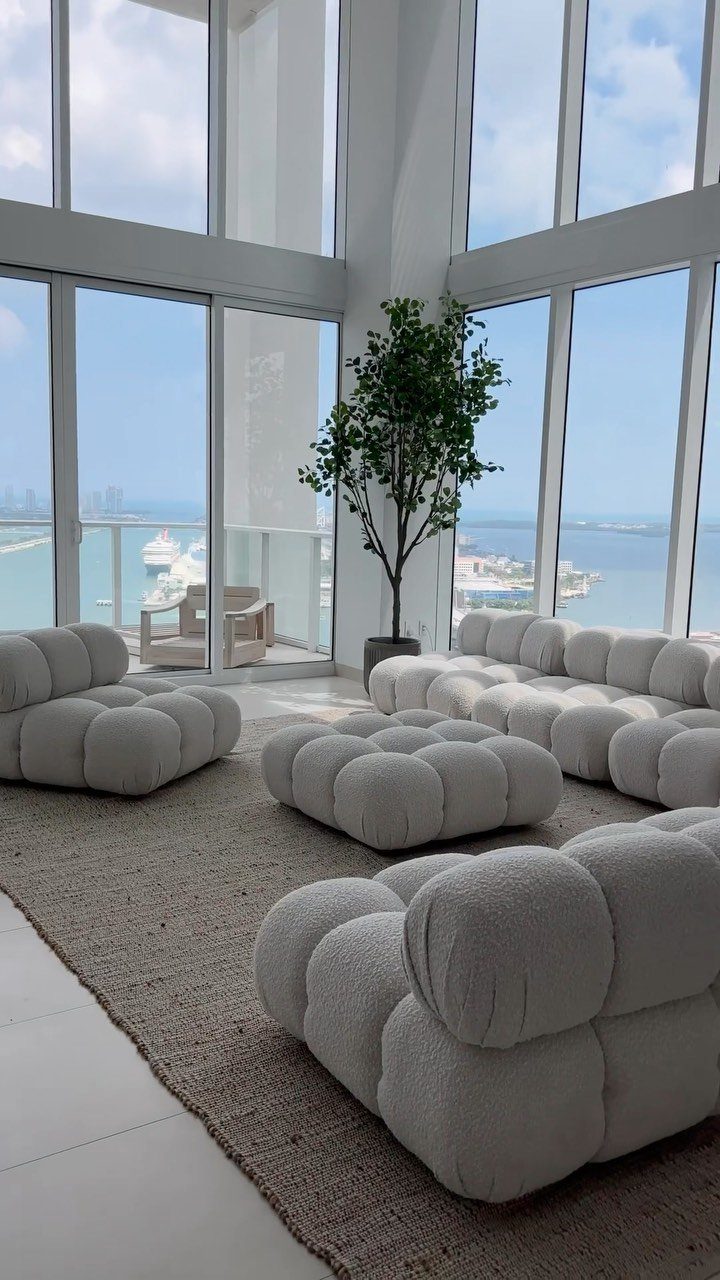
Bubble-textured modular sofas break up into individual seats you can rearrange as the room demands. Order 2 sets and group them loosely around a low coffee table, or separate them into smaller clusters if you’re working with an open floor plan.
The sculptural profile makes the pieces feel like furniture and art at once, so everything else in the room can stay simple. A neutral rug and minimal side tables let the sofas hold the focus.
This setup suits a bright room with high ceilings or big windows, where bold shapes won’t overwhelm the space.
Benefits of Two Sofas
Placing them opposite or perpendicular to each other creates a contained conversation area where people can talk without raising their voices across a wide room.
2 shorter pieces fill the space more evenly and make the layout feel deliberate.
In a small living room, 2 sofas can actually make the room read larger. The negative space between them keeps the center open, and the eye moves through the room instead of hitting one heavy mass of furniture.
You also get flexibility: rearranging 2 pieces takes less effort than reconfiguring a sectional or replacing a single statement sofa.
Identical vs Different Sofas
Identical sofas bring symmetry and a calm, formal look.
When both pieces share the same frame, fabric, and color, balance arrives with almost no work. This approach works best in a traditional living room where consistency matters more than contrast.
If one sofa sits much higher, has a towering back, or comes in a completely unrelated shape and color, the mismatch will feel structural rather than intentional.
Keep the height and profile similar.
A low, leggy frame next to a tall, overstuffed piece usually looks wrong. A single difference in fabric or color is manageable; clashing height, style, material, and shape all at once usually means one sofa needs to go.
Spacing Between Sofas
That clearance between 2 sofas also keeps the arrangement from feeling cramped when both sofas are occupied.
If you’re using a coffee table, place it about 16 inches from the front edge of each sofa.
That gives enough room to reach a drink or a book without stretching, and people can sit down without their knees hitting the table edge.
Route foot traffic around the seating group rather than through the middle of it, and keep the main walkway clear of table corners or low ottomans.
Frequently Asked Questions
How far apart should two couches be?
The gap gives people space to talk without raising their voices.
What are the best color combinations for different sofas?
Pick colors with related undertones so the contrast looks deliberate rather than accidental.
Warm tan sits well next to cream, camel, or rust; cool charcoal takes blue-gray, navy, or white. 2 beiges that sit too close in tone look like a mistake rather than a deliberate pairing.






