
A dimmer switch and a jute rug both cost under $50, while LED strip kits and pendant clusters can run over $200 depending on how many fixtures you need.
1. Dimmer Switch
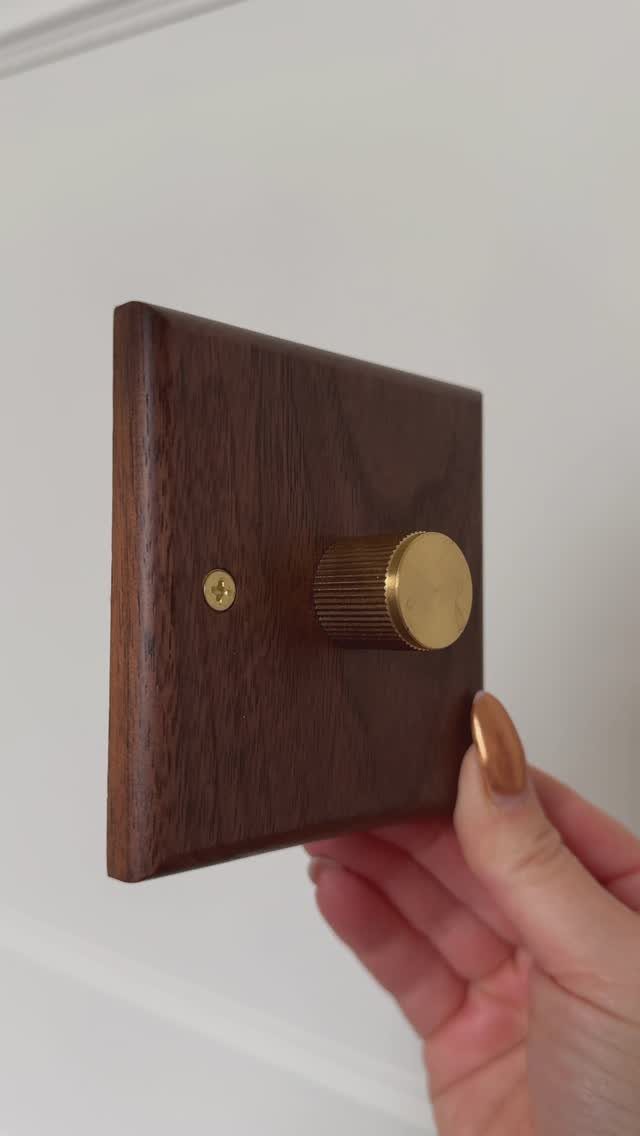
A dimmer switch lets you control how bright a room feels at any moment, and most install with a screwdriver and wire nuts.
The rotary dial gives you finer control than a slider, and a wood plate with a brass knob adds warmth that a plastic toggle never will.
Most dimmers work with standard incandescent and halogen bulbs. If you run LEDs, check the box for compatibility or you’ll get flickering at low settings.
2. Wood and Fabric Decor
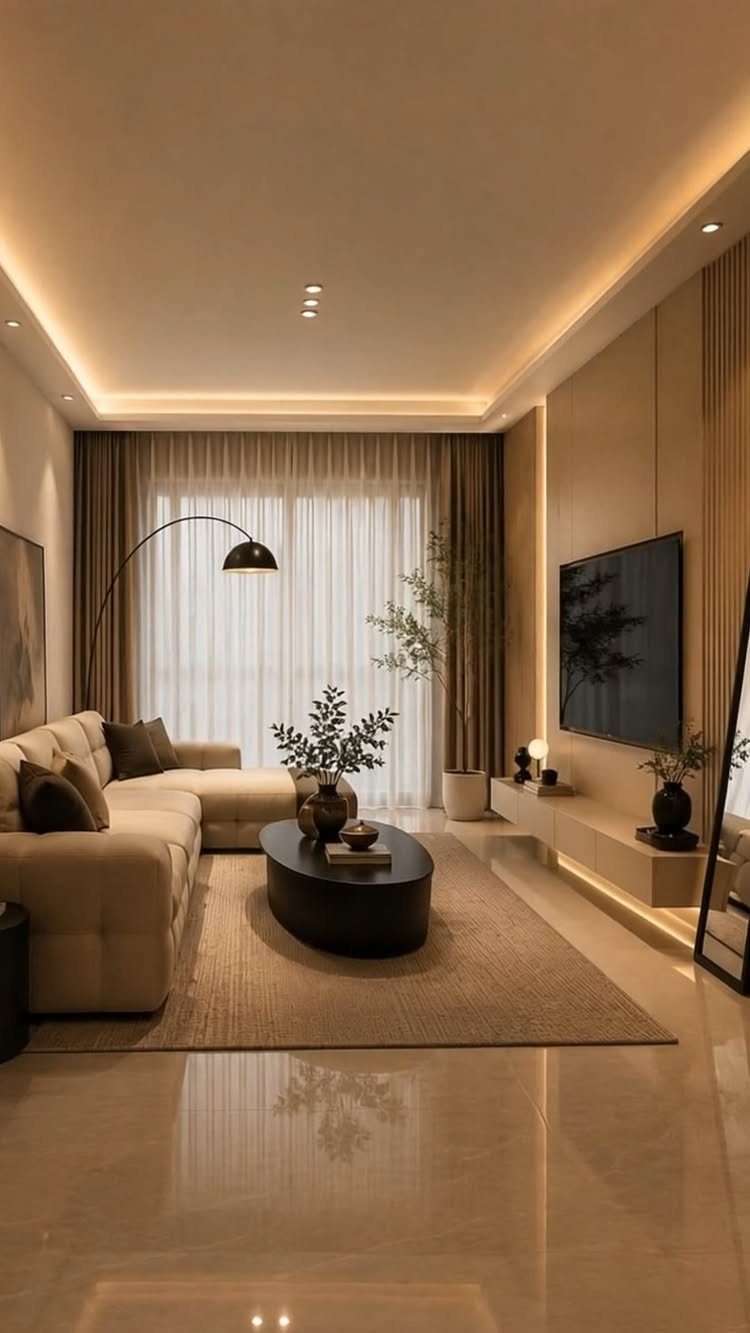
Vertical wood slats on the wall bounce light back into the room instead of absorbing it, and the grain adds texture that keeps the space from feeling flat.
Pair them with a fabric sofa in beige or tan and you get a room that feels finished without looking overdone.
The cove lighting tucked behind the slats washes the ceiling with indirect light. That glow softens the whole room and gives you the warmth you want without glare from a visible bulb.
3. Use Candles for Ambiance
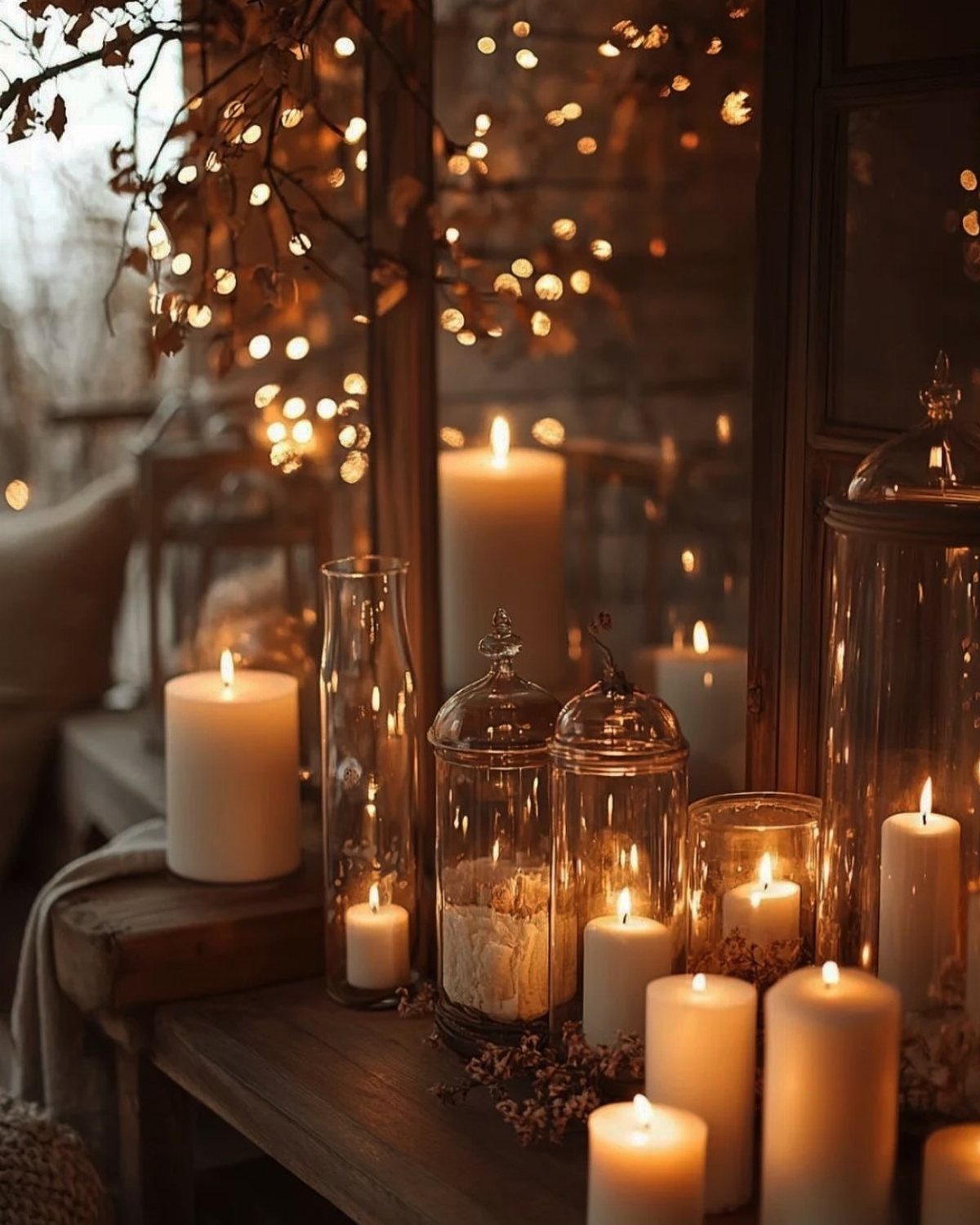
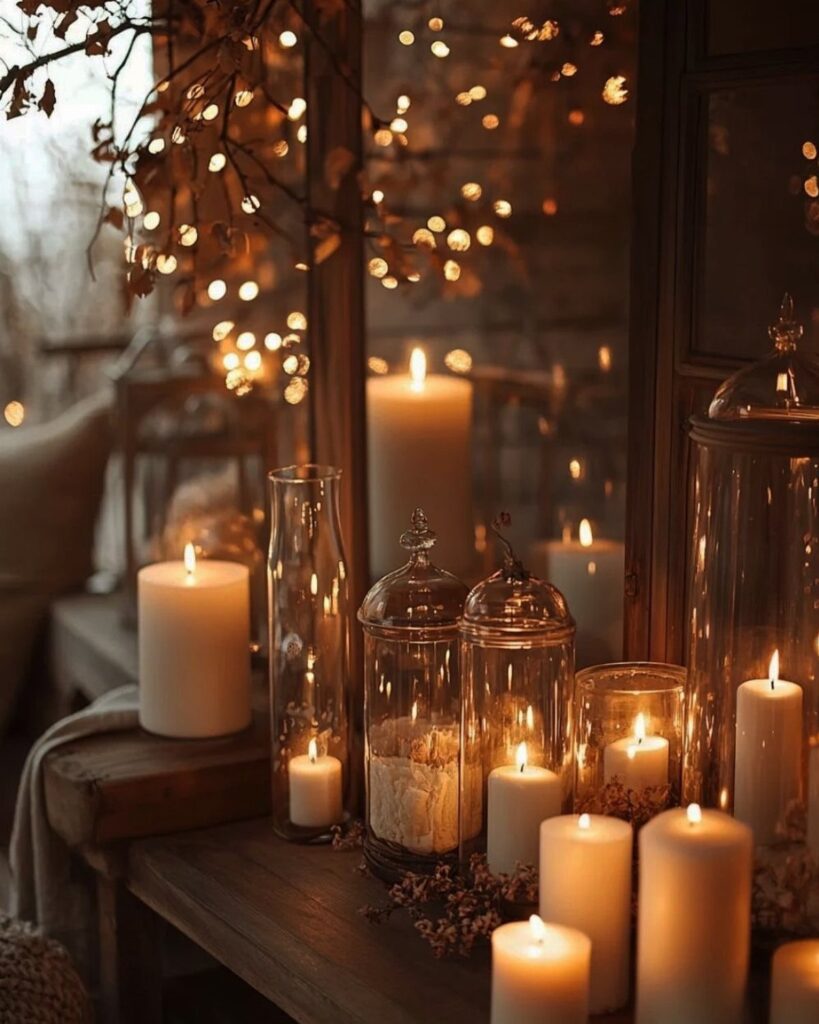
Pillar candles grouped on a coffee table or mantel give you the flicker that electric lights can’t match. The movement catches your eye without demanding attention, and the glow stays low enough to feel intimate.
Glass holders protect the flame and magnify the light.
Mix heights so the group doesn’t sit flat, and keep a few tea lights in reserve to fill gaps. Real wax gives you better light than battery-operated versions, and the scent is part of the appeal.
4. Choose Warm Lampshades
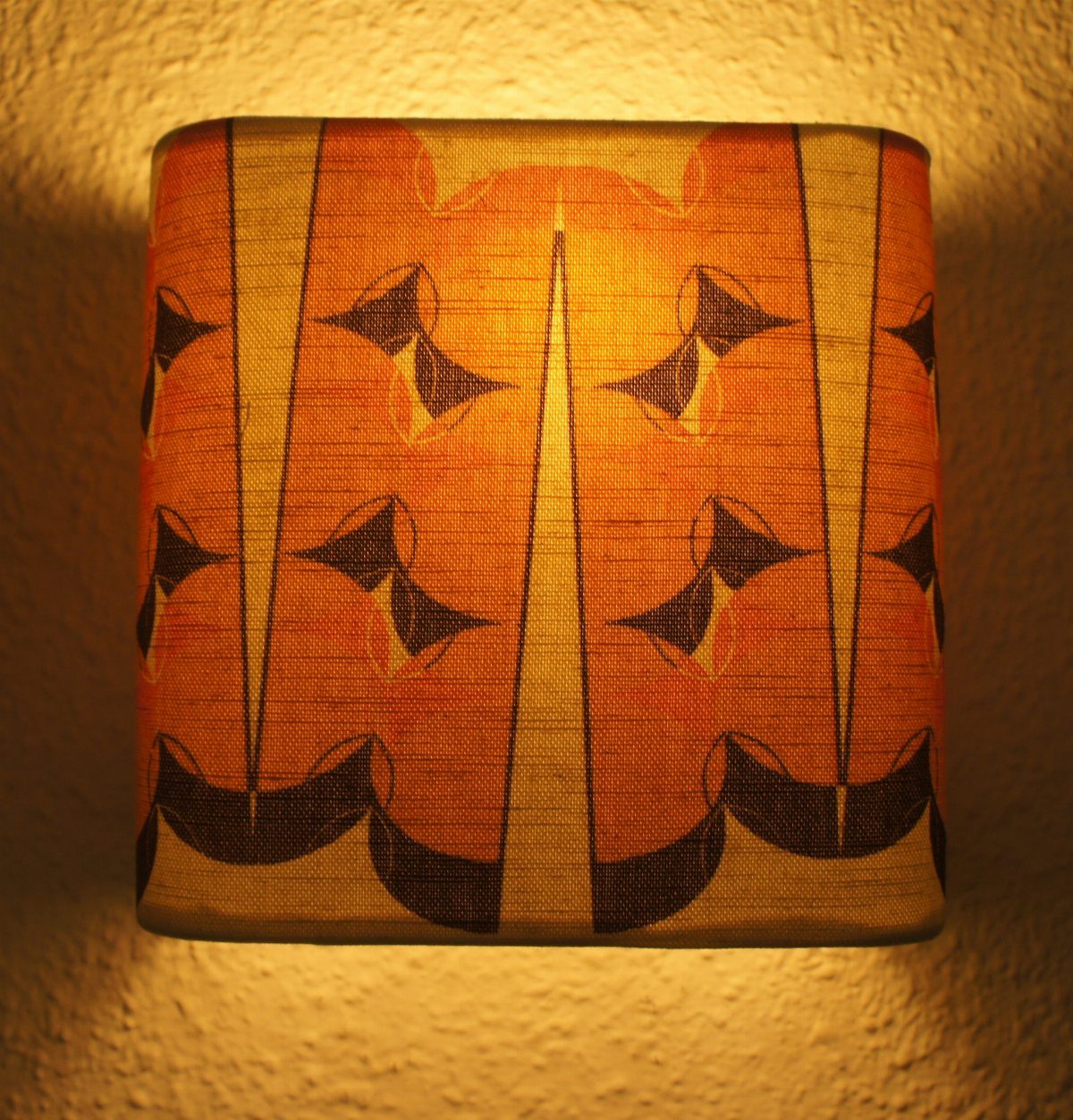
Fabric shades in warm tones filter the light on its way out, so you get glow instead of glare.
Orange, cream, and rust-colored patterns add color to the room even when the lamp is off, and the diffusion makes the light easier to sit near.
Look for linen or cotton weaves.
Synthetics can smell when they heat up, and paper shades turn brittle after a year or two. A drum shade spreads light evenly; a tapered one throws more down toward the floor.
5. Use Pendant Lights
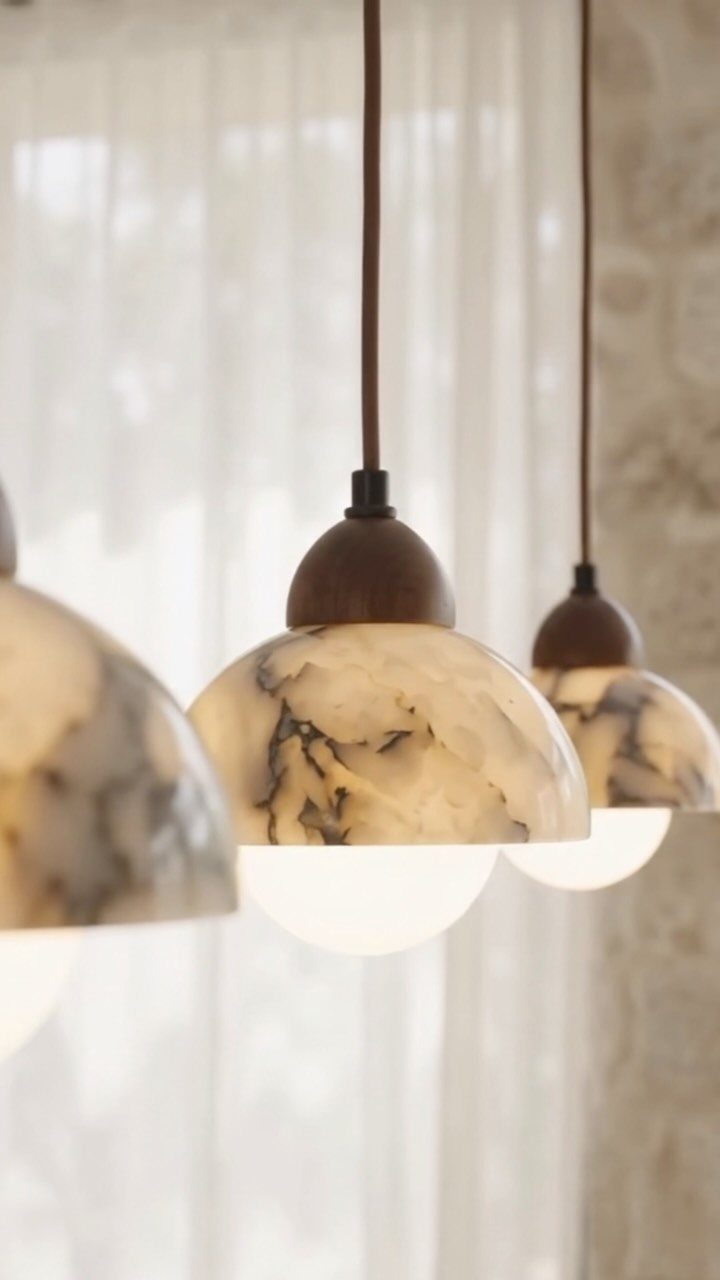
Pendant lights hang at eye level and pull attention upward, which makes a low ceiling feel higher and a large room feel anchored.
The creator describes the marbled glass as diffusing light softly, and the wood accent warms the fixture itself so it reads as decor even when it’s off.
Hang them in a cluster of 3 over a coffee table or solo above a reading chair.
Adjust the cord length so the bottom of the shade hangs well above the surface below. Too high and the light spreads thin; too low and it cuts your sightline.
6. Cozy Nooks with Floor Lamps
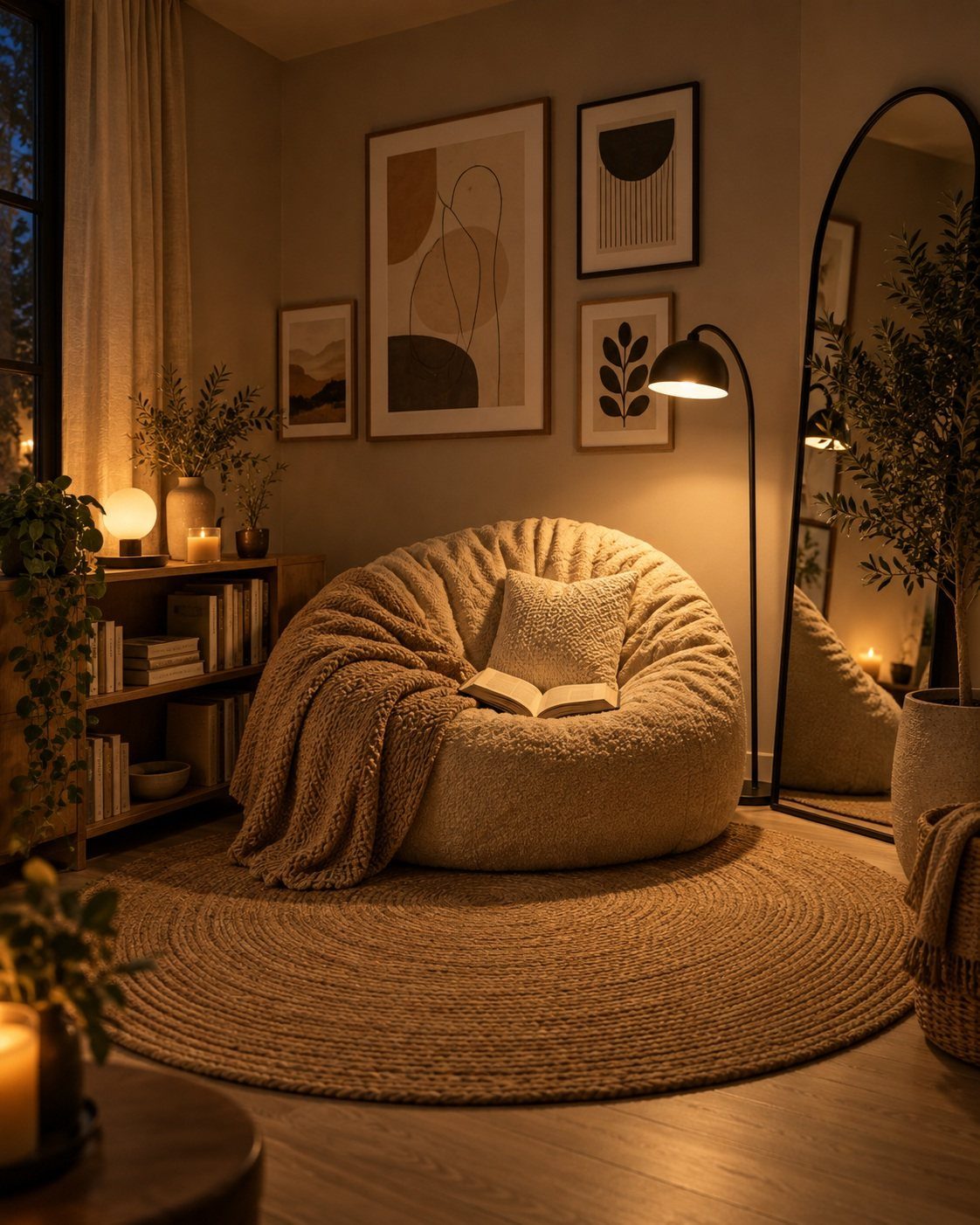
A floor lamp next to a beanbag or armchair turns an empty corner into a spot you’ll actually use.
The adjustable arm lets you aim light at the page or the wall, and the base stays out of the way so the nook doesn’t feel crowded.
Pair it with a jute rug to define the zone and a couple of throw pillows for back support.
The lamp should be tall enough that the bulb sits above your shoulder when you’re seated, which keeps the light from shining in your eyes.
7. Use String Lights

String lights draped along a shelf or woven through a garland add spots of light that feel playful rather than task-oriented.
The small bulbs glow without lighting the whole room, so they layer with your main fixtures instead of replacing them.
Battery-operated strands skip the outlet hunt, and warm white LEDs give you the glow of incandescent bulbs without the heat.
Space them a few feet apart so each bulb registers on its own, and avoid tight coils that blur into one bright mass.
8. Use Wall Sconces
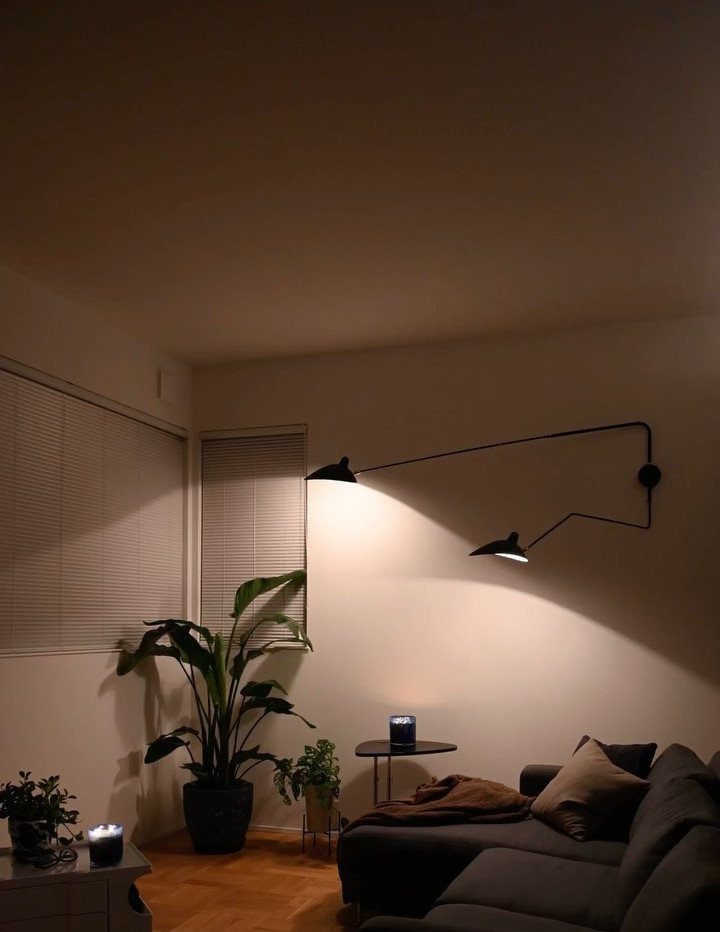
Wall sconces free up floor space and put light exactly where you need it.
A swing-arm model lets you angle the bulb toward a book or away from the seating, and the black finish reads as furniture instead of a utility fixture.
Mount them so the light hits at shoulder height when you’re seated. Wire them to a switch if you have access behind the wall; if not, plug-in versions with a cord cover keep the install reversible and the look clean.
9. Lighting Placement for Maximum Comfort
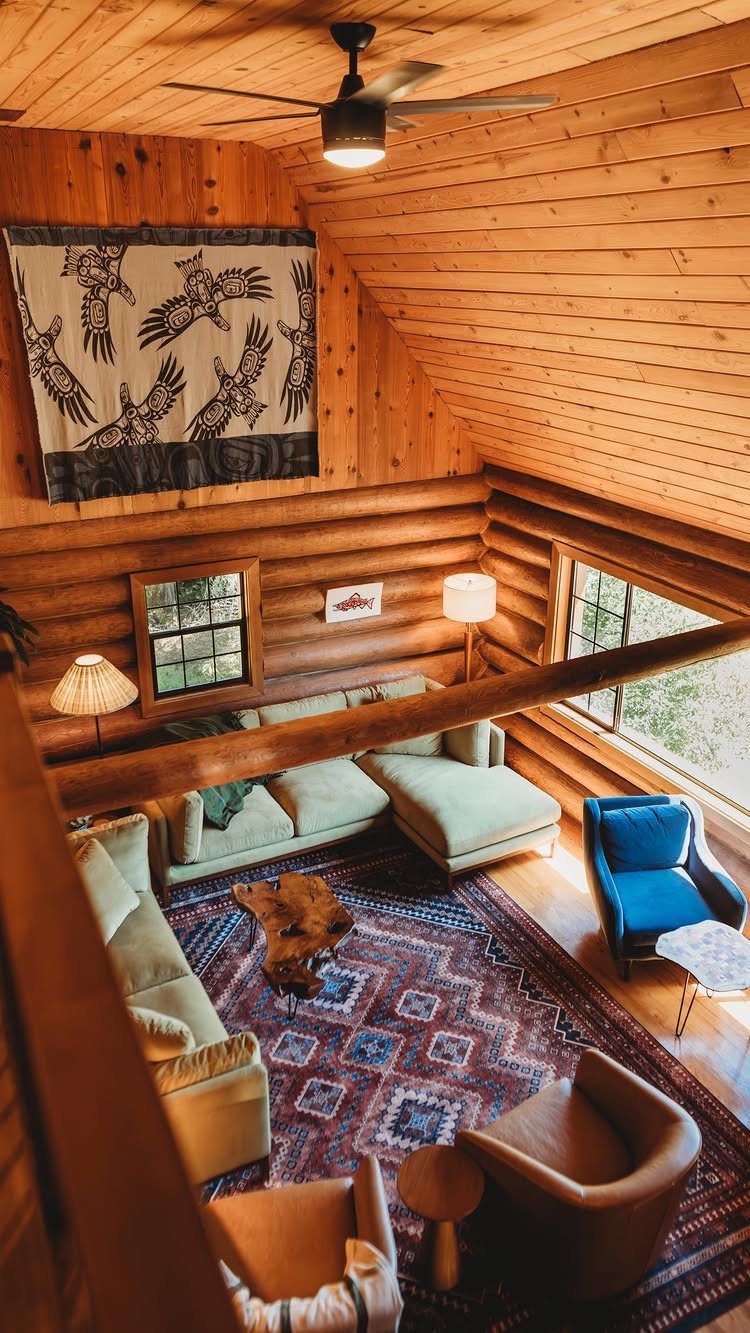
Spread your light sources around the room instead of relying on one overhead fixture. A ceiling fan light covers the center, table lamps fill the corners, and the combined glow eliminates dark pockets that make a room feel smaller.
Place one lamp near the seating and another across the room to balance the brightness. Multiple low-wattage bulbs feel softer than a single bright one, and mixing heights keeps the light from sitting flat.
10. Use LED Strip Lighting
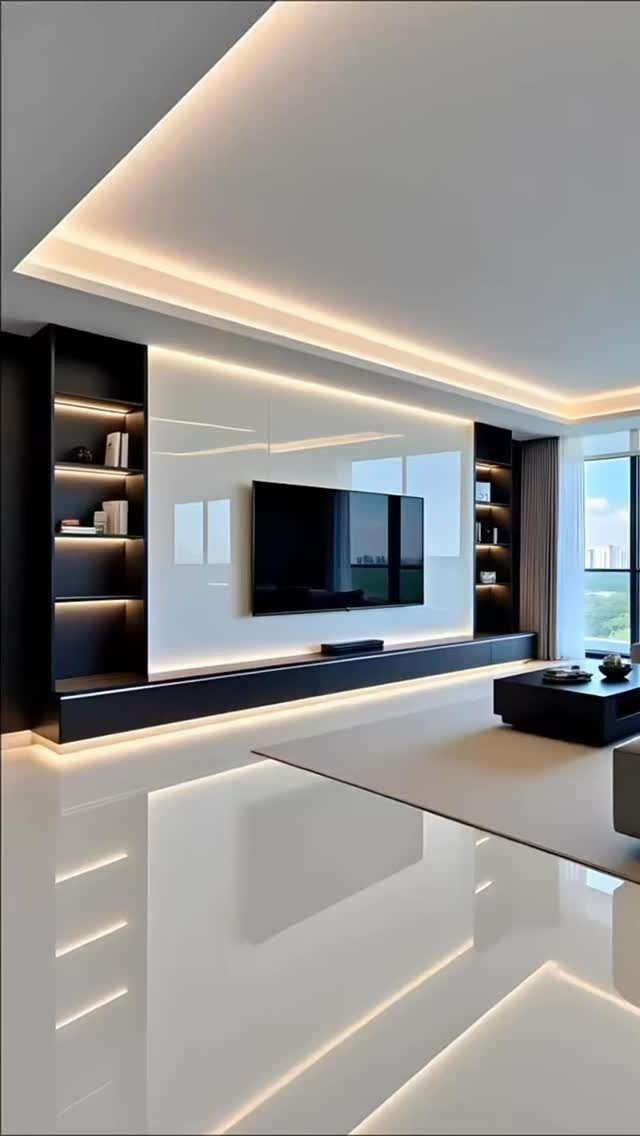
LED strips tucked behind furniture or into shelving deliver light without showing the bulb. The glow washes the wall or floor with color, and because the source stays hidden, the room feels lit from within rather than by fixtures.
Most kits include adhesive backing and a remote for dimming. Choose warm white over cool white, and run the strips in continuous lines so the light stays even.
Psychological Effects of Warm Lighting
Warm light in the 2000K to 3000K range triggers melatonin release, the hormone that regulates sleep cycles and signals your body to wind down.
That’s why a room lit with incandescent bulbs or warm LEDs feels easier to relax in than one under cool daylight-spectrum fixtures.
The glow also pulls up memories tied to low, amber light: evenings around a fire, dinner by candlelight, the lamp your parents left on in the hallway.
Those associations shape how safe and comfortable a room feels the moment you walk in.
Warm sources lower stress response compared to bright, cool overhead lighting. If your living room doubles as the place you decompress after work, swapping to 2700K bulbs in your existing fixtures changes how the space reads without touching the layout.
Importance of Lighting Placement
Bright lights mounted directly over a sofa or chair cast shadows under your brow and chin that make the space feel interrogative rather than restful.
Indirect sources that wash the ceiling or a wall soften the glow and spread it more evenly across the room.
Layering several low-output fixtures gives you more control than one central ceiling light.
Reflected light off a pale wall or ceiling diffuses the source and raises the ambient level without adding glare. That’s how cove lighting and uplights work, and why they feel gentler than a bare bulb in a downlight can.
Role of Natural Light
Daylight streaming through large windows or skylights balances artificial sources and keeps the room from feeling cave-like during the day. The natural spectrum shifts as the sun moves, which gives the space a rhythm that static electric light doesn’t.
Sheer curtains or adjustable blinds filter direct sun and cut the harsh glare that washes out colors and makes seating near the window uncomfortable.
The diffused daylight still reaches deep into the room and reduces how much you rely on lamps before evening.
Pairing natural light with warm artificial fixtures means the transition from afternoon to night feels gradual. The lamps pick up where the windows leave off, and the room stays cohesive instead of flipping from one color temperature to another.
Frequently Asked Questions
How to make room lighting warm?
Install bulbs rated 2700K to 3000K, which give you the amber glow that feels restful instead of clinical.
Install a dimmer switch and scatter several smaller lights across the space rather than depending on a single ceiling fixture. The combined effect softens the space and eliminates the harsh contrast that a single bright bulb creates.
What are some good lights for my living room?
Floor lamps next to seating, wall sconces at shoulder height, and pendant lights over a coffee table give you layered sources that light the room without glare.
Pick bulbs labeled 2700K or lower and pair them with linen or cotton shades that soften the glow. A single ceiling fixture leaves corners dark and makes the space feel flat, so place lamps where people actually sit and read.
How to warm a living room?
Swap your bulbs to 2700K and spread multiple lamps around the room instead of using one central light.
A floor lamp in the corner, a table lamp near the sofa, and string lights along a shelf create depth that a single overhead fixture can’t match.
The layered glow eliminates dark pockets and makes the room feel lived-in without adding furniture or paint.






