
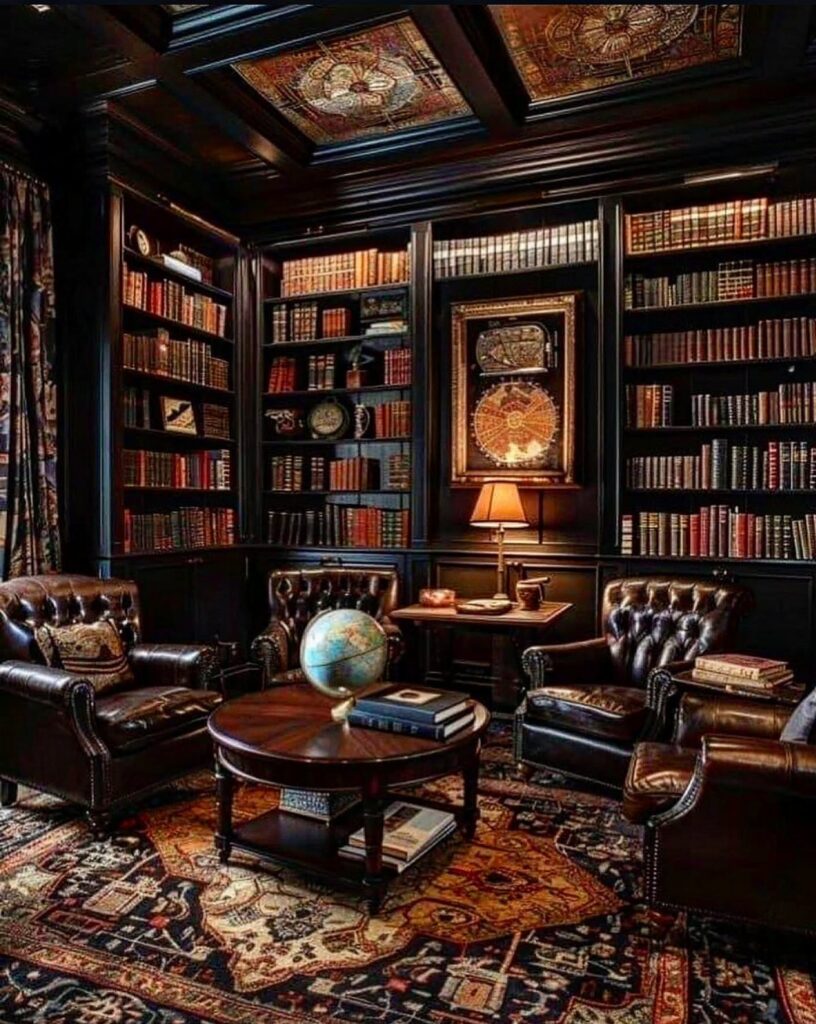
A dark academia living room runs from a single floor-to-ceiling bookcase and a tartan throw on the sofa to a full renovation with forest green walls, vintage leather chairs, and Persian rugs layered over wood.
The choice comes down to how much the room already holds: if the furniture and palette are in place, decorative pieces like antique globes and framed artwork finish the look, but if the walls are light and the seating is modern, you need dark moody paint and richly stained wood furniture first.
1. Warm Layered Lighting
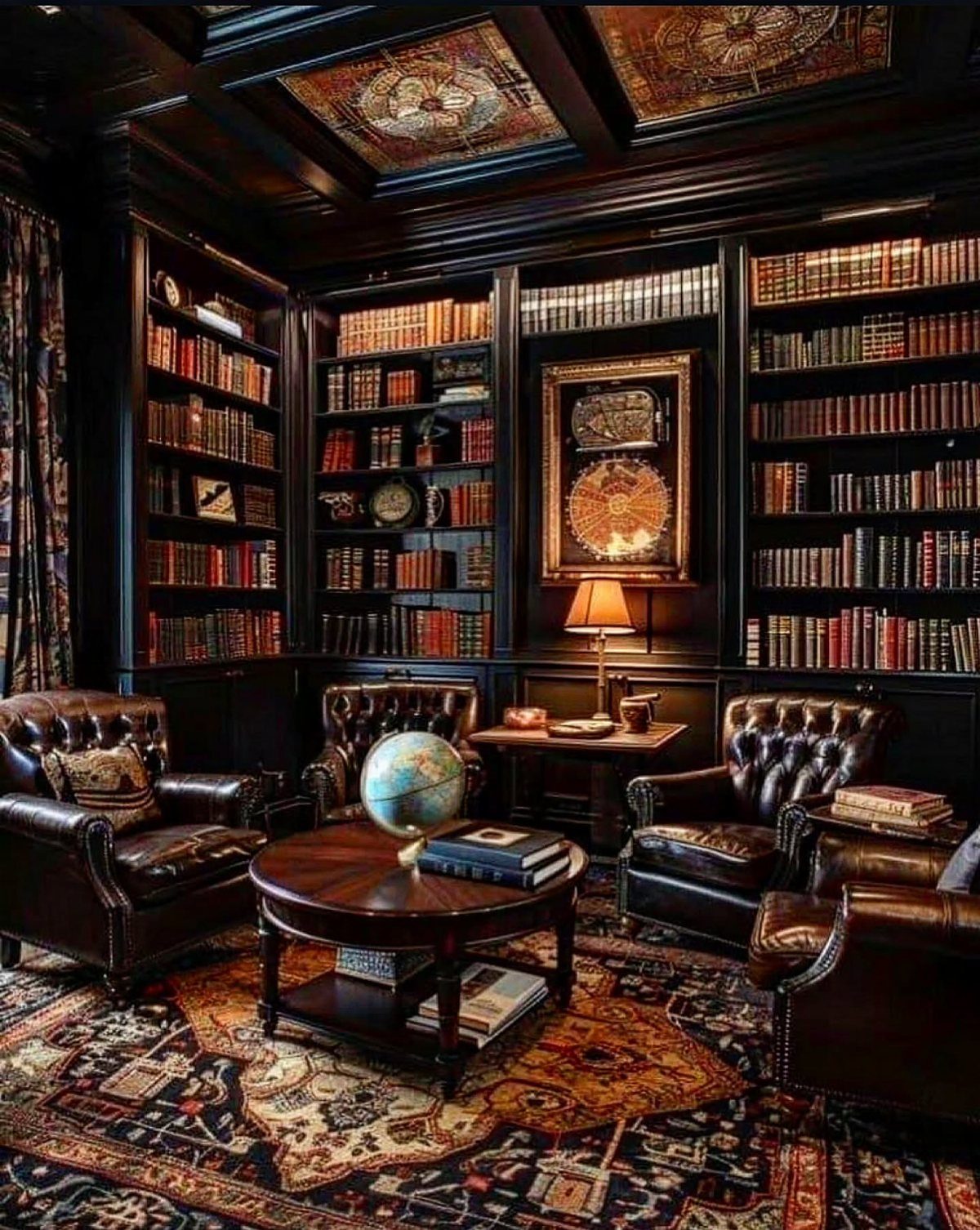
Multiple light sources at different heights soften a dark room without washing out the mood.
Table lamps with warm bulbs sit on side tables or shelves, while a floor lamp fills a corner. Wall sconces or recessed shelf lighting add depth.
A single overhead fixture flattens the space. Layering light instead lets you control how much of the room shows at once, which keeps the atmosphere close and focused rather than bright and open.
2. Richly Stained Wooden Furniture
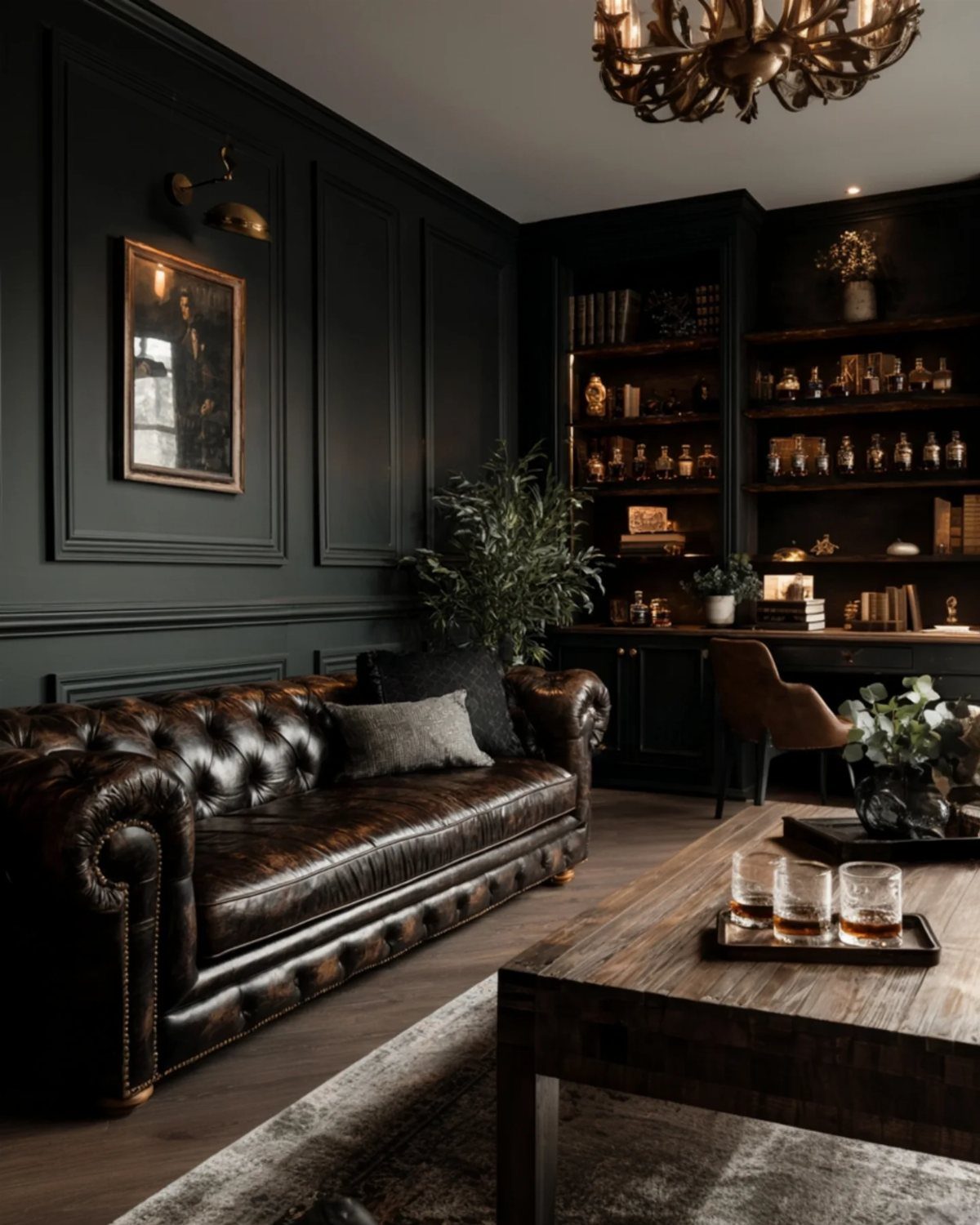
Deep walnut or espresso finishes on coffee tables, side tables, and shelving anchor the look without competing with upholstery or walls.
The grain shows through, so solid wood or wood veneer both work as long as the stain runs dark and even.
Pine or oak stained dark costs less than walnut but delivers the same weight. A clear topcoat protects the finish from rings and scratches, which matter more on a coffee table than on a bookshelf.
3. Floor-to-Ceiling Bookcases
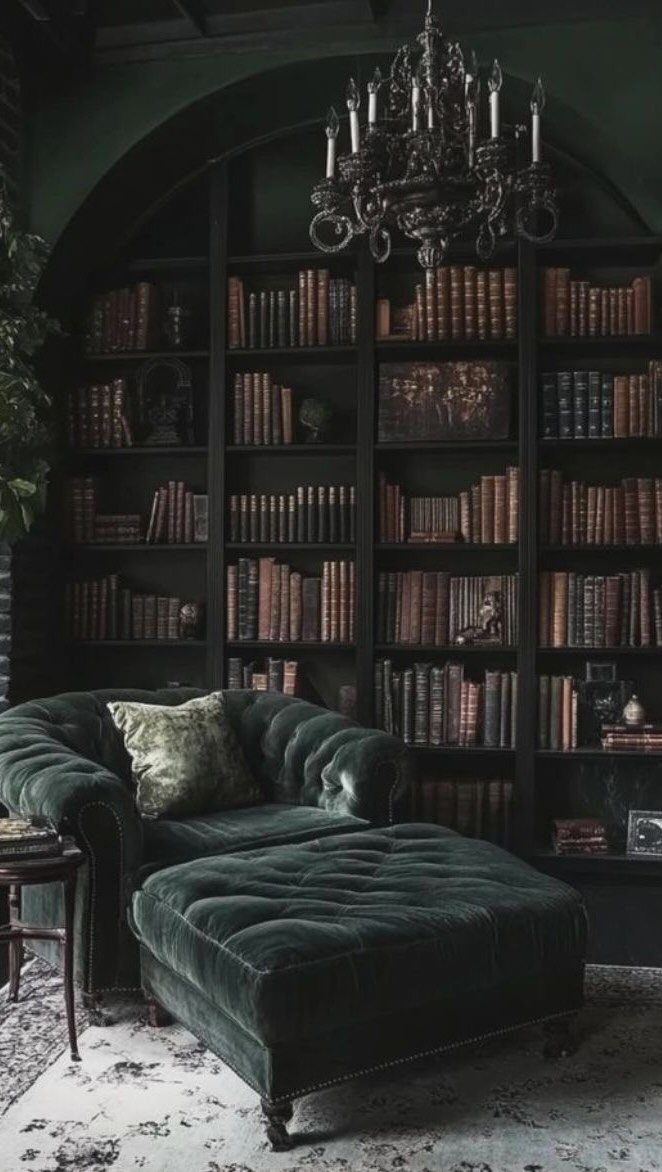
Built-in shelving that reaches the ceiling turns a living room into a library. If the room has the wall space and the height, floor-to-ceiling cases hold more books and make the room feel taller.
Freestanding bookcases work when built-ins are out of reach.
2 tall units placed side by side fill a wall, and anchoring them to the wall keeps them stable when loaded. Dark paint or stain on the shelves matches the furniture and frames the spines.
4. Dark Moody Colors
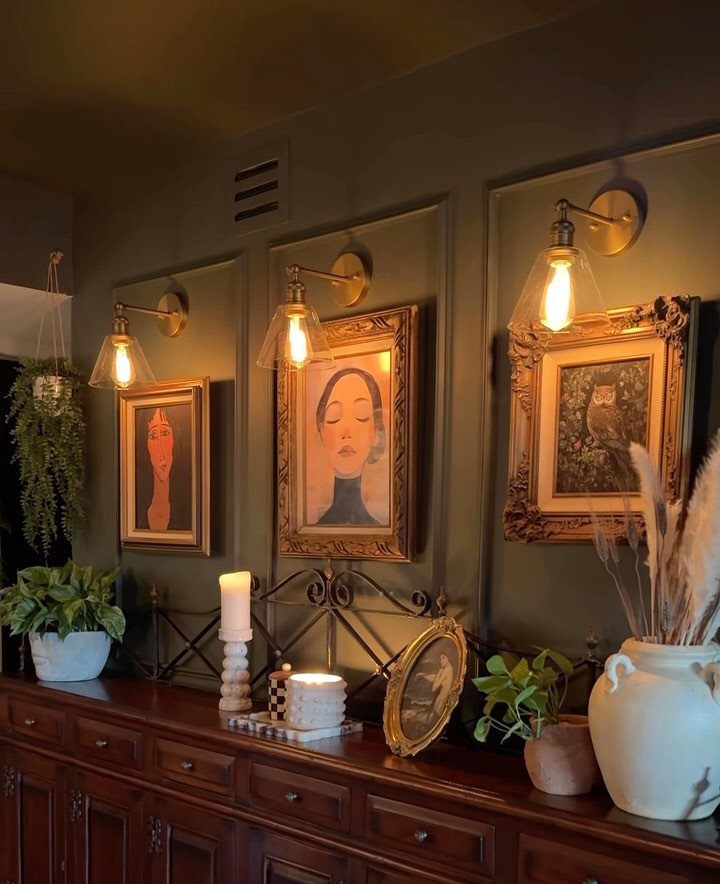
Forest green, charcoal, deep burgundy, or near-black navy set the tone before anything else goes in. Walls in these colors absorb light, so the room stays dim even with lamps on.
A single accent wall works if painting the whole room feels like too much.
Pair it with lighter walls in taupe or gray to keep the space from closing in. Matte or eggshell finish hides imperfections better than satin and reads less modern.
5. Vintage Leather Chairs
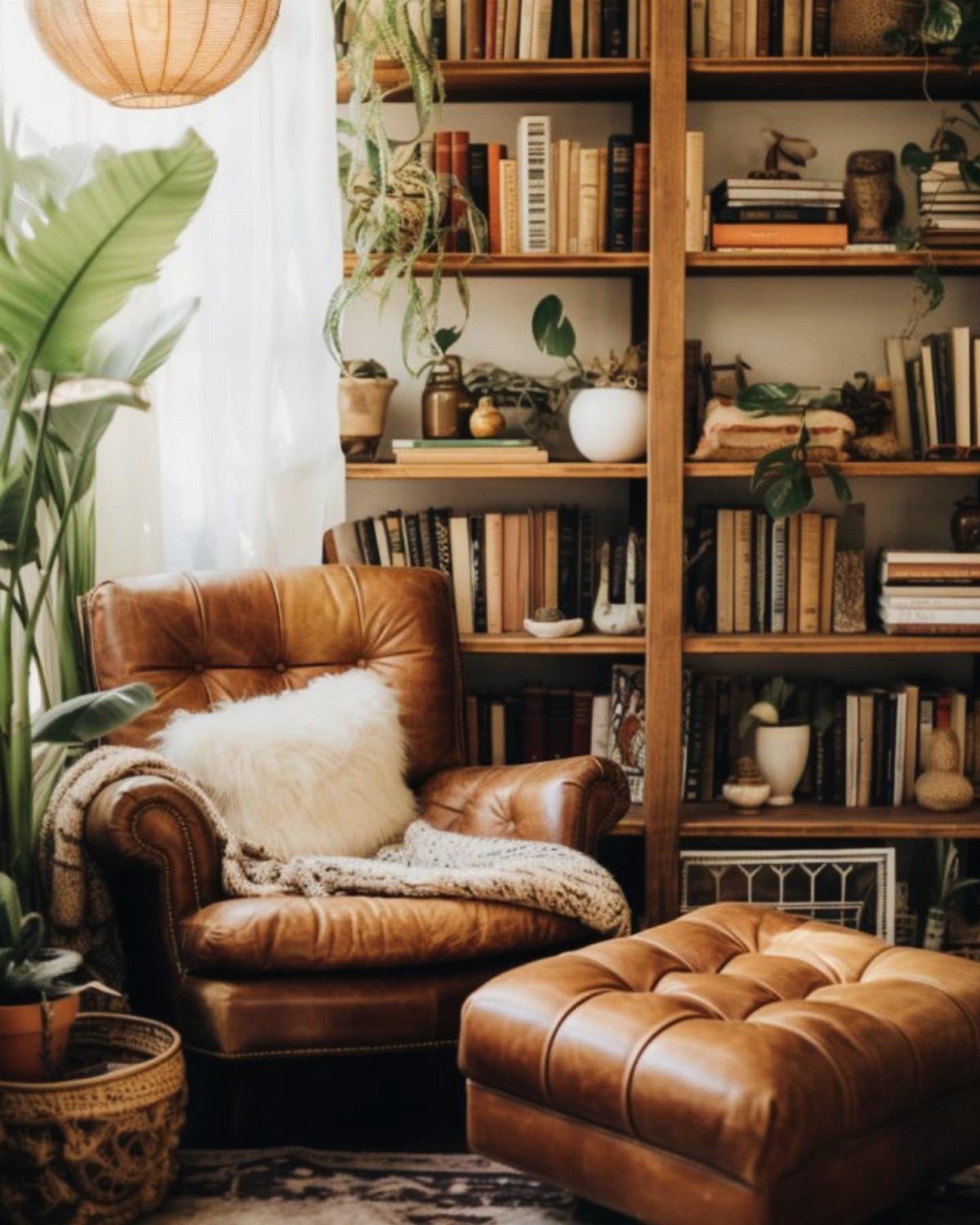
Worn brown leather with tufting or nailhead trim looks like it came from an old study. The patina on vintage chairs adds texture that new upholstery does not, and the shape tends to be lower and wider than modern seating.
Real vintage pieces cost more but last.
Reproduction chairs in distressed leather give the look for less and often come with better cushioning. An ottoman in matching leather extends the seat and doubles as a footrest.
6. Decorative Frames and Classic Artwork
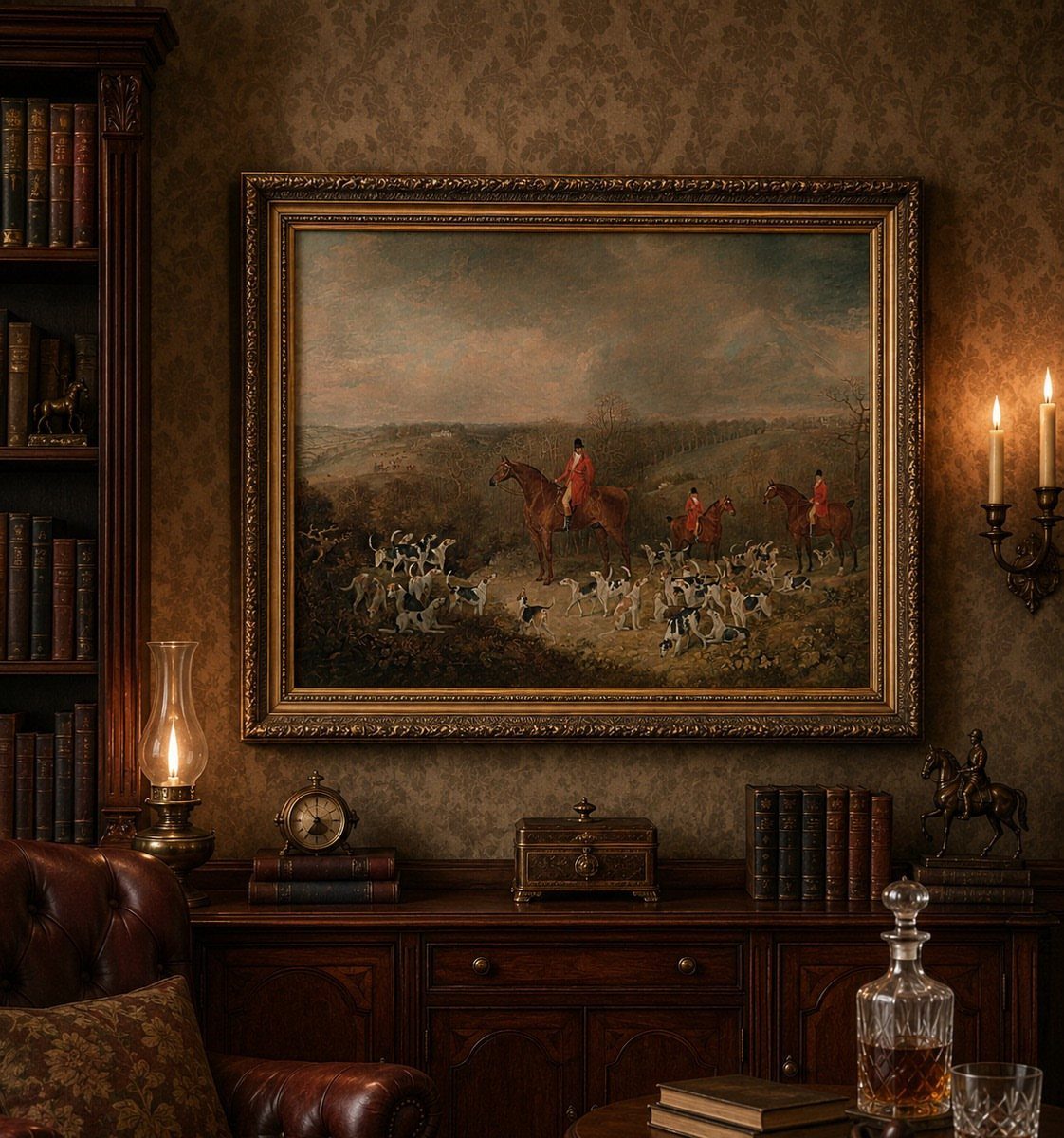
Heavy gilded frames around oil paintings, botanical prints, or hunting scenes fill wall space with history. The frames matter as much as the art, ornate molding in gold or dark wood pulls attention and suits the formality of the room.
Thrift stores and estate sales turn up framed art for less than new prints in similar frames.
Grouping smaller pieces in a grid or salon hang works when a single large painting is out of budget. Frames in mixed finishes, gold and wood together, look collected rather than matched.
7. Layered Persian Rugs
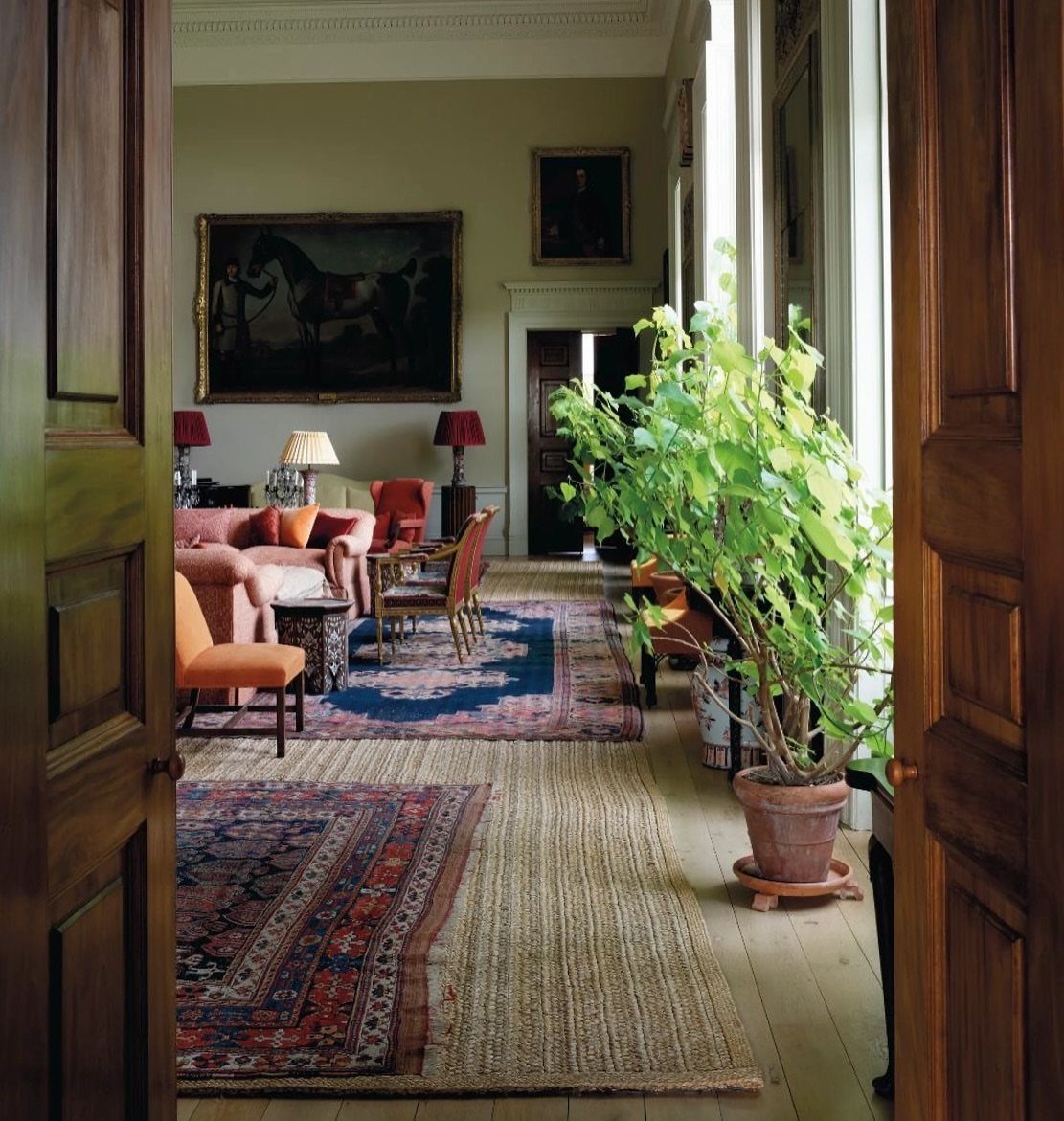
A Persian rug layered over jute or sisal brings pattern to the floor without covering it completely. The smaller rug sits at an angle or centered under the coffee table, and the jute shows at the edges.
Pattern in jewel tones, deep red, navy, or gold, adds color low in the room where dark furniture and walls absorb it.
Vintage Persian rugs cost more but wear well. Machine-made reproductions in similar patterns look fine once they settle under furniture.
8. Antique Globes and Maps
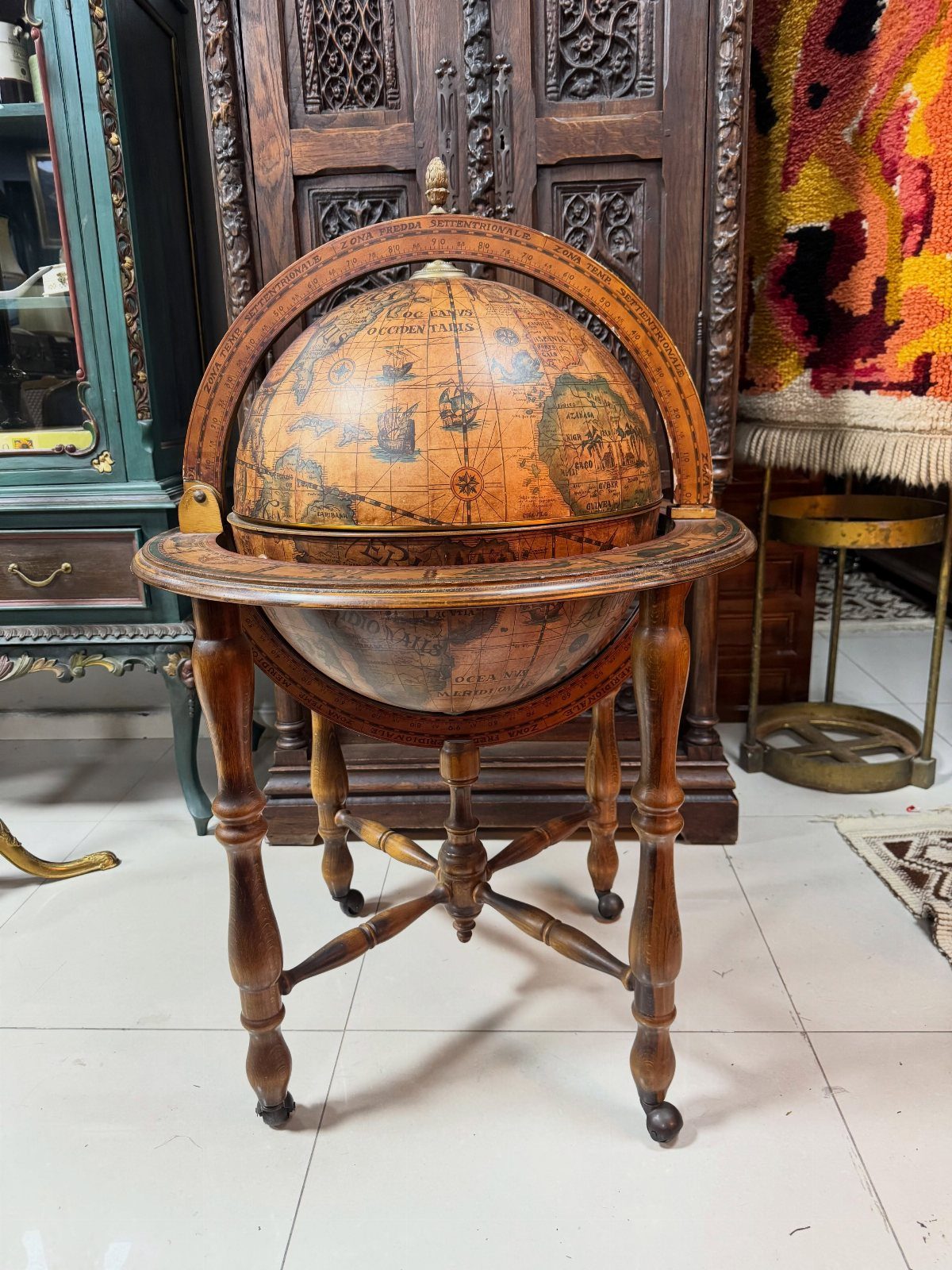
A globe on a wooden stand fits on a side table, bookshelf, or corner of a desk. The aged look of the map and the turned wood base suit the room better than a modern acrylic sphere.
Antique globes with outdated borders and country names cost more and come with wear.
Reproduction globes in brass or wood finishes give the same look and hold up to handling. Pair one with framed maps or a telescope if the shelf has room.
9. Drape a Plaid or Tartan Throw
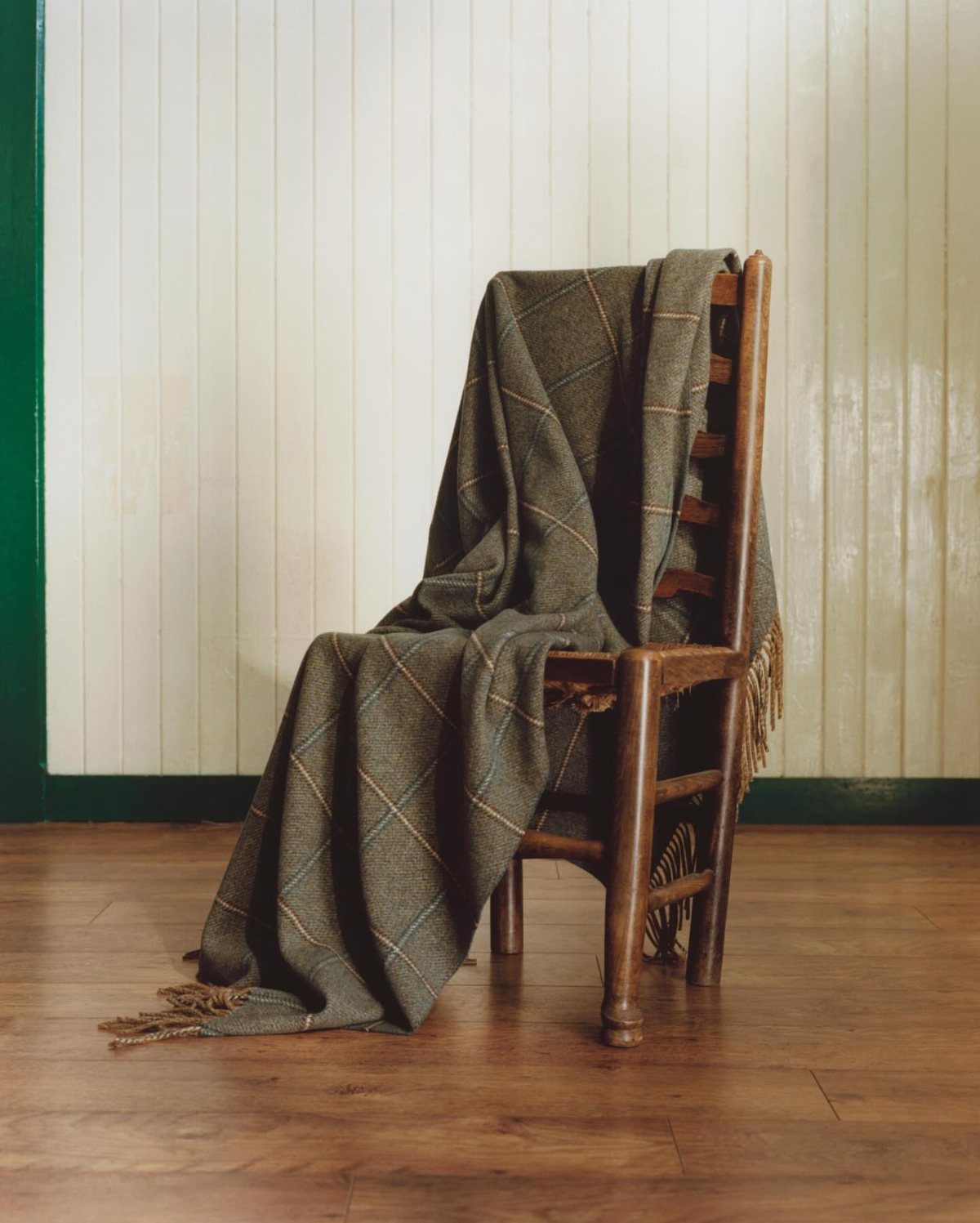
A plaid or tartan throw draped over the arm of a sofa or the back of a chair softens the formality and signals the room is used.
Wool or wool-blend fabric in brown, burgundy, gray, or green holds its shape better than cotton and weighs enough to stay put.
Folding it lengthwise before draping keeps the pattern visible. A throw in a lighter plaid adds contrast against dark upholstery without breaking the palette.
10. Leather-Bound Books
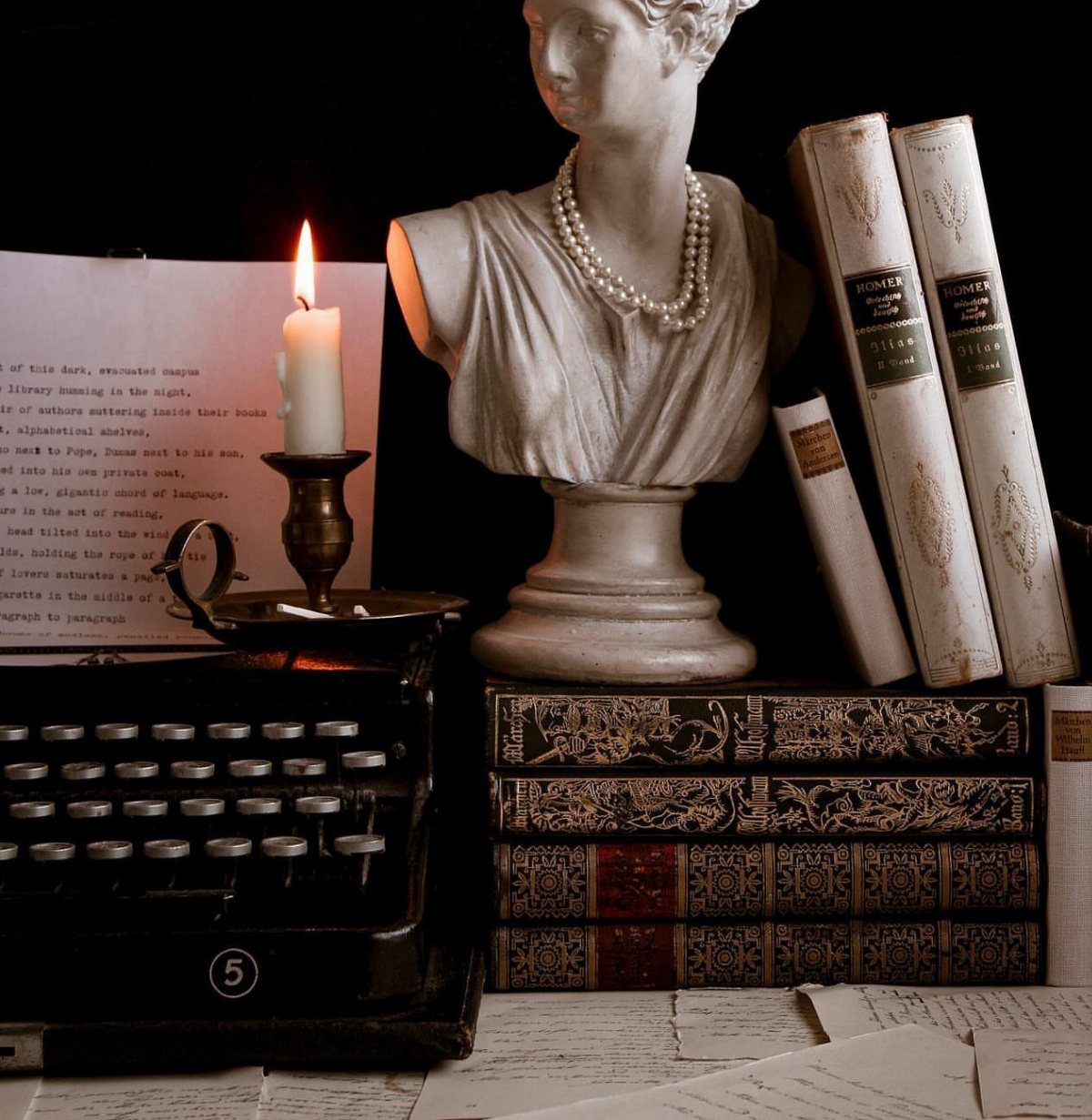
Leather-bound books with embossed spines fill shelves or stack on a coffee table. The worn covers and gilded edges look collected, and the height of a stack breaks up the line of a shelf.
Used leather-bound classics turn up at estate sales or online.
Decorative sets sold by the foot run more but arrive matched in size and color. Mixing in a few modern books with dark covers keeps the shelves from looking staged.
11. Scholarly Writing Desk Nook
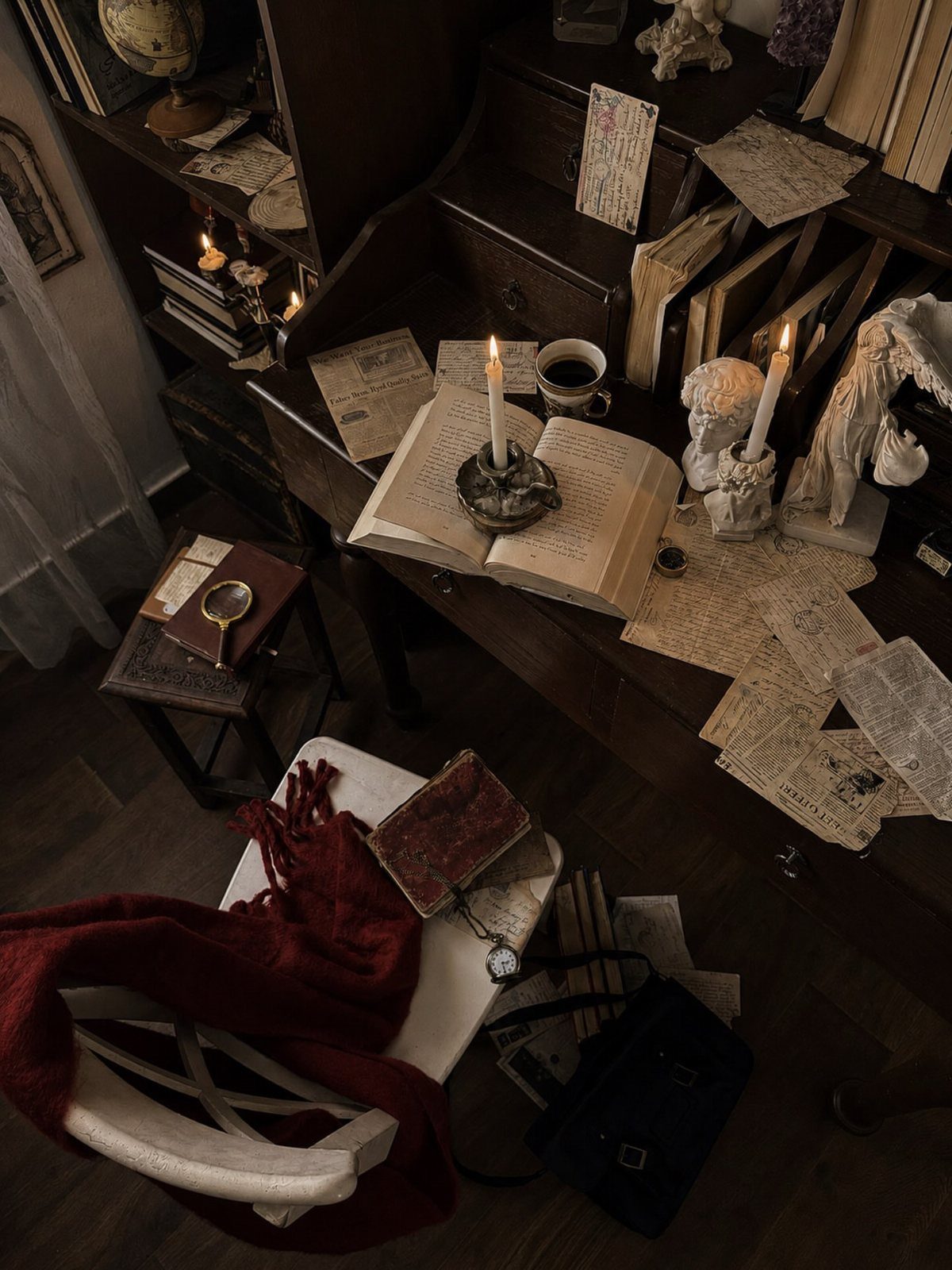
A small desk in dark wood tucked into a corner or against a wall gives the room a scholarly anchor. An open book, a few loose papers, and a lamp on the surface make it look used rather than decorative.
A vintage desk with drawers costs more but adds storage.
A simple writing table or secretary desk works if space is tight. An upholstered chair or a wooden chair with a cushion makes the nook functional, and a throw or blanket on the chair softens the setup.
Creating a Cozy Atmosphere
Texture keeps a dark room from feeling flat. Velvet cushions, a wool throw, linen curtains, and a jute rug under a Persian layer add surfaces that catch light differently and soften hard edges.
A lamp on the table or standing in the corner throws light onto the page or the chair and leaves the rest of the room in shadow.
Natural light helps during the day. A chair near a window with a small table and a lamp for evening reading turns the spot into a place you use, not just a setup.
The mix of daylight and warm bulbs at night keeps the room from feeling one-note.
Personalizing Your Space
Decor goes in after the furniture and palette carry the room.
Art in frames, stacked books, a ceramic bowl, a piece of colored glass, something metal, dried stems, a potted fern: all of these fit, and none of them needs to carry a label.
When a shelf or a tabletop feels crowded, take away half and see what’s left.
Dark walls make clutter visible because each item shows up as a shape against the background or catches the light. A single well-chosen decorative object gives the pieces beside it more weight.
A living plant brings motion into a space otherwise made of wood and fabric, but choose one that will survive the amount of sun that actually comes through the window.
The plant has to survive there after the styling is done.
Mixing Styles
Dark academia pulls from libraries, campuses, books, and scholarly ritual, so it fits rooms beyond a home office. Living rooms, bedrooms, and kitchens can all carry the look without turning into replicas of old universities.
The style shares traits with gothic design, dark palettes, aged materials, historic references, but the two are not the same.
Blending dark academia with contemporary or traditional pieces works when the palette and materials hold steady. A modern sofa in charcoal or a traditional side table in dark wood fits as long as the tone stays consistent across the room.
Frequently Asked Questions
What defines dark academia living room design?
Dark academia combines moody wall colors, vintage furniture in dark wood or leather, and scholarly decor like bookcases, framed art, and layered rugs.
The look pulls from old libraries and campus spaces, favoring dim layered lighting and texture over bright open arrangements. It adapts to most room sizes and works with contemporary or traditional pieces as long as the palette stays consistent.
Can I mix dark academia style with other design styles?
A sleek charcoal sectional or classic wooden end table works fine if the rest of the room holds to the same mood.
Dark academia shares traits with gothic design but focuses more on libraries, books, and scholarly ritual. The palette and materials hold the blend together, so keep dark stained wood, warm lighting, and moody colors steady even when shapes vary.






