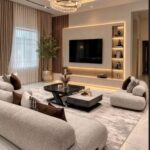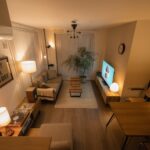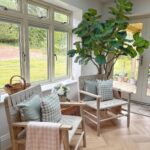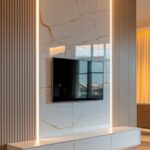
A coffee table with hidden storage holds remotes and magazines, a sectional gives you more seats than a sofa and loveseat would, and a floating console leaves the floor visible underneath.
1. Coffee Tables with Storage
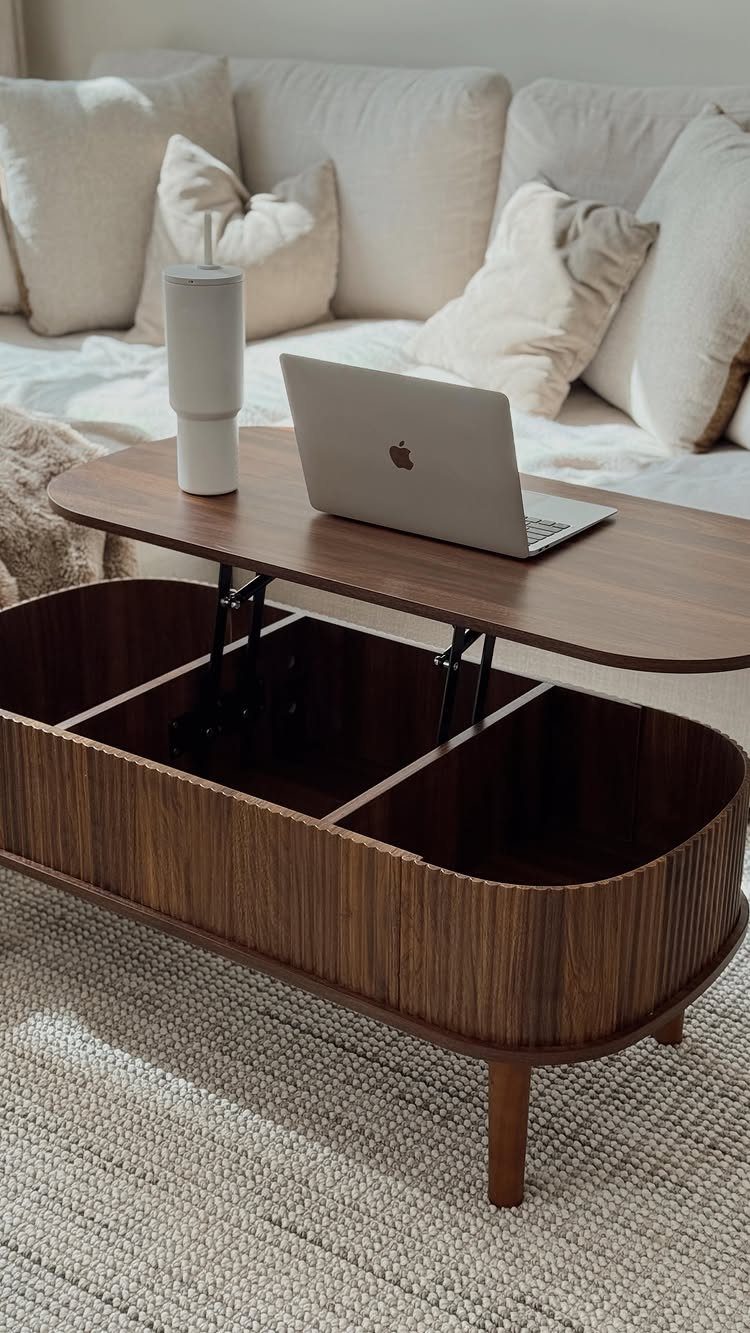
A coffee table with built-in storage holds remotes, magazines, and throw blankets so you can skip an extra basket or side cabinet. Lift-top styles let you work or eat from the couch while hiding clutter in the compartment below.
Look for tables with drawers, shelves, or a hinged top. Wood finishes keep the look warm, and a light stain or white paint helps the walls feel farther apart.
2. Whites, Creams
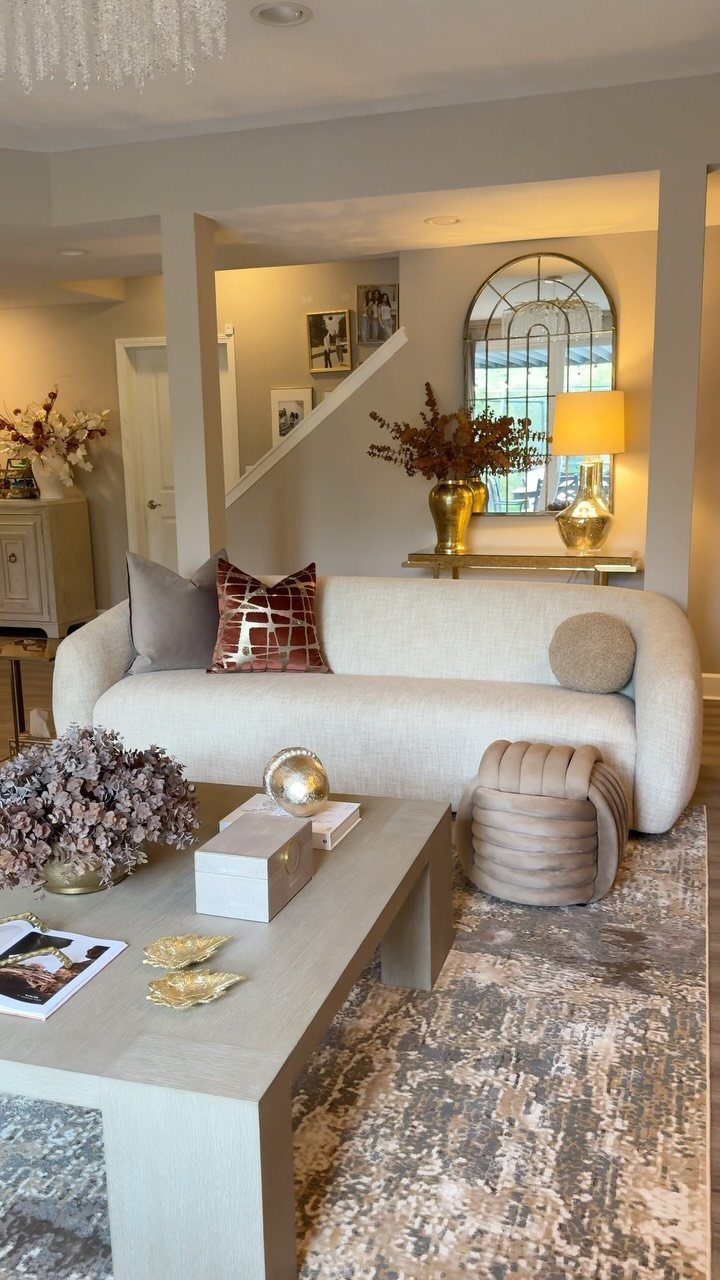
Sticking to whites and creams makes the walls feel farther back and keeps the atmosphere calm.
Light tones reflect more natural light, and a monochromatic palette removes visual clutter, so the space reads as one uninterrupted area instead of chopped-up zones.
Start with a neutral sofa, then layer in a cream or ivory rug.
Add warmth with light wood furniture and a few soft textures in similar tones. Small pops of gold or brass keep the room from feeling flat without breaking up the flow.
3. Mirrors Across from Windows
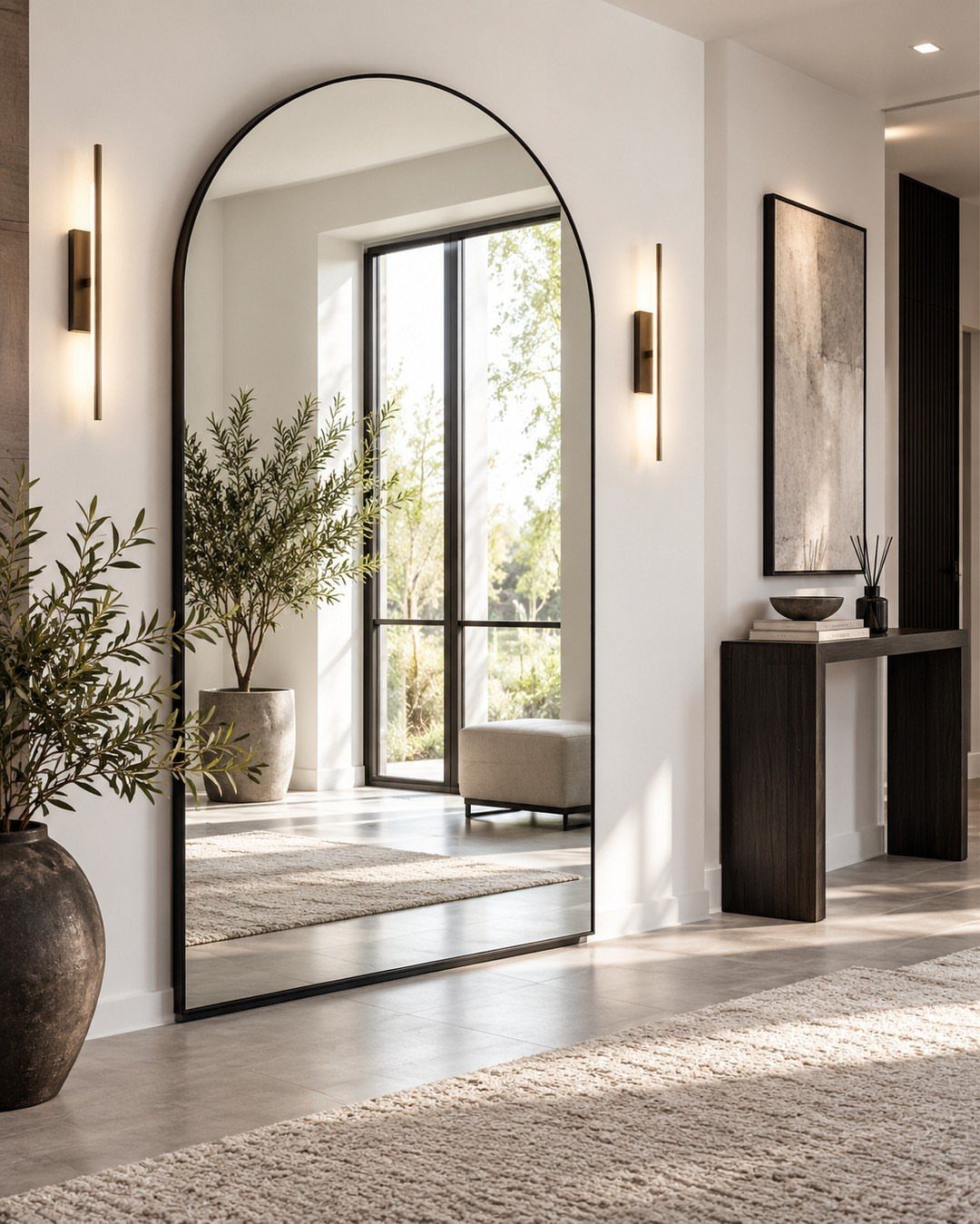
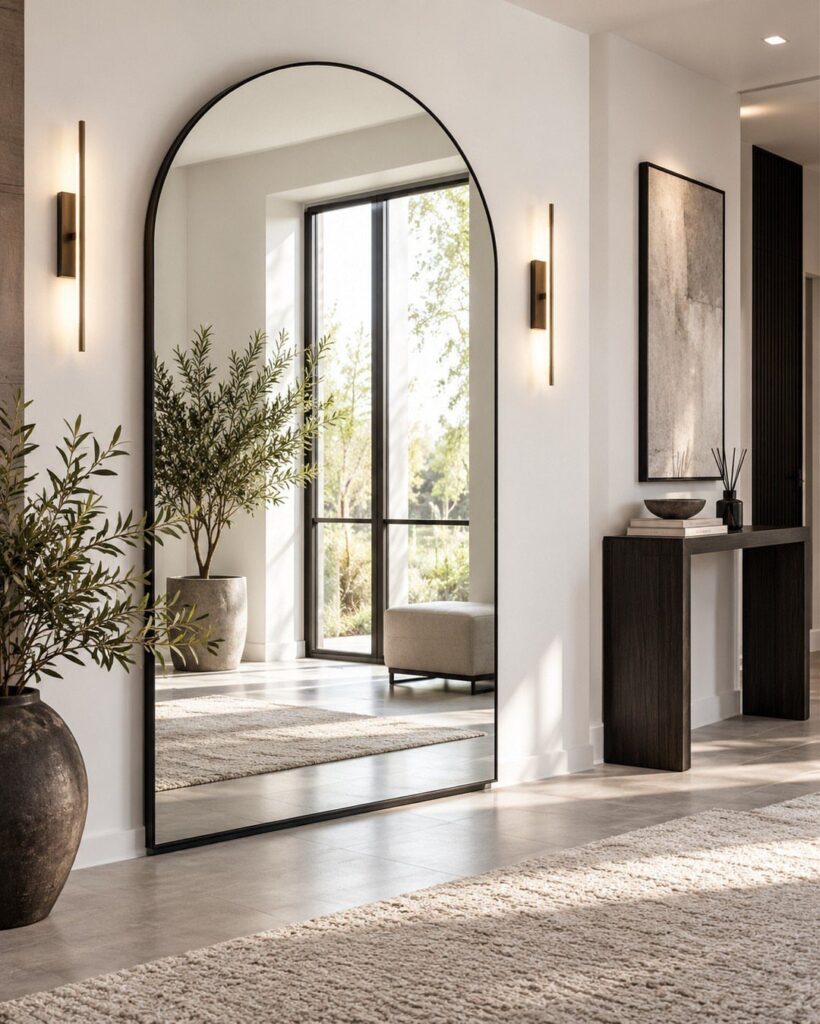
Placing a mirror directly across from a window doubles the natural light and gives the illusion the room stretches twice as far. The reflection pulls the outdoors in, so even a narrow room reads as open and airy.
A floor mirror works well in tight corners where a console or extra chair would crowd the layout.
Arched or rectangular frames both do the job; pick whichever shape balances the window’s proportions. Lean the mirror or mount it if you have small children or pets.
4. Use Height and Vertical Space
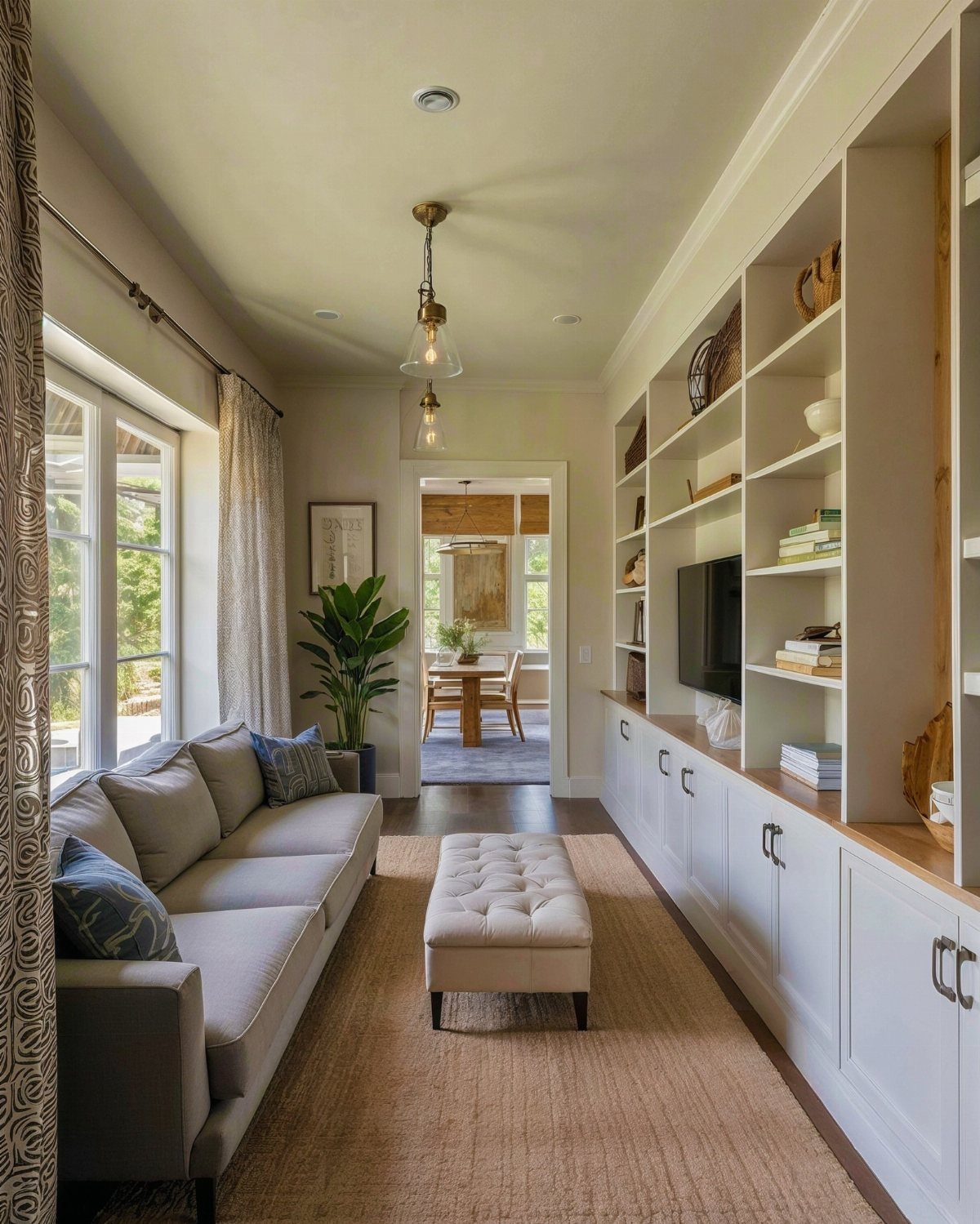
When floor space is tight, shelving that climbs the wall gives you storage and display area without eating into the room.
Built-ins, tall bookcases, and wall-mounted shelves draw the eye up, which tricks the room into feeling taller and more spacious.
Floor-to-ceiling units work especially well on narrow walls.
Keep the lower shelves for baskets and bins, and style the upper tiers with books, plants, or framed photos. Painting the unit the same color as the wall makes it feel like part of the architecture instead of furniture.
5. Linen, Wool, and Wood Textures
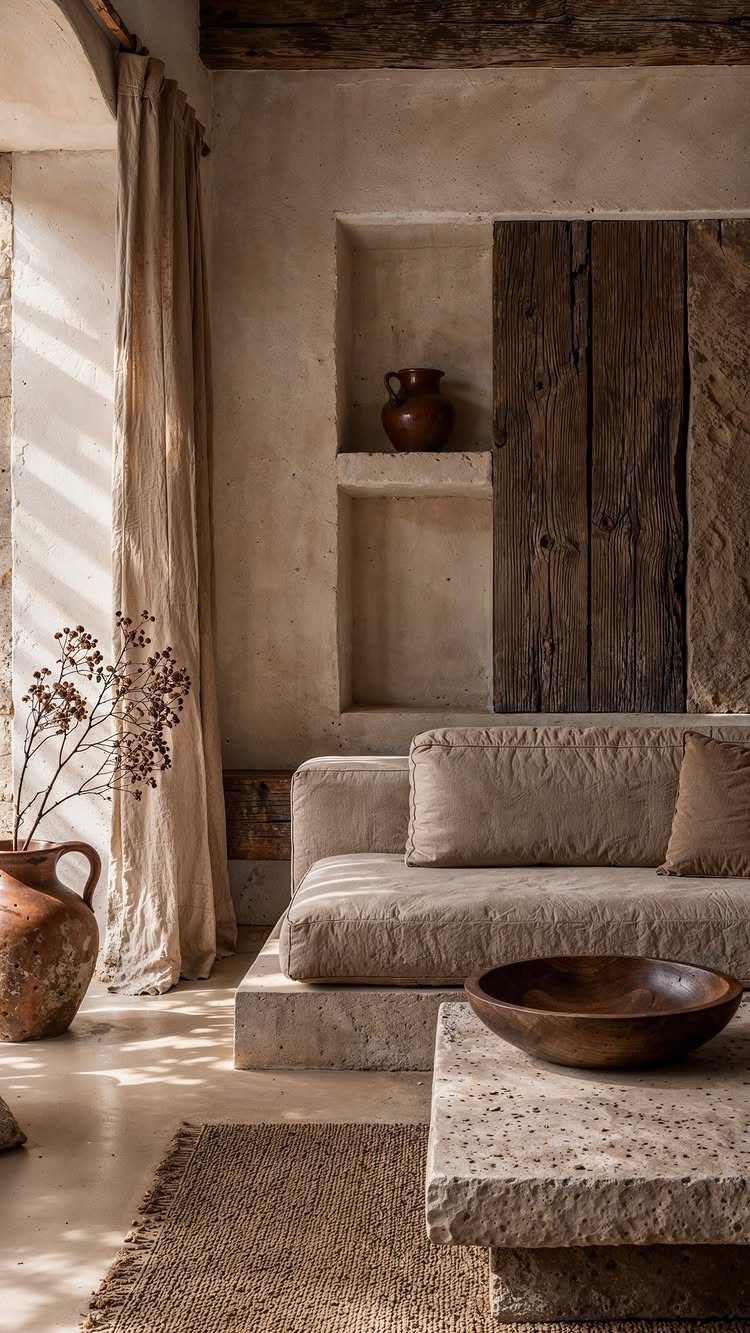
Layering natural textures adds richness without crowding the furniture with decorative objects. Linen upholstery, wool throws, jute rugs, and wood furniture bring in warmth and depth through material alone, so the room feels full without feeling busy.
Choose a few textures and repeat them in the pillows, the rug, and the furniture.
A linen sofa pairs well with a chunky wool pillow, a woven rug, and a raw-edge wood coffee table. Neutral tones in tan, cream, and soft brown keep the look cohesive and let the textures do the work.
6. Sectionals to Maximize Seating
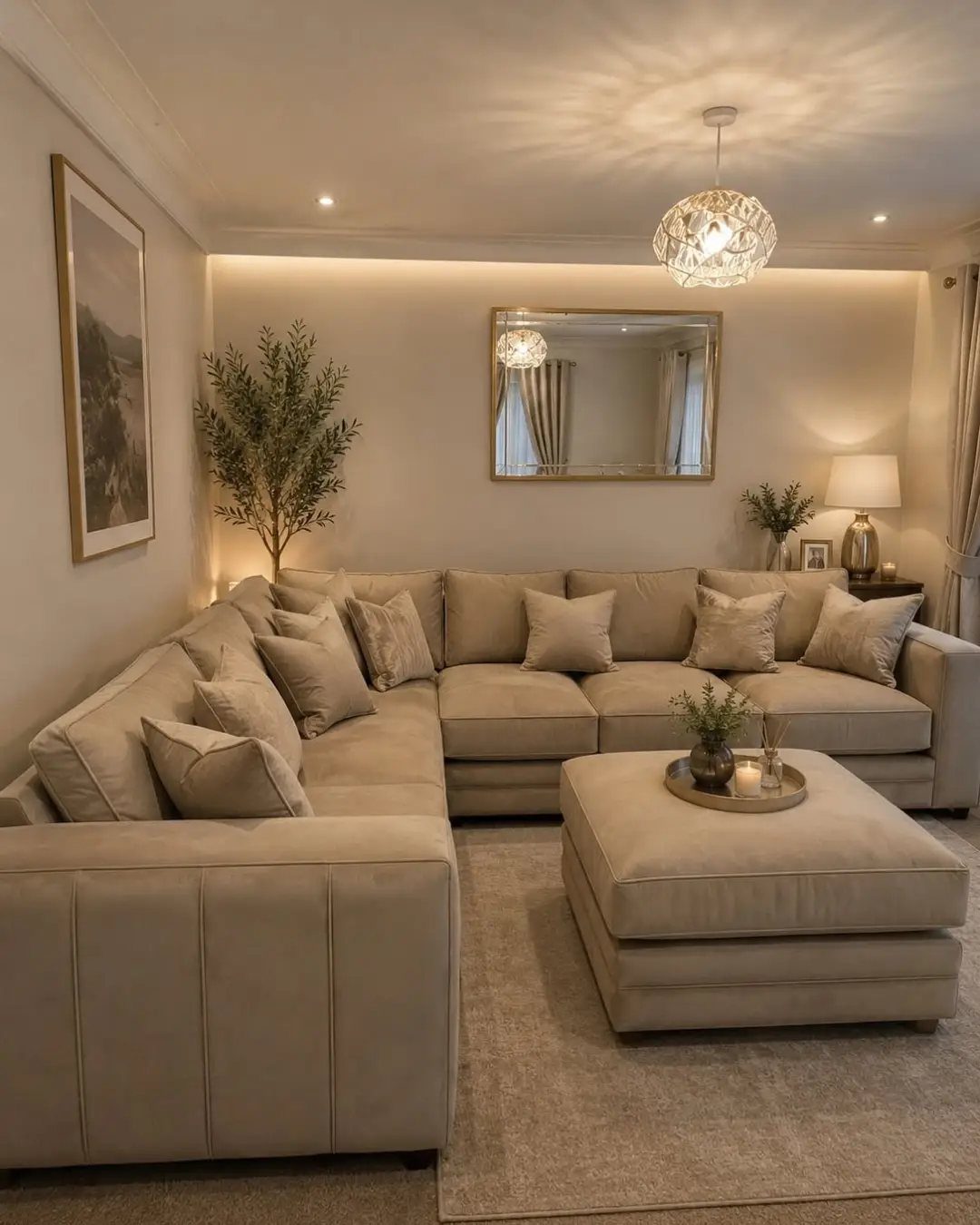
A sectional sofa wraps around a corner and seats more people than a traditional sofa and loveseat setup, all while taking up less floor space.
The L-shape defines the seating area and leaves the center of the room open for a coffee table or ottoman.
A low-profile design keeps sightlines clear, and neutral upholstery in beige, gray, or cream blends with the walls and the rug.
Add an ottoman instead of a bulky coffee table if you need extra seating or a place to prop your feet.
7. Oversized Art
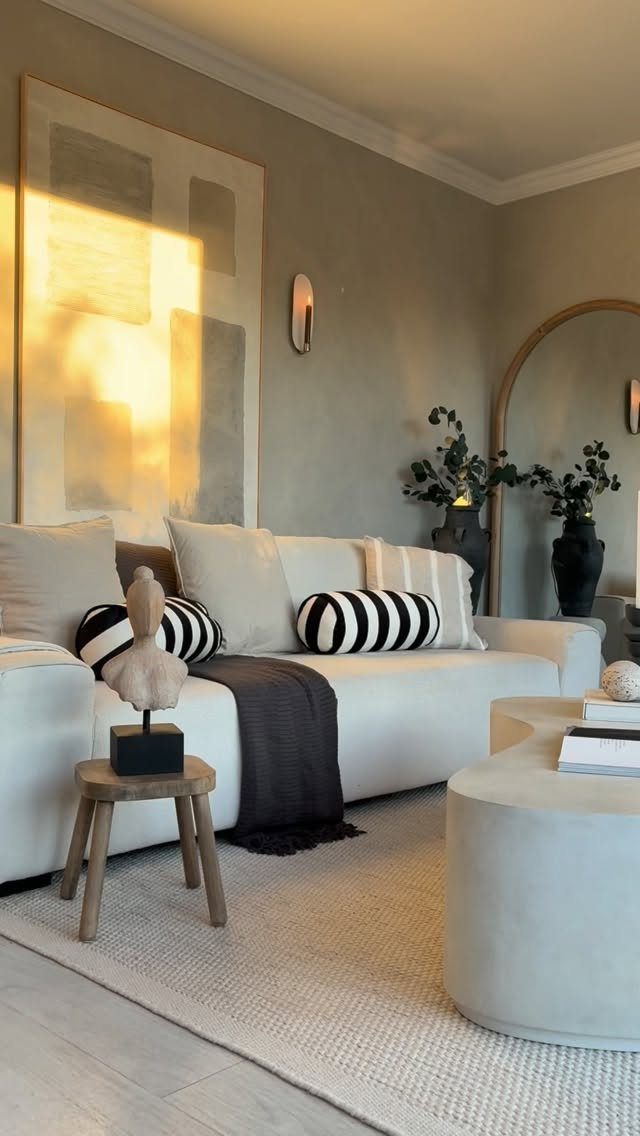
A single large piece of art gives the eye one place to land instead of scattering it across several small frames. This makes the wall feel taller and the room more intentional, even when furniture stays minimal.
Choose a piece wide enough to hold attention above your sofa.
Abstract or simple compositions in neutral tones keep the space calm, while bolder colors add personality without crowding the layout. Lean it against the wall if hanging feels permanent.
8. Floating Media Consoles
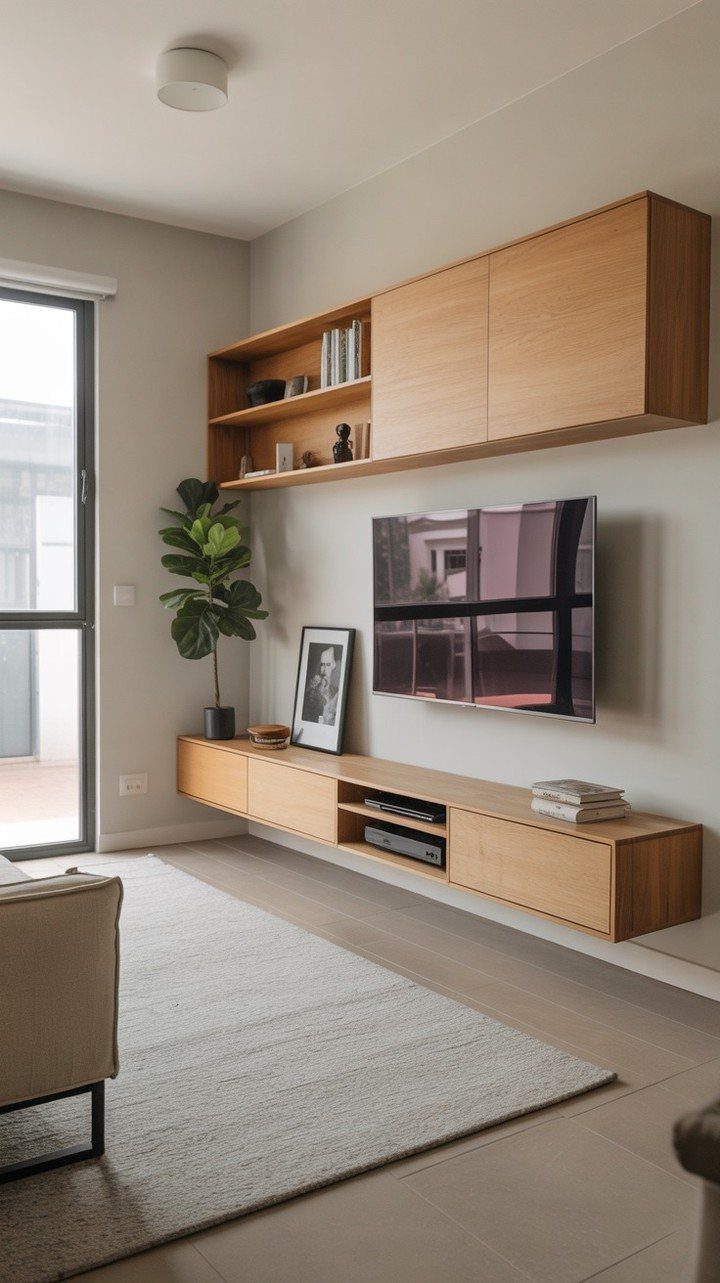
Mounting the console directly to the wall clears the floor underneath, which makes the room look bigger and gives you space to tuck baskets or shoes out of sight.
The TV sits at eye level without taking up furniture real estate.
Choose a console with closed cabinets if you need to hide cords and remotes.
Wood finishes in walnut or oak add warmth, and a matte white keeps the focus on the screen. Check the weight rating on your brackets against the combined weight of your TV and components before you mount.
9. Pull-out Sofa Beds
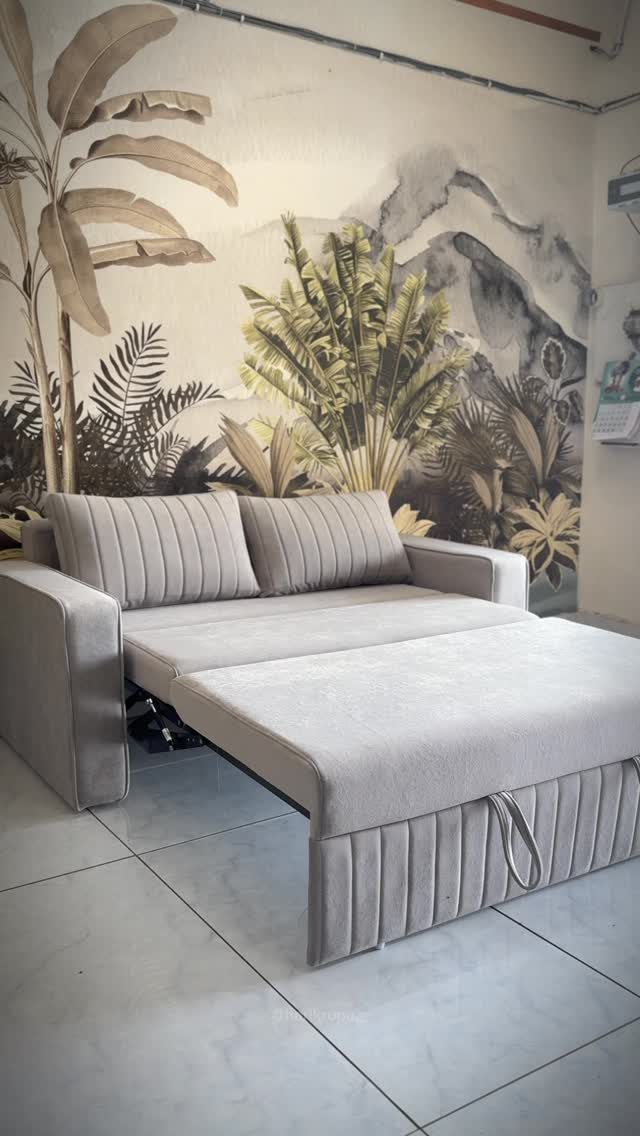
A pull-out sofa bed doubles as guest sleeping without permanently giving up floor space to a mattress or daybed.
During the day it functions as regular seating, and at night the hidden section slides or folds out into a full sleeping surface.
Look for a model with a sturdy frame and a mattress at least 4 inches thick.
Fabric upholstery in gray or beige hides wear better than leather in a high-use piece. Test the mechanism in the store to make sure it pulls smoothly and locks in place.
10. Corner Shelving Units
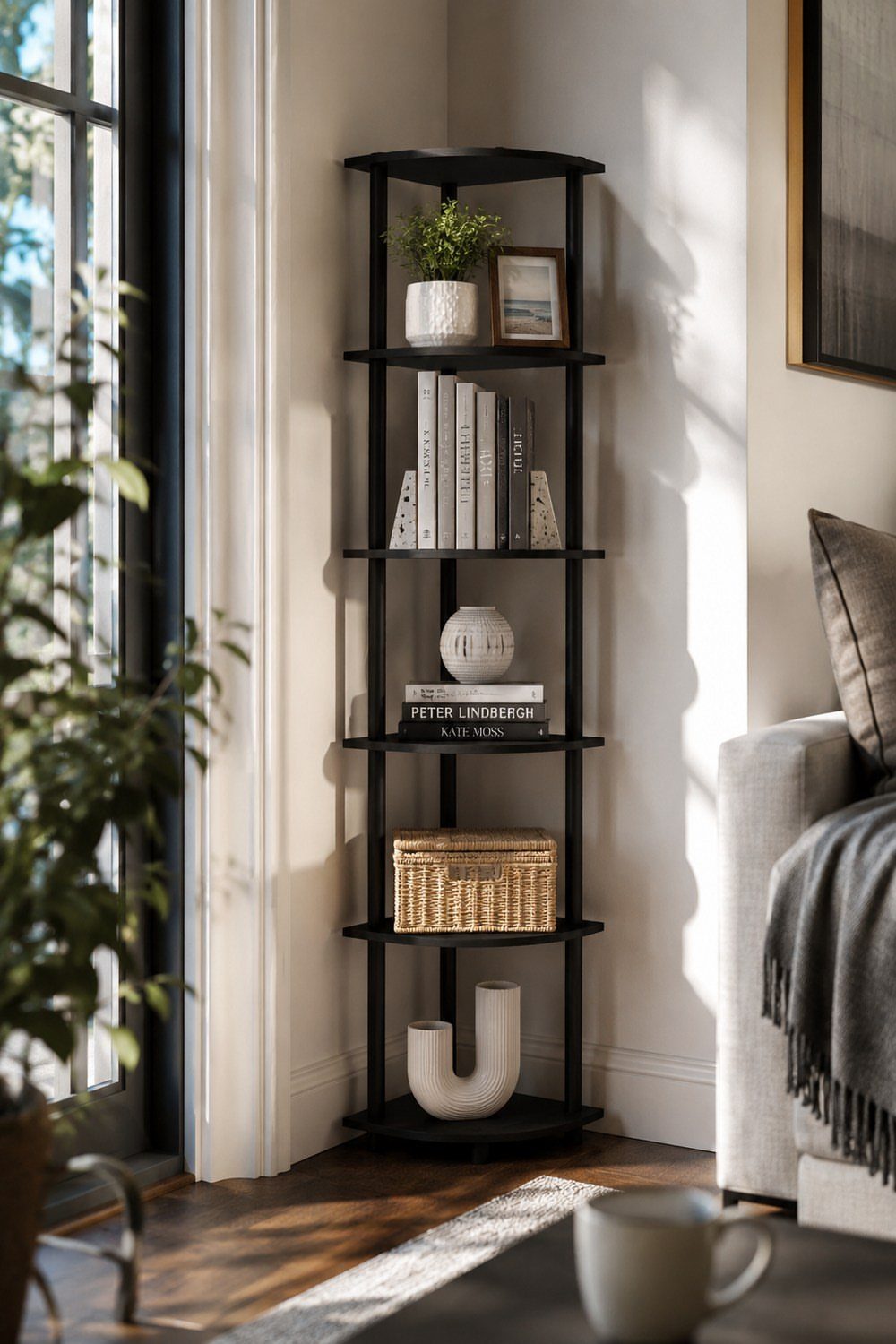
Corner shelves turn a dead angle into display and storage without blocking walkways or pushing furniture toward the center. The vertical tiers hold plants, books, and bins while keeping the middle of the room open.
Metal frames in black or white stay light, and wood adds warmth if the rest of the furniture leans neutral.
5 tiers give you enough height to balance a tall window or a blank wall without drilling multiple holes for separate shelves.
Importance of Lighting
Layered lighting with overhead fixtures, floor lamps, and table lamps adds dimension and warmth without crowding the layout.
A mix of sources draws the eye around the room and creates depth through shadow and highlight, so the space feels larger than a single overhead can manage.
Wall sconces free up floor space and fold flat when the room needs to open up.
Articulating models pivot to direct light where you’re working or reading, doing the job of multiple fixtures in one. A flush-mount ceiling fixture that includes a fan keeps the room functional without a bulky profile hanging low.
Place table lamps on side tables or shelves to fill in pools of light.
Keep heavier floor lamps off the walkways and near seating where you need task lighting. Layer your sources so you can dial each zone up or down as the light changes.
Furniture Arrangement Tips
Leave a clean line from the door to the sofa and from the seating out to the window. A rug defines the seating zone without adding walls or dividers.
Place the sofa near the window or wherever natural light lands strongest, since that’s where you’ll spend the most time lounging, working, or hosting.
Chairs and ottomans you use less often can sit toward the back. Avoid blocking windows with dark or heavy pieces; light needs room to move through the space.
Position some furniture along the walls to hold the perimeter open, then mix textures and materials in what you choose to add visual interest without filling every corner.
Designing a small space starts with choosing the right seating ideas and deciding how you want the room to function.
Choosing the Right Colors
A cohesive palette unifies the room so the eye doesn’t jump between competing zones.
Light colors open the space and reflect more natural light, making walls feel farther back. White and pale neutrals absorb less heat and keep the room cool in bright conditions.
Dark hues create depth and atmosphere by pulling the walls into the background instead of marking them as boundaries.
Deep tones blur the edges and let furniture, art, and accessories stand out. Running one color across walls, ceiling and trim keeps the eye moving instead of chopping the room into pieces.
If you go dark on the walls, bring in pale upholstery, brass or chrome accents, or a mirrored coffee table to keep light moving through the space.